Let me tell you something about the dopamine economy we’re all trapped in. You swipe, you scroll, you get a little hit. Then you feel empty. So you scroll again. It’s not a moral failing—it’s your brain being exploited by algorithms designed by people who read the same neuroscience textbooks I did. And here’s the kicker: the solution isn’t to quit dopamine cold turkey. It’s to become a ruthless curator of your own pleasure.
I’ve found that most people treat their dopamine like a junk drawer. They just throw whatever shiny thing comes along into their brain and wonder why they feel scattered. But what if you could design a menu—a Dopamine Menu—that actually serves you? Not some productivity guru’s fantasy, but a neuroscientist-approved system that rewires your reward circuitry on your own terms.
Let’s be honest: the word “dopamine” has been hijacked by wellness influencers who think it’s just about “feeling good.” No. Dopamine is the molecule of anticipation and motivation. It’s what gets you out of bed, what makes you crave that next hit of validation. And if you don’t design your menu, someone else will. So let’s build yours.

The Neuroscience of Why Your Current Menu Sucks
Here’s what most people miss: your brain doesn’t care if a reward is “productive” or “wasteful.” It only cares about the hit. A notification from Instagram activates the same neural pathways as a bite of dark chocolate or a compliment from a stranger. Your brain is an equal-opportunity junkie.
I’ve seen clients who think they’re “lazy” when really they’re just running on a menu of low-effort, high-frequency rewards. Scrolling. Snacking. Checking email for the tenth time. These are the appetizers of the dopamine world—they fill you up without nourishing you.
The problem? Dopamine downregulation. When you constantly hit the small, easy pleasure button, your brain raises its threshold. You need more stimulus to feel the same effect. That’s why a 10-minute scroll turns into an hour. It’s not weak will—it’s neurochemistry.
The fix isn’t to starve yourself. It’s to design a menu with tiers—appetizers, mains, and desserts—so you can choose the right reward for the right moment.
Designing Your Dopamine Menu: The 3 Tiers
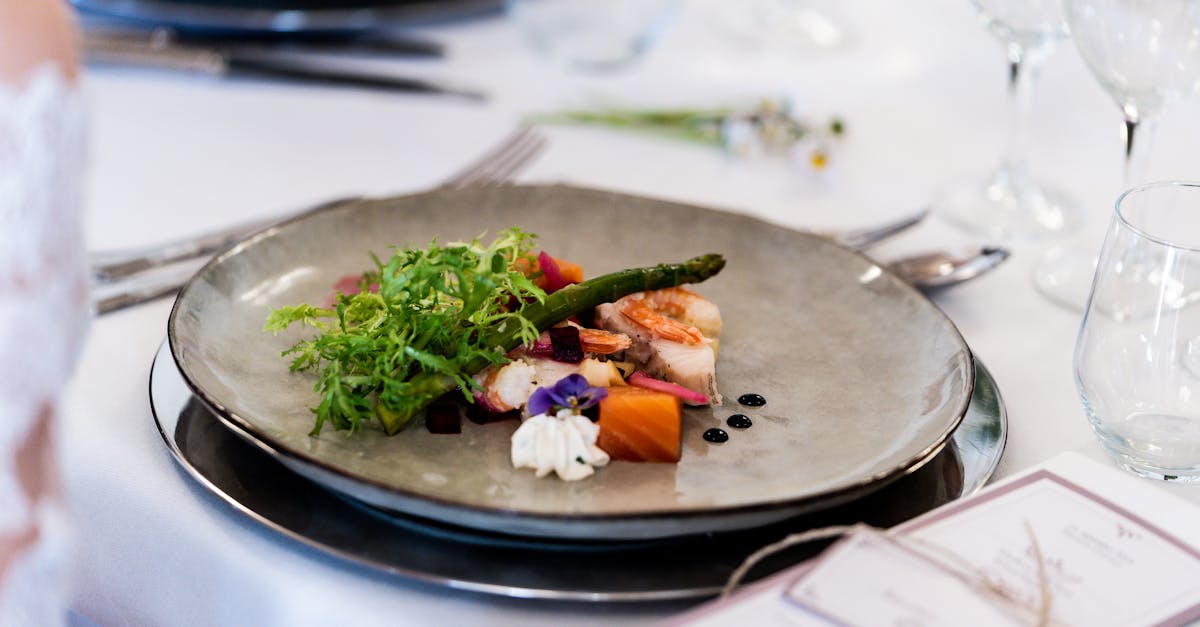
I want you to grab a notebook or open a notes app. We’re going to build this thing. The structure is simple: Appetizers (5-10 minutes), Mains (20-45 minutes), and Desserts (under 5 minutes, high intensity).
Appetizers: The Quick Fixes That Don’t Destroy You
These are for when you’re in a slump but need to reset without falling into a rabbit hole. Think of them as neural palate cleansers.- Listen to one song you haven’t heard in years (nostalgia releases dopamine)
- Do a 2-minute breathing exercise with a count of 4-7-8
- Write down one thing you’re looking forward to tomorrow
- Stretch for 3 minutes while focusing on a single sensation
Mains: The Deep Rewards That Actually Satisfy
This is where most people fail. They try to make their “main” activity something productive, but productivity isn’t a reward—it’s work. A main should be something that requires moderate effort but delivers genuine satisfaction.- Cook a meal from scratch (the process itself releases dopamine)
- Do a 20-minute creative project (painting, writing, building)
- Have a real conversation with someone (not a text—actual voice)
- Go for a walk without your phone
Desserts: The Guilty Pleasures You Can Actually Enjoy
Let’s be real: sometimes you just want the junk. The key is intentionality. A dessert becomes a problem when it’s the only thing on the menu.- Watch one short video (set a timer)
- Eat a small piece of dark chocolate (the real stuff, not sugar)
- Do a 30-second dance to a song you love
- Look at a funny meme for exactly 30 seconds

The Hidden Trap Most People Fall Into
Here’s the part that surprised me when I started testing this with people: they try to make their dopamine menu too “healthy.” They put “meditation” as an appetizer and “reading a textbook” as a main. And then they wonder why they never use the menu.
Your dopamine menu has to be genuinely rewarding. If you don’t actually want to do it, your brain will ignore it. That’s not a failure of will—it’s honesty about your neurochemistry.
I once had a client who put “organizing my desk” as a main. She never touched it. When we replaced it with “watching 20 minutes of a show I actually love,” suddenly the menu worked. The goal isn’t to be virtuous—it’s to redirect your dopamine system toward activities that leave you feeling better, not worse.
How to Actually Use Your Dopamine Menu (The System)
Most people build a menu and forget it exists. Here’s the system that actually works:
Step 1: The Cue When you feel the urge to reach for your phone or a snack, pause. Ask yourself: “What tier am I in right now?” If you’re bored, you probably need an appetizer. If you’re stressed, you might need a main. If you’re celebrating, go for a dessert.
Step 2: The Choice Pick from your menu. Don’t improvise. The menu exists so you don’t have to think. Your prefrontal cortex is lazy—it will default to the easiest option. The menu makes the better option the easiest.
Step 3: The Reward Actually savor the experience. Dopamine is about anticipation, but satisfaction is about attention. If you’re scrolling while eating chocolate, you’re not getting either reward. Be present.
Step 4: The Reset After the reward, do a 30-second check-in. How do you feel? This builds the feedback loop. Your brain learns that this menu item actually delivers, so it becomes more likely to choose it next time.
The One Rule That Changes Everything
Here’s the rule I live by: Never let your dopamine menu become a to-do list. The moment you feel obligated to do something on your menu, it stops being a reward. It becomes work. And work doesn’t release dopamine—it depletes it.
Your dopamine menu is a tool for intentional pleasure. It’s not about being productive. It’s about being present. When you curate your rewards deliberately, you stop being a passive consumer of whatever the algorithm throws at you. You become the chef of your own experience.
And that, my friend, is the real life hack.