
I remember staring into my closet that morning, the clock screaming 7:42 AM, and I had nothing to wear. Nothing. The hangers were packed — dresses I bought on sale but never wore, jeans from three sizes ago, a sequined top that screamed "I make questionable decisions." I was drowning in clothes, yet stranded outfit-less. That’s when I realized: I wasn’t curating a wardrobe; I was hoarding anxiety.
So I did something drastic. I pulled everything out. Tossed it on my bed like a fabric crime scene. And I started over. What followed wasn’t just a cleaner closet — it was a quieter mind, a fatter wallet, and about 20 extra minutes every morning. Here’s the truth about building a capsule wardrobe that actually works for real life, not just Pinterest boards.

The 3-Item Test That Changed Everything
Let’s be honest: most “capsule wardrobe” advice is written by people who own three white t-shirts and call it a personality. That’s not you, and it’s not me either. I love color. I love texture. I love that one weird thrift find that makes people say, “Where did you get that?”
So here’s what most people miss: a capsule wardrobe isn’t about having less. It’s about having the right more. You don’t need to live like a monk. You need a system that filters out the noise.
I use what I call the 3-Item Test. For every piece in your closet, ask:
- Does it fit me right now? (Not “when I lose 5 pounds.” Right now.)
- Does it make me feel like a better version of myself?
- Can I wear it with at least three other items in my closet?
I’ve found that the third question is the secret weapon. That sequined top? Looks great with jeans, but also with that black skirt, and layered under a blazer for dinner. That’s a keeper. But those neon leggings from 2018? They only work with one specific top and make me feel like a glow stick. Bye.
The Shocking Math of a 30-Piece Wardrobe
Here’s where it gets wild. A standard capsule wardrobe is 30-40 items including shoes, outerwear, and accessories. Not counting underwear, gym clothes, or pajamas — those are utility players.
Do the math with me. If you have 30 items, and each piece can be styled with at least 4 others, you’ve got hundreds of unique outfits. Not “technically different” outfits. Real, wearable, “I-actually-want-to-wear-this” outfits.
But here’s the kicker: most people have 120+ items and wear the same 15. That’s not a wardrobe. That’s a storage unit with rent.
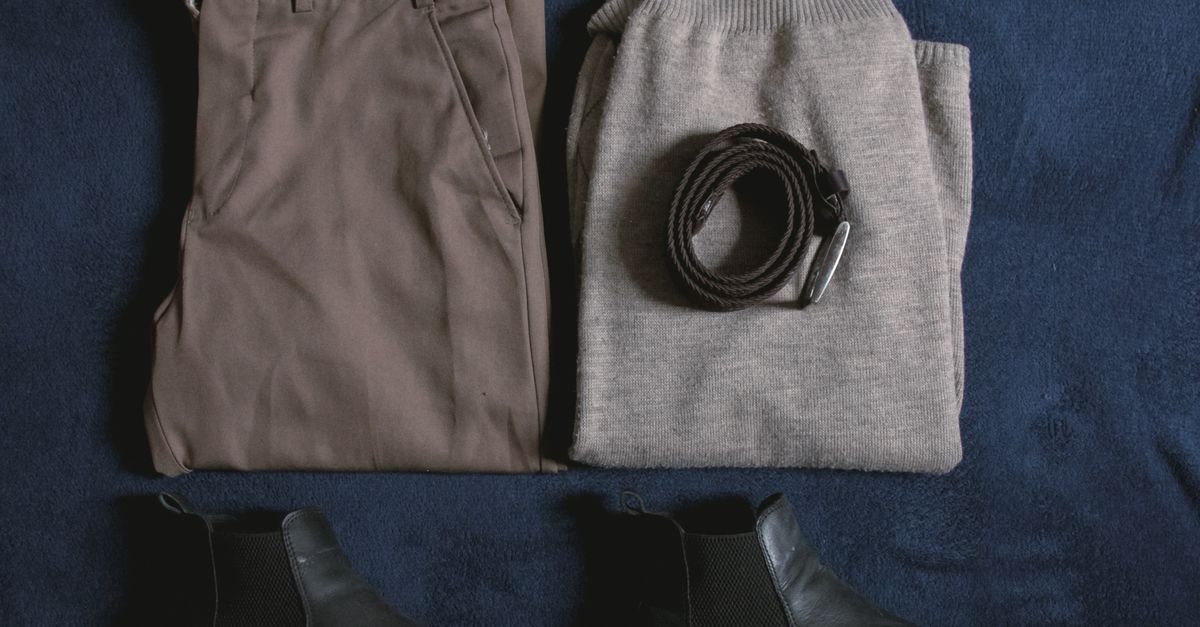
When I cut down to 35 pieces, something surprising happened. I stopped shopping for “outfits” and started shopping for systems. A great pair of black trousers isn’t just pants — it’s a foundation for 12 different looks. A cashmere sweater isn’t just warm — it’s the anchor for three seasons.
The real savings? Time. I went from 20-minute morning panic sessions to 3-minute confident grabs. No more “I have nothing to wear” while standing in a room full of clothes. That’s not a closet problem. That’s a decision-fatigue problem, and a capsule wardrobe is the only cure.
The 4-Season Rule That Saves Your Sanity
You know what nobody tells you about capsule wardrobes? Seasonal rotation is non-negotiable. You cannot have a single 35-piece wardrobe that works for a blizzard and a heatwave. That’s delusional.
I keep two capsules: Warm Weather (April–September) and Cool Weather (October–March). Each has about 35 items. When the season shifts, I swap them. The off-season stuff goes into under-bed storage bins. Out of sight, out of mind, out of your way.
This trick does three things:
- Prevents boredom. When you pull out your fall capsule, it feels like shopping — but free.
- Extends garment life. Rotating means less wear-and-tear on your favorites.
- Clarifies your style. You stop impulse-buying “for later” because later is already packed away.

The Investment Trap (And How to Escape It)
Here’s a controversial opinion: you don’t need to spend a fortune on a capsule wardrobe. I see so many blogs pushing $300 t-shirts and $800 boots. That’s not accessible. That’s elitist.
Your capsule should fit your budget, your body, and your actual life. If you work from home in sweatpants, your capsule should have really good sweatpants. If you’re a teacher on your feet all day, prioritize comfort and durability over trendiness.
The real investment isn’t money — it’s intention. Before buying anything new, I ask:
- “Will this still feel right in 18 months?”
- “Can I picture it with at least five things I already own?”
- “Is this filling a hole in my wardrobe, or a hole in my day?”
The Hidden Cost of “Just in Case” Clothes
Let’s talk about the elephant in the closet: the “just in case” items. The dress for a wedding you might attend. The blazer for an interview you’re not sure about. The jeans that are “almost” your size.
These pieces are emotional vampires. They drain your mental energy every time you see them. They remind you of things you haven’t done, versions of yourself you haven’t become.
Here’s the hard truth: If you haven’t worn it in the last 12 months, you’re not going to wear it. Period. Exceptions exist for formal wear and extreme weather gear, but be honest with yourself. That bridesmaid dress from 2016? Let it go. You can rent one if needed.
When I finally donated my “just in case” pile — a full trash bag — I felt lighter instantly. Letting go of clothes is letting go of guilt. And guilt has no place in your closet.
How to Start Without Losing Your Mind
Ready to try? Here’s my no-drama, 2-hour method:
Step 1: The Empty Floor. Pull everything out of your closet. Every hanger, every drawer, every forgotten scarf. You need to see the full picture.
Step 2: The Three Piles.
- Keep: Items that pass the 3-Item Test.
- Maybe: Items you’re unsure about. Put them in a box, seal it, and date it 3 months from now. If you don’t open it, donate it.
- Go: Items that fail. Donate, sell, or trash immediately.
Step 4: The Outfit Audit. For every kept item, mentally pair it with three others. If you can’t, reconsider.
Step 5: The Shopping Ban. No new clothes for 30 days. Use this time to discover what you actually need versus what you just wanted.
I promise you: after 30 days, you’ll wonder why you ever owned 100+ pieces. Your mornings will be faster. Your bank account will be happier. And your stress? Gone.
Here’s what I want you to take away: A capsule wardrobe isn’t about deprivation. It’s about freedom. Freedom from decision fatigue. Freedom from “I have nothing to wear.” Freedom from the guilt of unworn clothes staring at you every morning.
Your wardrobe should serve you, not the other way around. So go ahead. Pull everything out. Be ruthless. Be honest. And see what happens when you stop managing clutter and start curating confidence.
Because the best outfit you’ll ever wear? It’s the one you don’t have to think about.





