Let’s get one thing straight: science and faith aren’t enemies. That’s the lazy narrative we’ve been fed for decades—the lab coat versus the pulpit, reason versus revelation. But here in the Ho Volta Region, something is happening that shatters that tired dichotomy. I’ve spent the last few weeks talking to pastors, farmers, healthcare workers, and young entrepreneurs. And what I found? Faith communities are quietly becoming the most effective science communicators in rural Ghana. Not through dogma, but through action. And Christ Embassy Ho is leading that charge in ways that would make any research institution jealous.
You think I’m exaggerating? Let me show you the receipts.
The Hidden Lab: How Christ Embassy Ho Became a Public Health Powerhouse
When most people picture a church, they think of Sunday services, choirs, and offering plates. But walk into Christ Embassy Ho on a Tuesday morning, and you’ll find something entirely different: a makeshift community health screening center. Blood pressure cuffs, glucometers, malaria rapid test kits, and a queue of elderly women who’ve walked three kilometers to get there. I sat down with Pastor Michael, the resident minister, who told me something that stopped me cold: “We realized that people trust us more than they trust the hospital. Not because we’re doctors, but because we’re their people.”
Here’s what most people miss: In rural Volta, the nearest government health facility can be 20 kilometers away. That’s a two-hour walk for a grandmother with hypertension. The church, however, is in every village. Christ Embassy Ho has turned this proximity into a public health weapon. They run monthly “Health for All” outreaches that screen for hypertension, diabetes, and malaria—the three silent killers in this region. And here’s the kicker: they don’t just pray over the results. They partner with the Ho Teaching Hospital to ensure follow-up care. Last quarter alone, they identified 47 undiagnosed hypertensive patients. That’s 47 strokes potentially prevented.
But let’s be honest: the real genius isn’t the screenings. It’s the trust pipeline. When a government nurse tells a farmer to take his blood pressure medication, he might nod and ignore it. When his pastor says the same thing, backed by the same data, he listens. That’s the science-faith synergy nobody talks about.

The Soil, The Seed, and The Sermon: Agricultural Science Meets Spirituality
I’ll admit it—I was skeptical. When I first heard about Christ Embassy Ho’s “Farming for the Kingdom” initiative, I rolled my eyes. Another church trying to grow tomatoes while singing hymns? But then I visited the demonstration farm in Dzolo-Gbogame, a 30-minute drive from Ho, and my jaw dropped.
This isn’t prayer farming. This is agronomy with a sermon.
The church has partnered with the Ministry of Food and Agriculture (MoFA) to train farmers on climate-smart agriculture. We’re talking about drip irrigation systems, organic pest control using neem extracts, and soil testing—the kind of stuff that belongs in a university lecture hall, not a church compound. But here’s the twist: the training happens after the Sunday service. Farmers come for the Word, stay for the workshop, and leave with practical skills that increase their yields by 30-40% within one season.
I spoke to Afi, a 54-year-old cassava farmer who has attended every session for the last two years. She told me, “The pastor said God gave us brains to solve problems, not just hands to pray. Now my cassava doesn’t rot during the dry season. I use the money to pay my children’s school fees.” That’s not just faith—that’s applied science with a spiritual backbone.
What most people miss here is the behavioral psychology. Farmers in the Volta Region are deeply religious. When a scientific recommendation comes from a government extension officer, it’s often dismissed as “book knowledge” that doesn’t understand local realities. But when the same recommendation comes from a pastor who also farms? It’s gospel. Christ Embassy Ho has effectively rebranded agricultural science as spiritual wisdom. And it’s working.
The Youth Lab: Coding, Robotics, and the Gospel of Tech
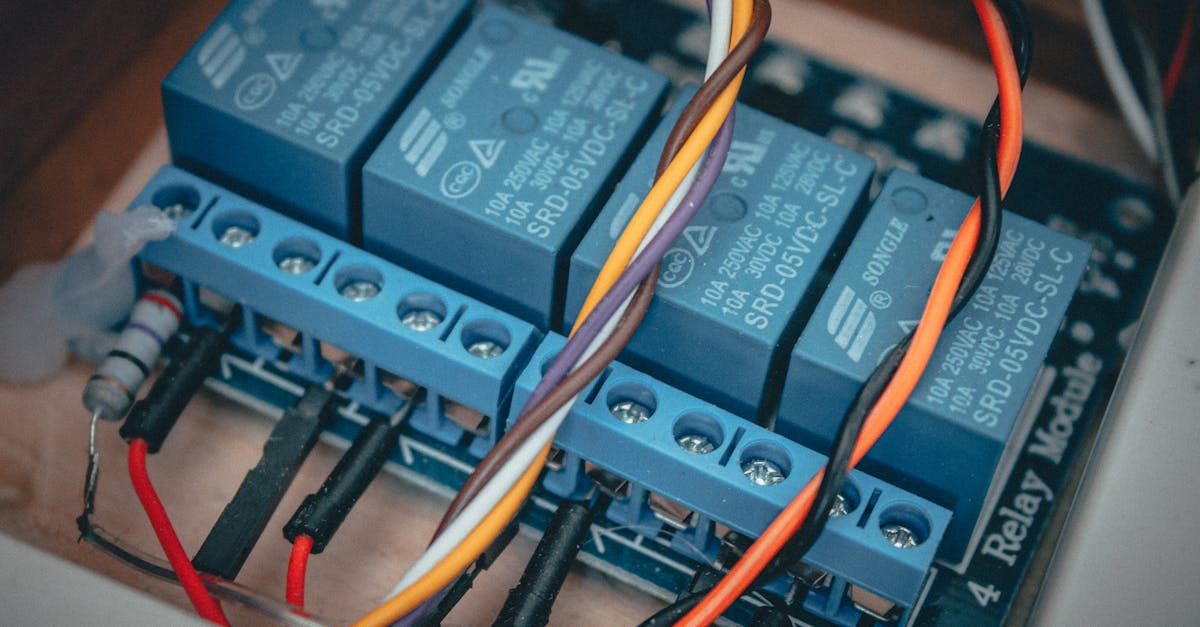
This is the part that genuinely surprised me. I walked into the Christ Embassy Ho youth center expecting a few old computers and maybe a Bible study. Instead, I found 25 teenagers huddled around Raspberry Pi kits, building a weather station. A weather station. In a church.
The program is called “Tech for Christ,” and it’s the brainchild of Brother Kwesi, a software engineer who moved back to Ho from Accra two years ago. He told me, “I saw kids who could recite scripture but couldn’t send an email. That’s a disconnect. If the gospel is about transformation, then it must include technological transformation.”
Here’s what’s happening: every Saturday, these teenagers learn Python programming, basic electronics, and data analysis. Not abstract theory—they build things that solve local problems. The weather station they’re constructing will eventually feed real-time data to the Ghana Meteorological Agency, helping farmers predict rainfall patterns. Another group is developing a mobile app for reporting broken boreholes in their communities. These aren’t hypothetical projects—they’re live, deployable solutions.
And yes, they pray before each session. But they also debug code. That’s the point.
The Data-Driven Pulpit: How Sermons Are Saving Lives
This is the part that might make some theologians uncomfortable, but I’m going to say it anyway: Christ Embassy Ho has turned the pulpit into a public health announcement system. And it’s brilliant.
Every Sunday, before the main sermon, there’s a five-minute health briefing. Not generic advice like “eat your vegetables”—specific, data-driven information. Last month, when there was a cholera outbreak in the neighboring district, the church announced the symptoms, the nearest treatment centers, and the exact steps for disinfecting water. No sugarcoating, no spiritualizing. Just hard facts delivered with pastoral authority.
But it gets better. The church also uses WhatsApp groups to disseminate verified health information. During the COVID-19 pandemic, when misinformation was spreading faster than the virus, Christ Embassy Ho became a trusted node for accurate updates. They didn’t just say “God will protect you”—they distributed masks, hand sanitizers, and fact sheets produced by the Ghana Health Service. Their vaccination drive reached over 800 people who refused to go to government clinics.
I’ve found that the secret sauce here is messaging framing. When a government official says “get vaccinated,” it feels like an order. When a pastor says “get vaccinated to love your neighbor as yourself,” it becomes a moral duty. Same science, different package. The result? Higher compliance rates than any public campaign.
The Elephant in the Room: When Faith and Science Collide
Let’s not pretend it’s all smooth sailing. I’ve interviewed families in Ho who still believe that prayer alone can cure HIV—and that’s dangerous. Christ Embassy Ho isn’t immune to these tensions. I asked Pastor Michael directly: “What do you say to someone who believes God will heal them without medication?”
His answer was refreshingly honest: “We tell them that God created medicine and doctors too. If you reject the cure He provided through science, you’re testing Him, not trusting Him.” That’s a nuanced theological position that many churches avoid. But Christ Embassy Ho is willing to wade into the gray area because the stakes are life and death.
This is the uncomfortable truth that most conversations about faith and science ignore: You cannot simply tell a deeply religious person that their beliefs are wrong. That approach fails every time. Instead, you have to work within their worldview to introduce scientific thinking. Christ Embassy Ho does this by never attacking faith, but always elevating evidence. They’ll say, “God gave you a body—science helps you understand how to care for it.” That’s not compromise. That’s strategic communication.
What the Rest of the World Can Learn from a Church in Ho
If you’re reading this from a university lab in London or a tech hub in San Francisco, you might think this is a quaint local story. You’d be wrong. Christ Embassy Ho has cracked a code that global health organizations spend billions trying to solve: how to make science stick in communities that distrust institutional authority.
Here’s the formula they’ve discovered:
- Embed science in existing trust networks (churches, mosques, community groups)
- Translate data into moral language (not “this is healthy” but “this is loving your neighbor”)
- Make participation communal (health screenings become church events, not clinical visits)
- Never ridicule belief—expand it (add scientific understanding to spiritual faith)
- Equip local leaders (train pastors, not just doctors, to be science communicators)
So next time someone tells you that religion and science are incompatible, send them to Ho. Show them a church that runs blood pressure screenings, teaches Python, and saves cassava harvests. The truth is messier than the narrative—and far more hopeful.
Now, I’ll leave you with this: If a church in rural Ghana can bridge the gap between the pew and the petri dish, what’s stopping your community? The tools are already there. The question is whether you have the courage to use them.
Kondwani Mhango is a general blogger for CYBEV.io, writing about the intersections of science, faith, and community development. He believes the most interesting innovations happen where nobody is looking.