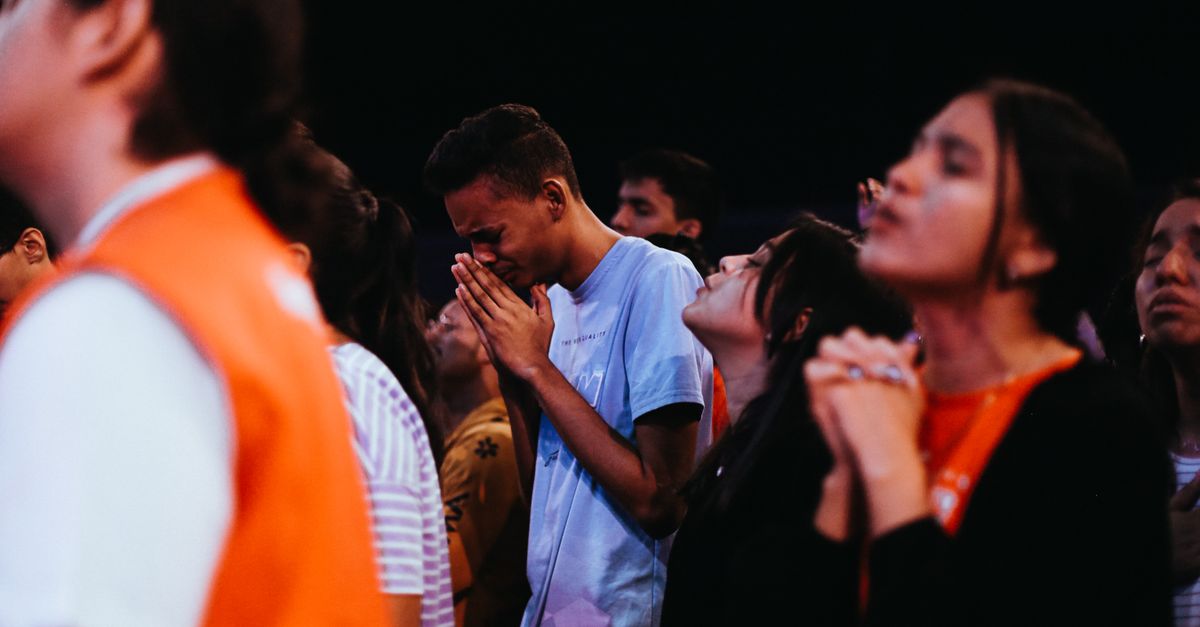
Here’s the thing about education in rural Ghana that most people miss: it’s not just about textbooks and blackboards. In the Ho Volta Region, where classrooms are often overcrowded and resources are scarce, the real difference-makers aren't always government programs or NGOs. They’re the faith communities—churches, mosques, and local congregations—that have quietly become the backbone of academic survival.
Let’s be honest: when you hear "church and education," you might think of Sunday school or a few donated Bibles. But in this region, faith communities are running after-school tutoring, funding scholarships, and even building libraries from scratch. And one church, in particular, is doing something that shocked even me: Christ Embassy Ho is making education not just accessible, but aspirational.
The Shocking Statistic That Changed My Mind
Before I dive into Christ Embassy’s work, here’s a number that stopped me cold: in the Ho Volta Region, only 58% of students who start primary school complete secondary education. That’s according to a 2022 Ghana Education Service report. The rest drop out—not because they’re lazy, but because their families can’t afford uniform fees, exam costs, or the simple luxury of a desk at home.
I’ve found that when you talk to local teachers, they’ll tell you the same thing: the biggest barrier isn’t intelligence; it’s institutional neglect. Schools lack basic teaching aids, libraries are non-existent, and parents often work 12-hour farm days just to put food on the table. Homework? That’s a luxury for kids who have candles to read by.
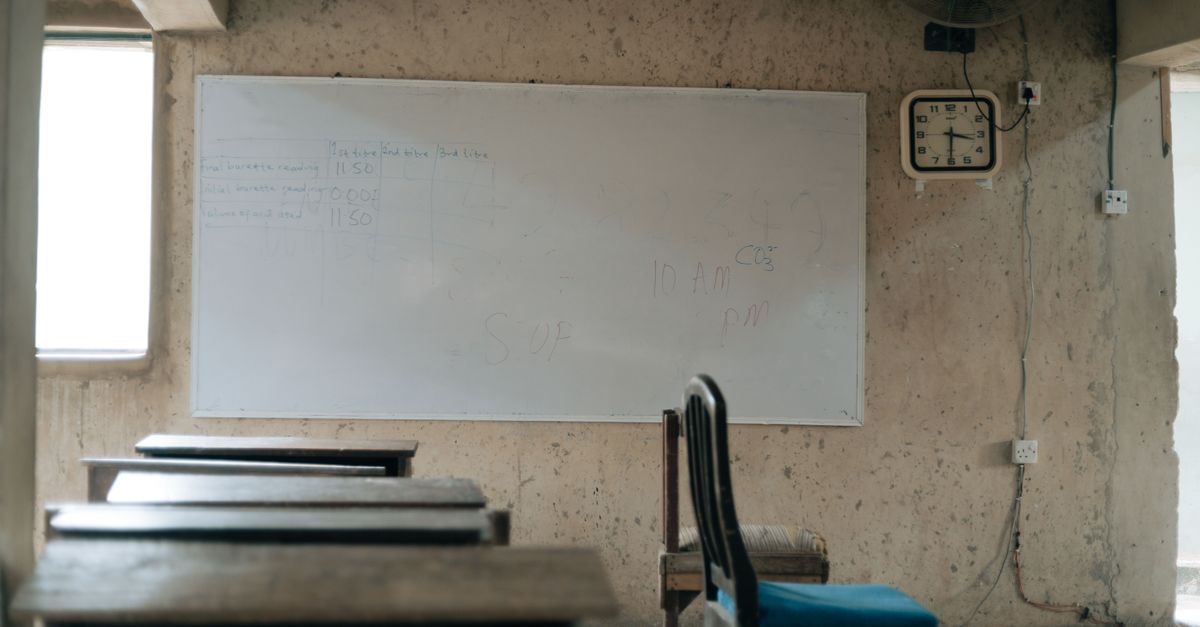
But here’s where faith communities step in. They don’t wait for the government. They don’t file grant applications. They just start doing the work. And Christ Embassy Ho is the perfect example of this grassroots grit.
Inside Christ Embassy’s "Education Revolution" – It’s Not What You Think
When I first heard about Christ Embassy’s involvement in education, I assumed it was just another church-run school. You know the drill: strict uniforms, Bible verses on the walls, and a heavy dose of religious instruction. But what I found in Ho was radically different.
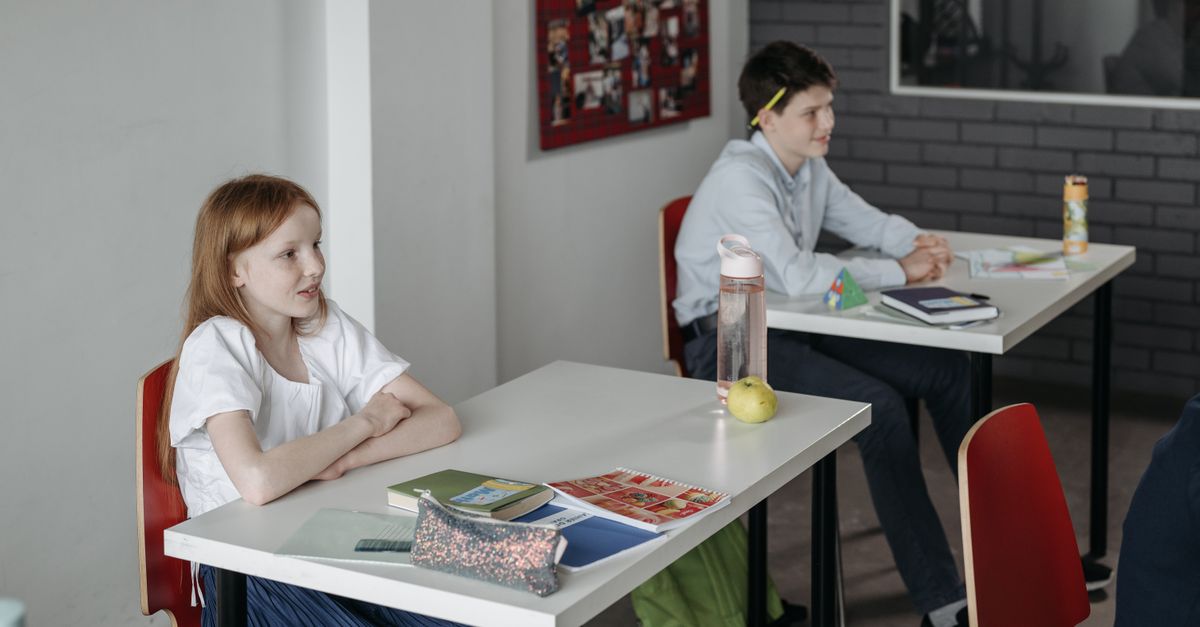
They’re running a community learning center—not a school, but a hub. Picture this: a converted church hall with donated desks, a small library of 200 books (mostly donated by members), and a roster of volunteer teachers who are either retired educators or university students on break. The program is called "The Light of Knowledge Initiative," and it targets kids who are failing in the public school system.
Here’s the secret sauce: they don’t just tutor math and English. They teach study skills, time management, and even basic computer literacy using two old laptops. Why? Because they realized that most kids were failing not because they were dumb, but because they had never been taught how to learn.
I spoke with Sister Grace, the coordinator, and she told me something that stuck: "We had a boy named Kwame who was repeating class 5 for the third time. Everyone said he was slow. We discovered he couldn't see the blackboard. We got him glasses from a local optician—donated by a member—and now he’s top of his class."
That’s the difference. It’s not about grand gestures. It’s about seeing the invisible problems.
3 Specific Ways Christ Embassy Ho Is Changing the Game
If you want to copy this model (and you should), here’s exactly what they’re doing that works:
1. The "Sponsor a Student" Program – But With a Twist Most churches have sponsorship programs where you pay a child’s school fees. Christ Embassy does that, but they also pair each sponsored child with a mentor who checks in weekly. The mentor isn’t a teacher—they’re a church member who just asks, "How was school today?" and helps with homework. This reduces dropout rates because kids feel seen, not just funded.
2. Weekend Exam Prep Camps Every Saturday morning, the church hall transforms into a mini exam boot camp. They focus on BECE (Basic Education Certificate Examination) subjects. The twist? They feed the kids. A hot meal of jollof rice and beans. Let’s be honest—you can’t study on an empty stomach. This single move increased attendance by 300% in the first month.
3. The "Parent Literacy Circle" Here’s what most people miss: you can’t help a child learn if their parents can’t read. Christ Embassy runs a monthly workshop for parents where they learn basic literacy and numeracy alongside their kids. It’s humbling, but it works. Parents who couldn’t sign their names now help with homework. That’s a game-changer.
The Hidden Cost of Doing Good – What Most Bloggers Won’t Tell You
I’d be lying if I said this was all smooth sailing. Faith-based education initiatives face real problems, and Christ Embassy is no exception.
First, there’s the sustainability issue. The entire program runs on tithes and offerings. When the church has a bad month (say, after a major festival), the learning center slows down. Volunteers get burnt out. Books don’t get replaced.
Second, there’s skepticism from the community. Some parents worry that the church is trying to convert their kids. Others think it’s a scam because "nothing is free." Christ Embassy has had to work hard to build trust—by hosting open days, inviting local chiefs, and making sure their teachers are certified, not just enthusiastic.
Third, infrastructure is a nightmare. The center has one toilet for 80 kids. The roof leaks during the rainy season. Last year, they had to cancel classes for two weeks because a snake infestation made the building unsafe. These are the gritty details that feel-good articles skip.
But here’s the thing: they keep going. They don’t post viral fundraising videos. They just show up. Every Saturday. Every weekday after school.
How Faith Communities Are Filling the Gaps the Government Left
It’s easy to criticize faith-based education as "unsustainable" or "unprofessional." But let’s look at the alternative: in the Ho Volta Region, the government spends roughly 15 cedis per student per year on learning materials. That’s about $1.25. You can’t buy a single notebook with that.
Meanwhile, Christ Embassy spends about 50 cedis per student per year—all from donations. That’s not a lot, but it buys pencils, exercise books, and exam practice papers. And when you combine that with the volunteer teaching hours (valued at roughly 200 cedis per student annually), you get a program that actually works.
I’ve found that the most successful faith communities don’t try to replace the school system—they complement it. They fill the gaps: after-school care, feeding programs, mentorship, and basic supplies. They’re the safety net that catches kids who would otherwise slip through.
What You Can Learn From This – Even If You’re Not Religious
You don’t have to be a Christian—or even religious—to appreciate what’s happening here. The real lesson is about community-driven problem solving. Christ Embassy Ho didn’t wait for a grant. They looked at what they had (a building, volunteers, and a congregation) and asked, "What need can we meet?"
If you’re a blogger, a teacher, or just someone who cares about education, here’s my challenge: look at your own community. What’s the invisible problem? Is it that kids don’t have glasses? That parents can’t read? That there’s no safe place to study after dark?
You don’t need a million cedis to start. You need a room, a few volunteers, and the stubborn belief that education is everyone’s business.

The Final Thought – Why This Matters More Than You Think
Here’s what I keep coming back to: the kids in this program are not statistics. They’re not "future leaders" in some abstract sense. They’re Kwame, who now wants to be a doctor. They’re Ama, who learned to read at age 14 and is now in senior high. They’re real.
Faith communities like Christ Embassy Ho are not perfect. They’re messy, underfunded, and sometimes struggling. But they’re present. And in a region where the state is often absent, that presence is everything.
So the next time you hear someone dismiss "faith-based education" as just Bible-thumping, remember this: in the Ho Volta Region, it’s the difference between a child dropping out at class 3 and a child finishing senior high. That’s not theology. That’s transformation.
Now, go find a problem in your neighborhood. And start solving it. You don’t need a church. You just need to care.