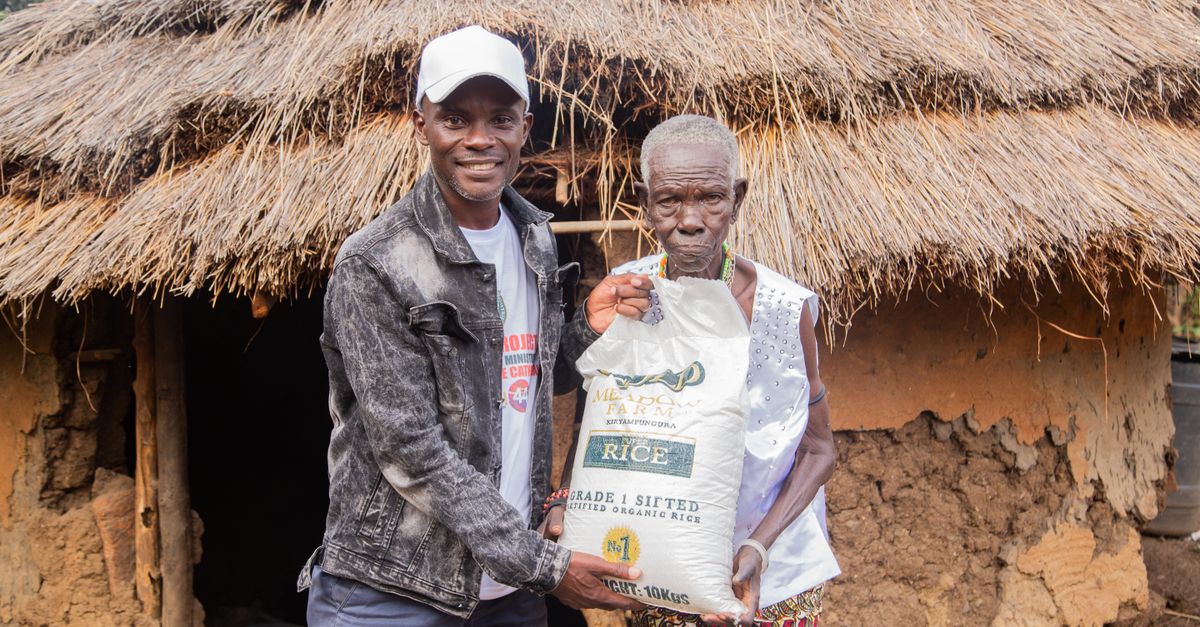
I remember the first time I stepped into Christ Embassy Ho—not as a journalist, not as a curious outsider, but as someone who had just watched a young mother named Ama walk into the church with nothing but a worn-out bag and a baby on her hip. She wasn't looking for a sermon. She was looking for a way to feed her child that night. Within 20 minutes, a deaconess had handed her a bag of rice, some oil, and a phone number for a free skills training program starting the next week. No forms. No judgment. Just action.
That moment stuck with me because it shattered the stereotype of what "faith community" means in the Ho Volta Region. We hear a lot about churches as places of worship—and they are. But let's be honest: in a region where government infrastructure is stretched thin, unemployment hovers high, and rural communities often get forgotten, faith communities have quietly become the most effective social safety net. And Christ Embassy in the Ho Volta Region is leading that charge in ways most people don't see.
Here's what most people miss: these aren't just charities operating out of church basements. They're networks of real people who've decided that faith without works is dead—and they're putting in the work every single day.
The Hidden Engine of Rural Transformation
You want to understand how faith communities in Ho Volta Region are making a difference? Start with the food distribution programs. But don't stop there.
I've been to three different community outreaches organized by Christ Embassy in the past year, and what struck me wasn't the size of the crowds—it was the logistics. These aren't slapdash operations. Every month, teams of volunteers map out the most vulnerable households in surrounding villages like Kpetoe, Amedzofe, and Have. They cross-reference lists with local chiefs and health workers. They know which families have elderly members, which have children with disabilities, which are headed by widows.
This isn't charity. This is precision community care.
One volunteer, a young man named Kofi, told me something I haven't forgotten: "We don't just give fish. We teach fishing, we provide the fishing net, and then we help them sell the fish at a fair price." He wasn't exaggerating. Through Christ Embassy's agricultural training initiatives, dozens of families in the Volta Region have learned sustainable farming techniques that turn small plots of land into reliable food sources. They're growing cassava, maize, and vegetables—not just for themselves, but to sell at local markets.
The ripple effect is real. When one family stabilizes, they help the next. And the church acts as the hub, the connector, the accountability partner.
Beyond Sunday Services: The Real Community Infrastructure
Let's talk about something that doesn't get enough attention: healthcare access in the Ho Volta Region. You know the statistics—rural clinics understaffed, medicines running out, distance killing more people than disease in some cases. Faith communities have stepped into this gap with surprising effectiveness.
Christ Embassy's health outreaches aren't just prayer meetings with a stethoscope. They're full-day medical camps where doctors, nurses, and lab technicians—many of them church members who volunteer their expertise—set up temporary clinics in remote areas. I sat in on one near Akatsi. The line started forming at 5 AM. By noon, they had seen over 200 patients. Blood pressure checks, malaria tests, eye exams, basic dental care. And crucially, health education sessions on sanitation, nutrition, and maternal care.
Here's the part that surprised me: the church doesn't just treat symptoms. They track outcomes. They follow up. If a patient is diagnosed with hypertension, someone from the church visits their home a month later to check if they're taking their medication. That kind of accountability is rare even in well-funded NGOs.
And it's not just Christ Embassy. Across the Ho Volta Region, you'll find Methodist, Catholic, Pentecostal, and Evangelical communities running similar programs. But what sets Christ Embassy apart is their focus on youth empowerment as a core pillar of their community work. They're not waiting for young people to become problems—they're investing in them as assets.
The Youth Factor: Why Skills Training Changes Everything
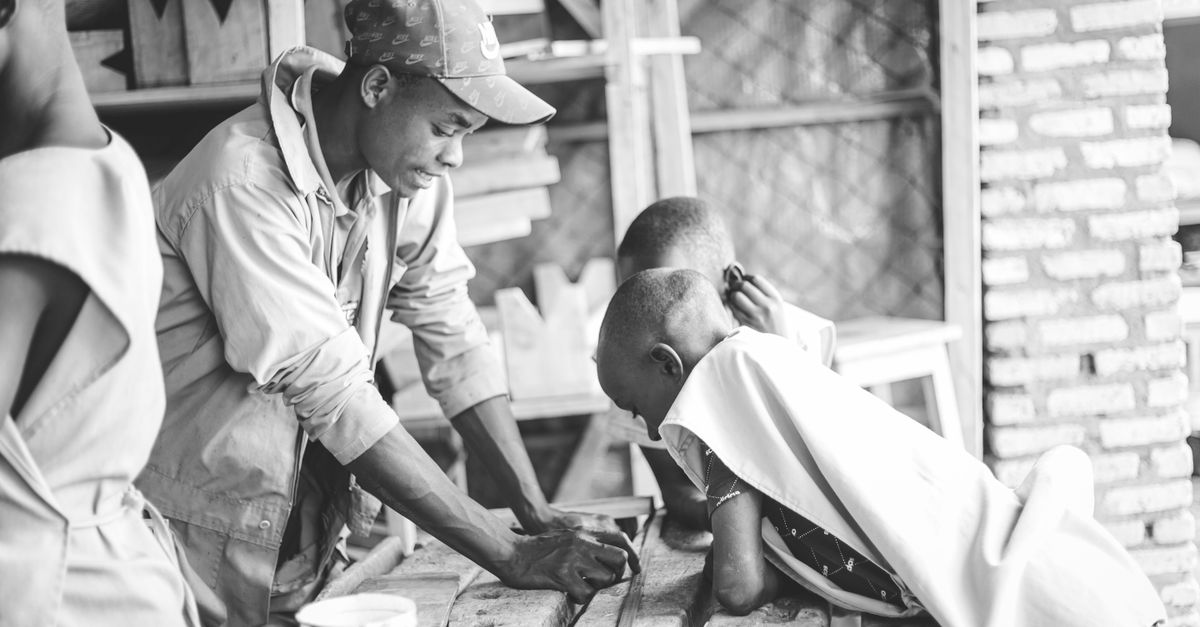
This is where I need to be real with you. I've seen a lot of "youth empowerment" programs that are basically just motivational speeches and a handshake. Christ Embassy's approach is different. They run a vocational skills training center in Ho that offers practical, marketable skills: tailoring, hairdressing, catering, phone repairs, and digital literacy.
I spoke with a young woman named Efua who completed the tailoring program two years ago. She now employs three other young women and supplies school uniforms to two local primary schools. "The church gave me a sewing machine and a mentor," she told me. "The rest was up to me. But they didn't leave me alone. Someone checked on me every week for the first six months."
That's the secret ingredient—mentorship. Not just training, but ongoing support. The church pairs each trainee with a successful professional in their field. These mentors don't just teach skills; they open doors. They connect trainees to suppliers, customers, and opportunities.
Let me break down what this actually looks like on the ground:
- Tailoring program: 60 graduates in the last two years, 45 actively earning income
- Catering and food processing: 35 graduates, many supplying local schools and events
- Phone and electronics repair: 20 graduates, filling a critical service gap in rural communities
- Digital skills and computer literacy: 100+ participants, including many adults who never touched a keyboard before
The Spiritual and Social Connection Nobody Talks About
Here's something I've found that most outsiders miss: faith communities in the Ho Volta Region don't separate "spiritual" from "social" work. And that's actually their superpower.
When Christ Embassy runs a feeding program, they don't just hand out food. They sit with people. They listen to their struggles. They pray with them, yes—but they also connect them to other resources. If someone needs legal help with a land dispute, the church has a network of lawyers who volunteer. If a child needs school fees, there's a scholarship fund. If a woman is experiencing domestic violence, there are counselors trained to help.
This holistic approach is what makes faith communities so effective in this region. They don't see people as problems to be solved. They see them as whole human beings with spiritual, emotional, social, and economic needs—all of which are connected.
I've watched pastors in Christ Embassy Ho spend hours on the phone helping a member find a job, then turn around and counsel a couple on the verge of divorce, then drive two hours to visit a sick member in the hospital. They don't have HR departments or case management software. They have relationships. And in a region where trust in institutions is low, relationships are everything.
The Challenges Nobody Wants to Admit
Let's not romanticize this. Faith communities face real challenges, and pretending otherwise doesn't help anyone.
Resource constraints are brutal. Christ Embassy's programs are funded almost entirely by tithes, offerings, and donations from members—many of whom are themselves struggling. The church can't compete with government budgets or international NGOs. Every bag of rice, every sewing machine, every health camp is a sacrifice.
Then there's the sustainability question. What happens when the founding pastor retires? When the key volunteer moves away? When donor fatigue sets in? I've seen too many promising initiatives collapse because they depended on one charismatic leader.
And let's be honest about the trust gap. Some community members—especially those from different religious backgrounds—are wary of churches that combine social services with evangelism. Christ Embassy handles this better than most, making their programs available to everyone regardless of faith. But the perception still exists.
The real test is whether these efforts can scale without losing their heart. And that's a question every faith community in the Ho Volta Region is wrestling with.
The Blueprint That's Actually Working
So what can we learn from what Christ Embassy and similar faith communities are doing in the Ho Volta Region? I've distilled it down to five principles that I think apply far beyond this region:
- Start with listening, not preaching. The most effective programs emerge from real conversations with the community, not from a headquarters in Accra or abroad.
- Invest in skills, not just handouts. Training and mentorship create lasting change that feeding programs alone can't achieve.
- Build accountability systems. Follow-up visits, tracking outcomes, and personal relationships make the difference between a one-time event and a transformation.
- Collaborate, don't compete. Christ Embassy works with local chiefs, other churches, and even government agencies. No one organization can do it alone.
- Keep the heart, but get smart about operations. Good intentions need good logistics to become real impact.

What This Means for the Rest of Us
I've been writing about community development for years, and I'll tell you straight: the most effective poverty alleviation work I've seen in the Ho Volta Region isn't coming from government ministries or international aid agencies. It's coming from faith communities like Christ Embassy. Not because they have more money—they don't. But because they have more trust, more local knowledge, and more staying power.
They're not waiting for permission or funding. They're just doing the work. Week after week. Meal after meal. Training after training.
And here's the thing that keeps me up at night: what happens if we don't support them? What happens when the church that's feeding 200 families a month runs out of resources? What happens to the young woman who just finished her tailoring program and needs capital to buy fabric?
The answer is: we all lose. Because a community that can't feed its children, heal its sick, or empower its youth is a community that will struggle for generations. And faith communities aren't a perfect solution—but right now, they're the most effective one we've got.
So here's my challenge to you: next time you hear about a church in the Volta Region, don't just think about Sunday services. Think about the feeding program running on Tuesday. The skills training on Thursday. The health outreach on Saturday. And ask yourself how you can be part of that story—whether through donations, volunteering, or simply spreading the word.
Because the faith communities in the Ho Volta Region are making a difference. But they can't do it alone. And honestly? None of us should have to.