Let me tell you about Kofi.
I met Kofi two years ago at a tiny roadside chop bar just outside Ho. He was nursing a warm Coke and staring at his phone like it had personally offended him. I asked what was wrong, expecting the usual — bad reception, a breakup text, maybe a boss who didn't appreciate his genius.
Instead, he said: "Brother, I just watched a video of a church in my village feeding 300 people. That church has no real building. They meet under a mango tree. But they fed more people last Saturday than the district assembly did all month."
He wasn't bitter. He was amazed. And honestly? So was I.
That conversation sent me down a rabbit hole I never expected. I started visiting faith communities across the Ho Volta Region — not as a reporter, but as a curious guy who wanted to see what was actually happening on the ground. And what I found surprised me, humbled me, and honestly, made me rethink everything I thought I knew about how change happens in Ghana.
Today, I want to shine a spotlight on one community in particular: Christ Embassy Ho. But trust me — this isn't a church plug. This is a story about something bigger.
The Mango Tree Movement — Why Faith Communities Are Ghana's Best-Kept Secret
Let's be honest for a second. When most people hear "faith community" in Ghana, they think of two things: long services and longer offerings. And yeah, those exist. But here's what most people miss — faith communities in the Ho Volta Region are quietly doing more heavy lifting for community development than most NGOs I've seen.
And I've seen a lot.
The Ho Volta Region isn't Accra. It's not Kumasi. It doesn't have the same visibility or funding streams. But what it lacks in resources, it makes up for in community DNA. These churches, mosques, and spiritual groups aren't just places to worship — they're social safety nets, emergency response teams, and economic empowerment hubs rolled into one.
I've watched a church youth group organize a clean-up exercise that put the municipal sanitation department to shame. I've seen a pastor's wife turn her personal kitchen into a feeding program for 50 kids — and then 100, and then 200. These aren't grand, funded initiatives with logos and mission statements. They're real people, showing up, again and again.
And at the center of this wave? Christ Embassy Ho.
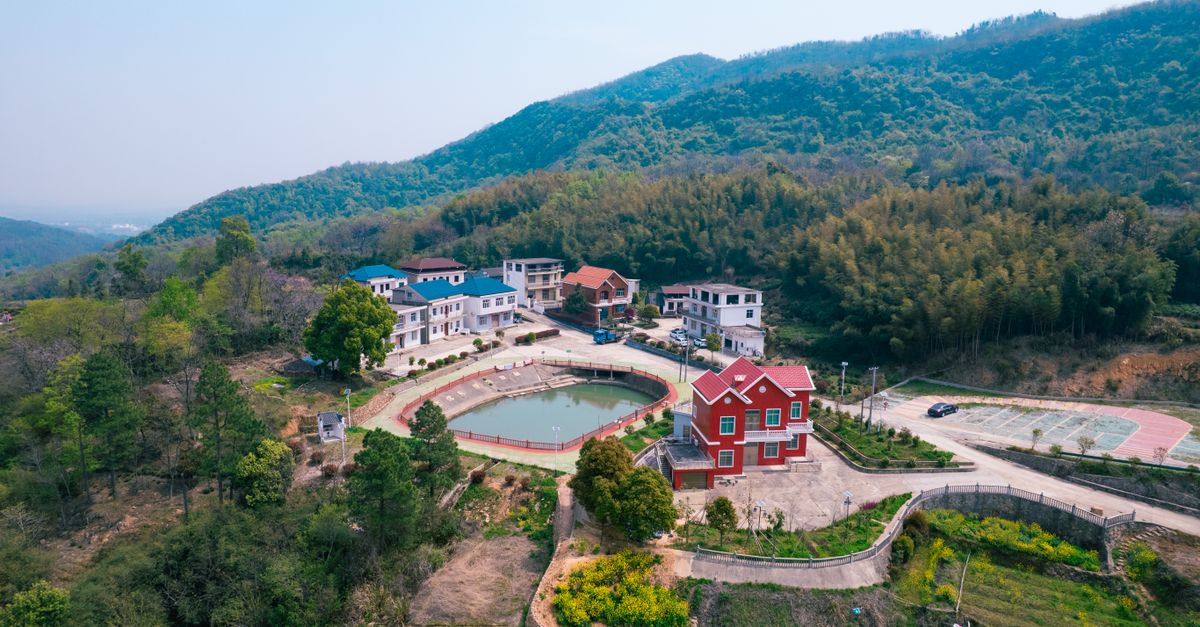
Inside Christ Embassy Ho — The Church That Refuses to Stay Inside
Here's the thing about Christ Embassy Ho that caught my attention: they don't wait for Sunday.
Most churches I've visited in the region operate on a weekly cycle. Service, midweek, repeat. But Christ Embassy Ho has this energy that feels different. I sat down with Pastor Michael and a few members of the church's outreach team, and the first thing he said to me was: "Martín, if all we do is preach, we're missing the point."
That stuck with me.
Their approach breaks down into three areas that I think any community — religious or not — could learn from:
- Health Outreach Without the Red Tape — They've organized medical screening events in rural communities where people walk 10 kilometers to see a nurse. No forms, no bureaucracy, just doctors and nurses from the church giving their time.
- Skills Training That Actually Works — I'm not talking about generic "empowerment seminars." I'm talking about teaching women in Dzolokpuita how to make liquid soap, beadwork, and pastries — then helping them find buyers. One woman told me she went from selling nothing to supplying three local shops within two months.
- Educational Support That Keeps Kids in School — This one hit me hard. They've got a program where church members sponsor school fees for kids whose parents can't afford them. No fanfare. No "look at us" posts. Just quiet, consistent support.
The Surprising Truth About Faith and Development in the Volta Region
I've had this conversation with development professionals who roll their eyes when I bring up faith communities. They see churches as competition for resources or as obstacles to "real" progress. And look, I get the skepticism. There are churches that exploit, that manipulate, that take more than they give.
But here's what I've found after months of visiting communities from Aflao to Kpetoe: in the Ho Volta Region, faith communities are often the only consistent institutions people can count on.
Think about it. Government services come and go. NGOs have project cycles — they're here today, gone tomorrow. But the church? The mosque? The shrine? They've been here for generations. They know the elders. They know the history. They know who just lost a job and who's struggling to pay school fees.
Faith communities have relational infrastructure that money can't buy.
And Christ Embassy Ho understands this deeply. They don't try to replace the government or compete with NGOs. They work alongside them. I've seen them partner with local health centers for immunization drives. I've watched them coordinate with district education offices to identify at-risk students. They're not trying to build a parallel system — they're trying to fill the gaps.

Let's Talk About Entertainment — Because Yes, That Matters
Now, you might be wondering: Martín, why is this in the entertainment category?
Fair question. Here's my answer.
Entertainment in the Ho Volta Region isn't just about fun — it's about connection, identity, and healing.
Christ Embassy Ho has figured out something that most development organizations haven't: culture moves people faster than policies do.
They've integrated drama, music, and traditional dance into their community work in a way that feels organic, not forced. I attended one of their youth events last year, and I swear, the energy was electric. Young people performing skits about real issues — teenage pregnancy, unemployment, family pressure — and the audience was engaged. Not zoning out. Not scrolling through phones. Actually present.
They've also started using local entertainment platforms — community radio, live performances at market days, even a small YouTube channel — to spread messages about health, education, and community responsibility. It's not preachy. It's smart.
One of their most popular initiatives? A football tournament that brings together youth from different communities. No sermons. No pamphlets. Just football, snacks, and conversations that happen naturally. And then, after the tournament, they quietly connect players with mentors, skills training, or scholarship opportunities.
That's the kind of entertainment that actually builds something.
What Most People Get Wrong About "Church Work" in Rural Ghana
I'm going to say something that might ruffle some feathers.
Most people — including Ghanaians in Accra — have no idea what's actually happening in faith communities in the Ho Volta Region.
They imagine dusty churches with wooden benches and a pastor shouting about prosperity. And yeah, that exists. But the story is so much bigger than that.
What I've seen is a quiet revolution of service. Churches that are running vocational training centers. Mosques that are organizing blood drives. Traditional shrines that are preserving indigenous knowledge while partnering with health workers on maternal care.
And Christ Embassy Ho? They're not trying to be the biggest or the loudest. They're trying to be the most effective.
Pastor Michael told me something that I think about all the time: "We don't measure success by how many people come to church. We measure it by how many lives change in the community."
Imagine if every organization — religious or not — operated with that mindset.

The Real Reason This Matters — And Why You Should Care
I'm not writing this to sell you on Christ Embassy. I'm not a member, and I don't have any affiliation with them. I'm writing this because I think we're missing the story.
In a world where we're constantly told that institutions are failing, that community is breaking down, that nobody cares anymore — here's a counter-narrative. Here's a story about people in the Ho Volta Region who are showing up, week after week, with no cameras, no viral moments, no funding from abroad. Just commitment.
And here's what I want you to take away from this:
The solutions to Ghana's challenges are already here. They're not in boardrooms in Accra or in international conference calls. They're in communities like Ho, in churches like Christ Embassy, in the hands of people like Kofi — who, by the way, now volunteers with that same church's outreach team.
He told me last month: "Brother, I used to think change had to come from somewhere else. Now I know it starts right here."
So here's my challenge to you — whether you're religious or not, whether you're in Ghana or somewhere else entirely:
Pay attention to the faith communities in your area. Not just the big ones with the flashy buildings. The small ones, the quiet ones, the ones meeting under mango trees. They might just be doing the most important work you've never noticed.
And if you're in the Ho Volta Region, go check out what Christ Embassy Ho is doing. Not to join — unless you want to. But to see what real community impact looks like when it's driven by love, not by a grant proposal.
You might be surprised by what you find.
I know I was.