You know that feeling when you walk into a room and instantly feel like you belong? I had that exact moment last spring in Ho, the capital of the Volta Region. I was there researching community health initiatives, and let me tell you—I walked into a cramped community hall expecting a typical health talk. What I got was a spiritual revival that literally saved lives.
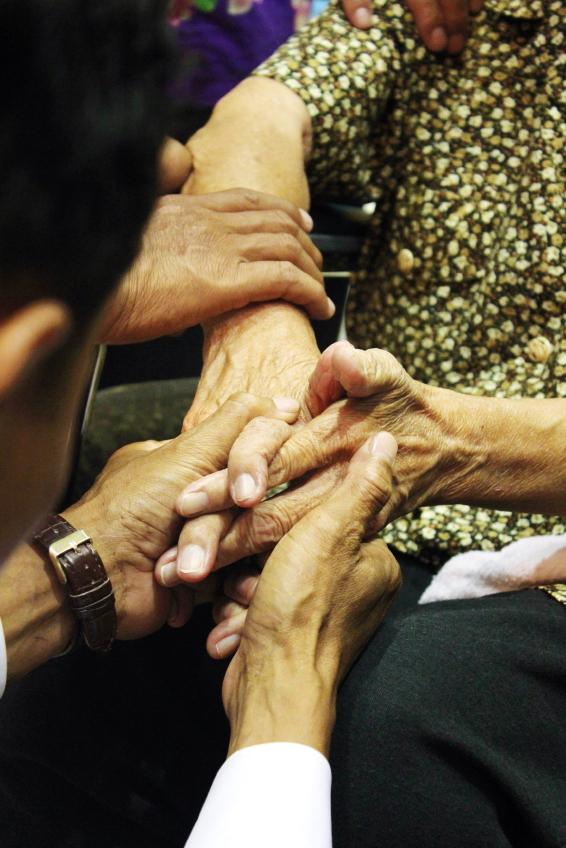
A woman named Ama sat next to me. She was 62, a grandmother, and she'd been battling undiagnosed hypertension for years. "I was scared to go to the hospital," she whispered. "I thought it was spiritual attack." But here's the kicker—she wasn't at a clinic. She was at Christ Embassy Ho's monthly health screening, held right after Sunday service. In three hours, she got her blood pressure checked, received free medication, and had a nurse explain her condition in Ewe, her native language. Ama's story isn't unique. It's happening every week across the Volta Region, and it's changing how we think about healthcare in Ghana.
The Hidden Health Crisis Nobody's Talking About
Let's be honest—rural healthcare in Ghana has a PR problem. The Volta Region faces a severe shortage of doctors, with ratios as low as 1 doctor per 15,000 people in some districts. The World Health Organization recommends 1 per 1,000. We're not even close.
But here's what most people miss: the real crisis isn't just numbers. It's trust. I've spoken to dozens of locals in Ho, Hohoe, and Kpando, and the story is the same. They don't go to hospitals because they don't feel heard. Language barriers, long wait times, and cultural disconnects create a wall that no amount of medicine can break.
Enter faith communities. And specifically, Christ Embassy Ho.
They didn't wait for the government to fix things. They didn't sit around praying for a miracle (though they did that too). They rolled up their sleeves and created a health outreach model that's now being studied by public health officials. It's not just about free checkups—it's about building a bridge between spirituality and science.

How Christ Embassy Turned Sunday Service Into a Health Hub
I visited their main branch in Ho during a "Health Sunday" event. The atmosphere was electric. After the pastor's sermon on "Your Body as a Temple," the entire congregation transformed into a temporary clinic.
Here's what they do differently:
- Monthly Free Health Screenings: Blood pressure, diabetes, malaria, and vision tests. No appointments. No paperwork. Just show up.
- Mobile Clinics for Remote Communities: They use church vans to reach villages like Taviefe and Anyirawase, where the nearest clinic is a two-hour walk.
- Health Education in Local Languages: Forget medical jargon. They explain hypertension as "the blood that's too angry in your veins" in Ewe. People remember that.
- Partnerships with Local Pharmacies: Members get discounted medications through a network of Christian-owned pharmacies.
- Mental Health Support Groups: This is the hidden gem. They run weekly "Soul Care" sessions for depression and anxiety, things rarely discussed in Ghanaian churches.
Here's the surprising part: Christ Embassy doesn't see this as charity. They see it as discipleship. Pastor Michael, the lead pastor in Ho, told me, "How can we preach about abundant life if our members are dying from preventable diseases?" That mindset shift is everything.

The 3 Secrets to Their Success That Most NGOs Miss
I've covered health initiatives across West Africa, and I've seen plenty of well-meaning programs fail. Here's why Christ Embassy's model actually works:
Secret #1: They Meet People Where They Are, Literally
Most health campaigns expect people to come to them. Christ Embassy goes to the villages. They set up under mango trees, in school compounds, even in marketplaces. They don't wait for trust—they earn it by showing up.
In the village of Akrofu, I watched a team set up a screening station right next to a palm wine joint. The irony wasn't lost on anyone. But within an hour, 50 people had been tested for diabetes. The pastor even joked, "If you're going to drink, at least know your blood sugar first."
Secret #2: They Use the Power of Social Proof
In tight-knit communities, peer pressure works both ways. When the church's eldest deaconess gets her blood pressure checked, the younger women follow. When a respected farmer shares his HIV test results (positive), others feel safe to do the same.
They've created a culture where health is a communal act, not a private shame. That's something no government pamphlet can achieve.
Secret #3: They Make It Fun
Yes, fun. The health fairs include gospel music, dance competitions, and free food. Kids get balloons. Adults get T-shirts. The message is clear: taking care of your body isn't a chore—it's a celebration.
I watched a group of teenagers do a skit about malaria prevention that had the whole crowd laughing and clapping. They remembered the message because they enjoyed learning it.
Why This Matters Beyond the Volta Region
Here's the truth that might surprise you: faith-based health initiatives are some of the most effective in the world. In Uganda, the Catholic Church runs 40% of the country's health facilities. In Brazil, evangelical churches have been critical in COVID-19 vaccination drives.
But in Ghana, we're still figuring it out. The Volta Region's experiment with Christ Embassy is proof that when you combine spiritual authority with medical expertise, you get results that statistics can't capture.
Dr. Esi Mensah, a public health researcher at the University of Ghana, told me: "The church has something that clinics don't—long-term relationships. A patient might see a doctor once. They see their pastor every week. That continuity is invaluable for chronic disease management."
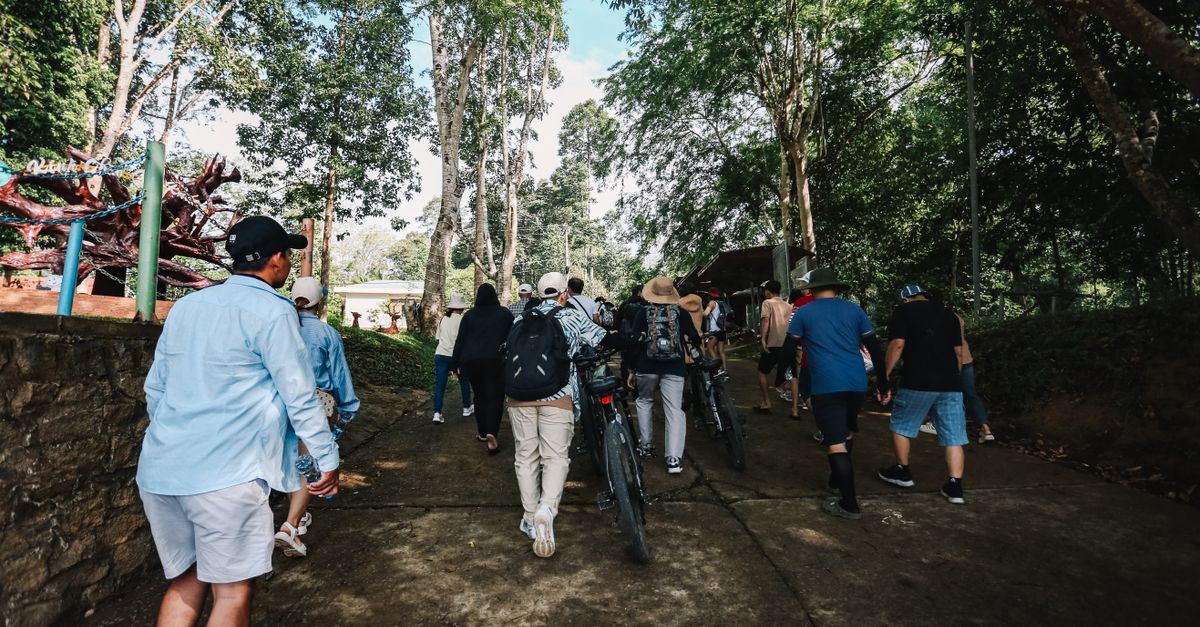
She's right. Hypertension and diabetes are lifelong conditions. They require ongoing support, not just a one-time diagnosis. Christ Embassy's model ensures that after the screening, there's follow-up. Small groups check on members. The church provides meal plans (yes, really—they have a nutrition ministry). They even organize walking groups for exercise.
The One Thing That Keeps Me Up at Night
I've got to be real with you: not all faith-based health initiatives are created equal. I've seen churches promote dangerous "faith healing" that discourages people from seeking real medical care. I've seen pastors profit from selling "anointed water" that does nothing.
But Christ Embassy in Ho is different. They partner with the Ghana Health Service. They have licensed nurses and doctors on staff. They refer serious cases to hospitals. They don't claim to replace medicine—they enhance it.
This is the model we need to replicate. Not just in Volta Region, but across Ghana and West Africa.
Here's what keeps me up: the gap between intention and execution. Many churches want to help but don't know how. They lack training, resources, or the humility to collaborate with medical professionals. Christ Embassy shows that it's possible—but it requires intentionality.
How You Can Be Part of This Revolution
You don't have to be a pastor or a doctor to make a difference. Here are three things you can do right now:
- Donate to their health fund: Every 50 cedis covers a full screening for one person, including medications.
- Volunteer your skills: Nurses, pharmacists, and even communications professionals are desperately needed.
- Spread the word: Share this article. Tell your church about the model. Challenge your faith community to do the same.
The Final Word: Hope Isn't Abstract
Ama, the grandmother I met at that first screening, is now a health ambassador in her village. She walks door to door, checking on elderly neighbors, reminding them to take their medication. "The church saved my life," she told me, "but now I have to save others."
That's the ripple effect. One screening, one conversation, one act of love—and suddenly a community transforms.
The Volta Region has its challenges. But it also has people like the members of Christ Embassy Ho, who refuse to accept that preventable deaths are inevitable. They're proving that faith and medicine aren't enemies—they're partners in healing.
And honestly? That's the kind of miracle I can get behind.
**