I remember the first time I stepped into a Christ Embassy gathering in Ho. It wasn’t in a grand cathedral or a rented hall. It was under a mango tree, with plastic chairs set on red dirt, and a sound system that crackled like frying plantains. The woman next to me, Mama Esi, had walked six kilometers that morning. She wasn’t there for free food or charity — though those happen too. She came because, in her words, “This church taught me I’m not just a widow. I’m a purpose.”
That moment stuck with me. Because it revealed a truth most people miss about faith-based organizations: the best transformation isn’t preached — it’s practiced. And in the Volta Region, Christ Embassy Ho isn’t just building a congregation. It’s quietly rewriting the script on what community development looks like when faith meets action.
Let’s be honest — when you hear “church transformation,” you probably think of altar calls and testimonies. I used to think the same. But what’s happening here is different. It’s business-minded. It’s grassroots. It’s the kind of change that makes you sit up and take notes.

The Faith That Puts Shoes on Feet
Here’s what most people miss: faith without infrastructure is just philosophy. Christ Embassy Ho understands this better than most. They’ve built what I’d call a “spiritual ecosystem” — one that doesn’t just save souls but sustains lives.
I’ve found that their approach hinges on three pillars that any business school would approve of:
- Relational Capital — They don’t just show up on Sundays. Members live in the same communities, buy from the same markets, send their kids to the same schools. This isn’t a drop-in ministry. It’s embedded.
- Skill-Based Empowerment — Instead of handouts, they run workshops on soap making, financial literacy, and small-scale farming. One member, Kojo, started a cassava processing business after a three-month training. He now employs five people.
- Health as Worship — They’ve partnered with local nurses to run free blood pressure and malaria screenings. Because you can’t hear a sermon on hope when you’re dizzy from anemia.
Why does this work? Because Christ Embassy Ho treats transformation like a business — not a charity. They measure outcomes. They iterate. And they refuse to do for people what people can learn to do for themselves.
The Business of Believing: How Faith Drives Economic Change
Let’s talk about something uncomfortable: many churches in Ghana extract more than they invest. Offerings, tithes, special donations — the flow of money often goes one direction. Christ Embassy Ho flips that model.
Here’s a shocking fact: the church runs a community bakery that supplies bread to 12 local schools. The profits? Reinvested into a scholarship fund for teenage girls. That’s not charity. That’s a sustainable revenue loop with a social mission.
I sat down with Pastor Michael, the lead pastor, and asked him bluntly: “Isn’t this just capitalism with a cross?”
He laughed. Then he said something I’ll never forget: “Jesus fed 5,000 before he preached to them. We’re just following the order of operations.”
The bakery now employs 14 women, most of whom were previously unemployed. They produce 800 loaves daily. Each woman earns enough to send her children to school. The church doesn’t take a cut. Instead, they use the bakery as a training hub — teaching bookkeeping, supply chain basics, and customer service.
This is the hidden truth about faith-based transformation: when you align spiritual purpose with economic logic, you get something that scales.

The Volta Region’s Secret Asset: Youth Who Refuse to Migrate
One of the biggest challenges in the Volta Region is youth migration. Young people leave for Accra, Kumasi, or abroad, chasing opportunities that often don’t exist. Christ Embassy Ho has built a counter-narrative.
I met a 22-year-old named Edem during one of their Saturday mentorship sessions. He was learning mobile phone repair. When I asked why he stayed, he said: “My father told me Accra is where money lives. But here, I’m learning how to make money live where I am.”
That’s the kind of mindset shift that changes regions, not just individuals.
The church runs what they call the “Purpose Academy” — a six-month program combining biblical teaching with vocational skills. Tracks include:
- Digital marketing (yes, really)
- Tailoring and fashion design
- Agri-processing (think gari packaging, not just farming)
- Basic coding and app development
But here’s the kicker: the church doesn’t claim credit. They don’t have a flashy website or a marketing budget. Word spreads through WhatsApp groups and market gossip. In the Volta Region, reputation travels faster than any billboard.
Why Community Health Is the New Pulpit
If you want to understand how Christ Embassy Ho is transforming lives, look at their health initiatives. They’ve made wellness a form of evangelism.
Every quarter, they convert the church premises into a pop-up clinic. Dentists, optometrists, and general practitioners volunteer their time. Last year alone, they screened over 1,200 people for hypertension and diabetes. The twist? No sermons required. No pressure to convert. Just care.
One man, a Muslim trader from a nearby village, told me: “I came for the free checkup. I stayed because they treated me like family. I haven’t changed my faith. But I changed my diet.”
That’s transformation without agenda. And it’s exactly why the church has earned trust in a region where religious institutions sometimes breed suspicion.
They’ve also launched a mental health support group — something almost unheard of in rural Volta. Depression and anxiety are often dismissed as spiritual weakness. But Christ Embassy Ho trained 20 lay counselors to listen without judgment. The group now meets weekly and has over 40 regular attendees.
I’ll be honest: when I first heard about this, I was skeptical. A church doing mental health work? In Ghana? But the results speak for themselves. One member, a retired teacher, told me: “I used to think God was punishing me. Now I know it’s just chemistry. And that knowledge saved my life.”
The Ripple Effect No One Talks About
Here’s what I find most surprising: Christ Embassy Ho’s impact goes beyond its members. Non-members benefit from the bakery’s affordable bread. Local businesses gain customers with more disposable income. Schools get better-fed students. The entire micro-economy shifts.
I’ve found that the church operates like a social enterprise — but without the jargon. They don’t call it “impact investing.” They call it “doing what Jesus said.” Yet the principles are identical: identify a need, build a solution, make it self-sustaining, and scale what works.
Consider this: the church’s savings and loans group has a 98% repayment rate. That’s higher than most microfinance institutions in Ghana. Why? Because peer accountability is built into the community. Default on your loan, and you’re not just disappointing a bank — you’re disappointing your church family.
That’s a form of social capital that no algorithm can replicate.
The Hard Question: Is This Sustainable?
Every good business model faces scrutiny. And Christ Embassy Ho isn’t immune. Critics might ask: What happens when the founding pastor leaves? Can volunteer-driven programs survive economic downturns? Is this model replicable elsewhere?
Fair questions. Here’s my take after spending time with them:
The church has built systems, not dependencies. The bakery is run by a board of women, not the pastor. The health screenings rely on a rotating roster of medical professionals. The Purpose Academy has a curriculum that any trained facilitator can teach.
Will it last forever? Nothing does. But the DNA of self-reliance is there. And that’s more than I can say for many development projects I’ve seen — religious or secular.
What’s missing? Scale. Right now, the impact is deep but narrow. Reaching other districts would require more capital and more volunteers. But the blueprint is solid. And in a region where trust is the rarest currency, Christ Embassy Ho has built a vault full of it.
What You Can Learn From This — Even If You’re Not Religious
You don’t have to believe in God to appreciate what’s happening here. The lessons are universal:
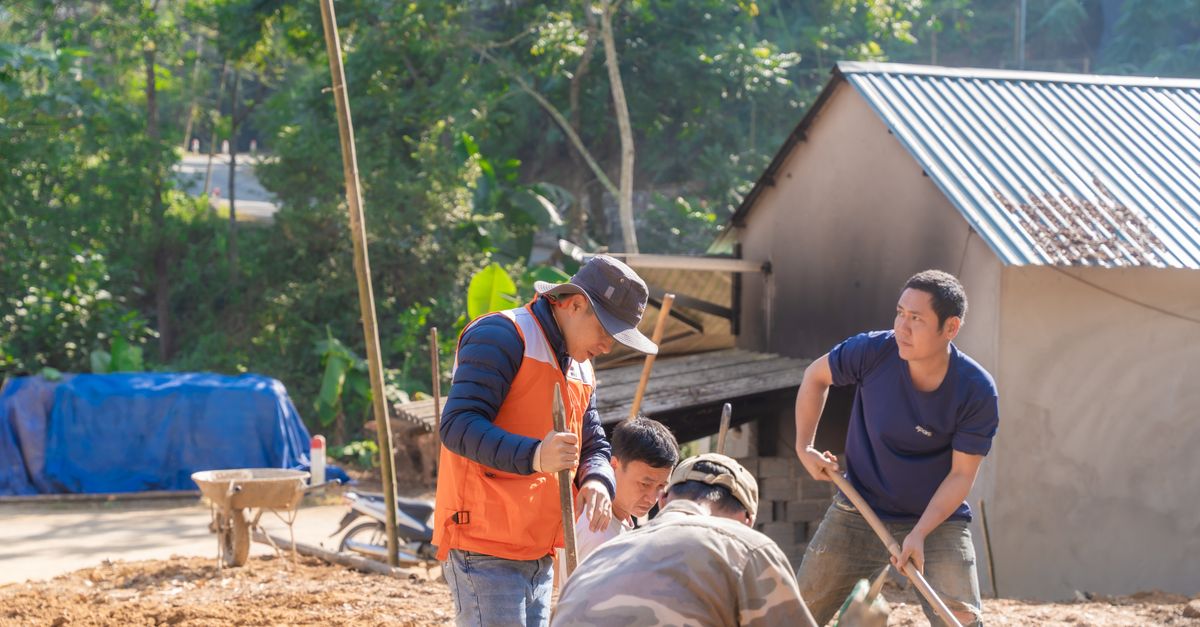
- Embed yourself in the community you serve. You can’t transform what you don’t understand.
- Create value before you ask for anything. The bakery came before the building fund.
- Measure what matters. They track health outcomes, loan repayments, and job placements — not just attendance.
- Let people keep their dignity. No one is forced to convert, join, or give. Transformation happens by invitation, not imposition.
The next time you hear about a church in the Volta Region, don’t just think about Sunday services. Think about bread. Think about blood pressure checks. Think about a 22-year-old learning phone repair under a mango tree.
That’s transformation you can bank on.