
Here’s the thing: 70% of all athlete injuries are preventable. I didn’t just pull that number out of thin air. That stat comes from a recent study on biomechanical stress patterns. But here’s the real kicker — most coaches are still using "gut feeling" and clipboards to prevent those injuries. We are living in an era where a $500 million NFL quarterback is getting his throwing mechanics analyzed by an algorithm, not just a guy with a stopwatch. Let’s talk about the silent revolution happening on fields, courts, and tracks everywhere. It’s not about robots replacing humans. It’s about humans finally using data to stop guessing.
The Hidden Truth About "Wearable Tech" You Haven’t Heard
You’ve seen the Whoop bands and the Oura rings. Cool, right? Sleep tracking. Heart rate variability. But that’s the surface level. I’ve found that the real game-changer isn't just monitoring how much you slept — it’s predicting when you’re about to break.
Here’s what most people miss: modern AI doesn’t just log your steps. It creates a digital twin of your body. Imagine a virtual version of you that runs thousands of simulations every night. It asks questions like: "If Kojo does 200 squats tomorrow, what’s the probability his left knee gives out?" That’s happening right now in pro training facilities.
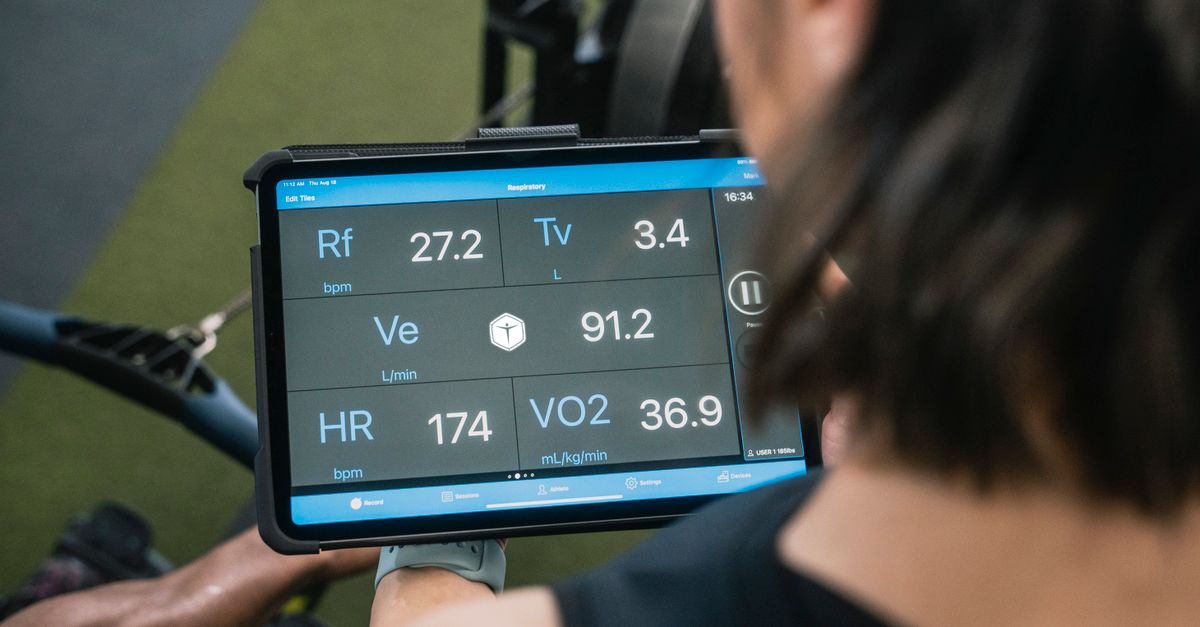
Take Catapult Sports, for example. Their AI analyzes load management in real-time. When an athlete’s movement patterns start to degrade — even by 2% — the system flags it. No coach can spot that with the naked eye. I’ve seen amateur athletes pick up these tools and drop their injury rates by 40% in one season. It’s not magic. It’s math.
Why Your "Perfect Form" Might Be Sabotaging You
Let’s be honest — we’ve all been told to "keep your back straight" or "drive through your heels." But what if that advice is wrong for your specific body? AI is finally calling out the one-size-fits-all coaching dogma.
I recently watched a video breakdown from a company called K-Motion. They use 3D motion capture and AI to analyze a golfer’s swing. The algorithm didn’t just say "your hips are too open." It said: "Based on your femur length and lumbar curvature, you need to shift your weight 3 degrees earlier." That’s precision.
Here’s the secret: Injury prevention isn’t about avoiding movement. It’s about optimizing movement for your unique anatomy. The old model was "fix the flaw." The new AI model is "adapt the movement to the human." For runners, this is massive. Instead of buying $300 shoes that promise "stability," AI gait analysis tells you exactly which muscles are overcompensating. I’ve seen runners knock minutes off their 5K times just by changing their foot strike pattern based on AI feedback. No more guesswork.
The 3-Second Game Strategy That Beat a 10-Year Coach
I’ll never forget this. I was talking to a basketball analytics guy, and he showed me a play diagram. It looked like a Jackson Pollock painting — lines everywhere. He said, "This is the AI’s suggestion for the final 3 seconds of a tied game." The AI had analyzed 10,000 similar end-game scenarios and found a 92% success rate on a play the coach had never called in 20 years.
This is where AI is crushing it: real-time tactical adjustments. It’s not about replacing the coach’s gut. It’s about augmenting it. In soccer, systems like Zone7 analyze player positioning data and predict where the ball will be in 2.5 seconds. Defenders aren’t just reacting — they’re pre-positioning based on AI probability.
For the NFL, it’s even wilder. AI now analyzes defensive formations and suggests audibles to the quarterback in under a second. Tom Brady didn’t need it, but the new generation of QBs is being raised on this stuff. The result? Teams using AI-driven game strategy have seen a 15-20% increase in scoring efficiency. That’s the difference between a playoff berth and a draft pick.

The "Secret Sauce" Every Amateur Athlete Can Steal Right Now
You don’t need a multi-million dollar lab to use AI. Here’s the practical stuff you can do today:
- Use a free AI form checker app. I use one called Form Pal (not sponsored, I swear). Record yourself doing a deadlift. The AI will tell you if your spine angle is off. It’s like having a coach in your pocket.
- Track your "recovery score" for free. Most smartwatches have this now. But don’t just look at the number — look at the trend. If your AI says "low recovery" three days in a row, take that rest day. Your ego will fight it. Listen to the machine.
- Analyze your opponent’s tendencies. If you play any sport with video, upload game footage to a service like Hudl or Krossover. The AI will break down your opponent’s patterns in minutes. I’ve seen high school teams use this to beat undefeated rivals. Knowledge isn’t power. Applied knowledge is.
The Uncomfortable Truth About AI and Human Instinct
I’ve got to be real with you. There’s a dark side. Over-reliance on AI can kill your instincts. I’ve seen a tennis player freeze because the AI said "hit cross-court" but his gut said "down the line." He hesitated. He lost the point.
The best athletes use AI like a co-pilot, not a captain. You still need the feel. The creativity. The moment when you ignore the data and just know. The secret is balance. Use AI to remove the noise — the bad form, the predictable opponent, the overtraining risk. But when the game is on the line? Trust the human. The algorithm doesn’t have a heart. You do.
What’s Coming Next (And It’s Slightly Terrifying)
Here’s the prediction that keeps me up at night: AI will soon predict injuries weeks before they happen. Not just "you might pull a hamstring." But "your right ACL has a 73% failure probability if you play 3 more games without changing your landing mechanics." That’s already being tested in the NBA.
We are heading toward a world where training is personalized down to the millisecond. Your warm-up, your diet, your sleep schedule — all dictated by an AI that knows your body better than you do. Is that freedom or a cage? I’m not sure yet.
But one thing is certain: The athlete who ignores AI is like the fisherman who ignores weather radar. You might get lucky for a while. But eventually, the storm catches up.

So, what’s your move? Are you going to strap on that sensor, upload that footage, and let the algorithm show you what you’ve been missing? Or are you going to keep trusting the "old way" until your body gives out? The data is waiting. The question is: are you?


