I woke up that Sunday morning with a growling stomach and a deep, gnawing emptiness that had nothing to do with hunger. It was 8:30 AM, and I was standing outside the Christ Embassy Loveworld Arena in Ho, Volta Region, clutching a takeaway container of jollof rice from a roadside vendor. The irony wasn't lost on me. I was about to enter a church service, but my soul felt like it was running on fumes — and I wasn't sure if the Holy Spirit or the jollof was going to fix me first.
Let's be honest: most of us treat Sunday mornings like a race against time. You scramble to find something decent to eat, rush to get dressed, and then sit through a service while your stomach audibly growls during the "Amen." But what if I told you that the 9AM Sunday service at Christ Embassy Loveworld Arena in Ho is actually a hidden gem for food lovers? Not just spiritual food, but the real, tangible, "I-need-to-feed-my-soul-and-my-belly" kind of food.
I've been to my fair share of churches across Ghana, from the mega-ministries in Accra to the intimate prayer cells in the Volta Region. But this one? It broke the mold. Here's why.
The Morning Ritual That Changed My Sunday
The first thing you notice when you pull up to the Loveworld Arena is the smell. It's not incense or candle wax — it's the unmistakable aroma of waakye simmering in leaves, grilled tilapia sizzling on charcoal, and fresh bofrot (those fluffy, golden dough balls) being dropped into hot oil. At 8:15 AM, the parking lot is already buzzing with food vendors who've set up shop like clockwork. They know the crowd. They know the service starts at 9AM. And they know that hungry worshippers are their best customers.
I almost missed the entrance the first time. I was too busy eyeing a woman who was expertly wrapping kenkey in banana leaves, her hands moving like a machine. "You're early," she said with a grin. "The best banku and okro stew doesn't sell out until after the first praise song."
Here's what most people miss: this service isn't just about the sermon. It's a full-sensory experience. The worship team starts warming up around 8:45 AM, and the sound of drums blends with the sizzle of frying plantains. You'll see families arriving with coolers, thermoses, and even portable stoves. The parking lot becomes a makeshift food court — and I don't say that lightly.
I made a mistake my first time. I thought I'd grab a quick bite after service. Big mistake. By 10:30 AM, the jollof was gone, the fufu was cold, and I was left staring at a sad plate of gari and groundnuts. Never again.
The Secret Menu of the 9AM Service
Let's get into the specifics, because this isn't your average church concession stand. The Christ Embassy Loveworld Arena in Ho has cultivated a unique food culture that I've only seen in a few places in West Africa. It's an unspoken code — you learn it after a few Sundays.
The 3 things you absolutely must try before the service:
- The Waakye from Auntie Mami's stall – She sets up near the main gate, and her waakye is legendary. The rice and beans are cooked with a hint of millet leaf, giving it that deep purple color. She tops it with shito, spaghetti, and a boiled egg. Pro tip: Get there by 8:20 AM or risk the queue wrapping around the parking lot.
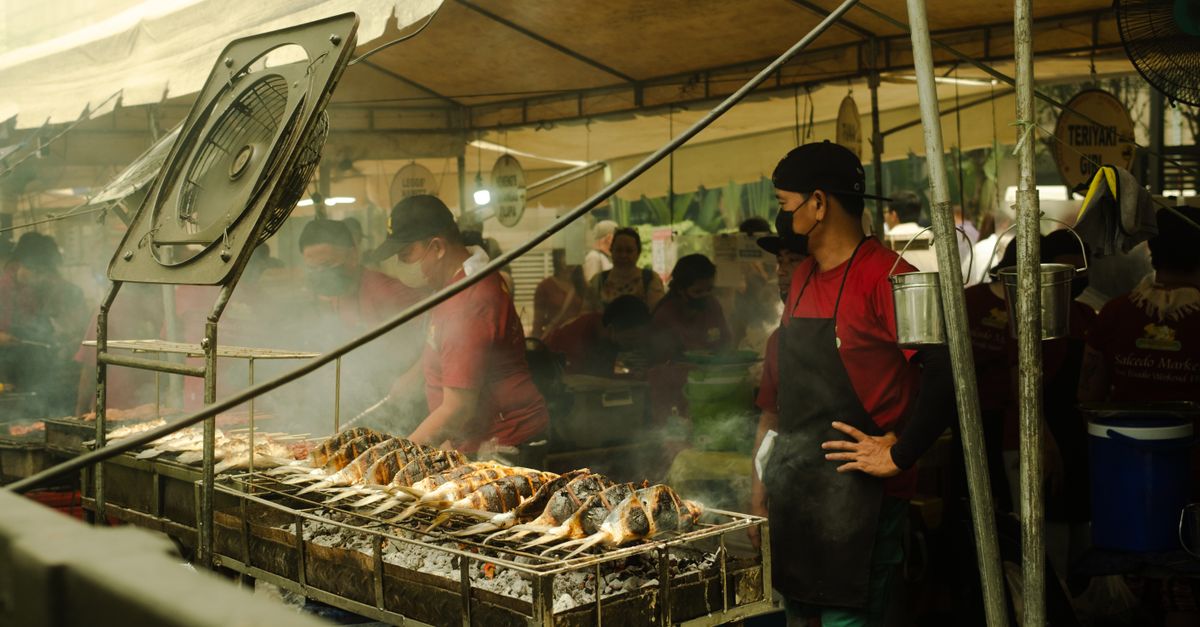
- The Freshly Grilled Tilapia – There's a guy named Kwame who grills tilapia on a drum right next to the sound system. The fish is marinated in a ginger-garlic-pepper paste that'll clear your sinuses and wake up your spirit. He serves it with banku or fried yam. Ask for extra pepper — trust me, it's worth the tears.
- The Bofrot and Koko – This is for the early birds. A lady named Esi sells bofrot (Ghanaian doughnuts) that are light, airy, and still warm. She pairs it with koko (fermented corn porridge) that's sweetened with asana (a local sweetener). It's the perfect pre-service breakfast — light enough to dance during praise, filling enough to keep you from fainting during the offering.

The Food-as-Fellowship Phenomenon
I've found that the 9AM service at Christ Embassy Loveworld Arena is a masterclass in community building through food. But it's not just about eating — it's about sharing.
During the announcements, the pastor often mentions which families are hosting "feeding tables" after service. These are informal gatherings where members bring dishes to share. I've been invited to tables that had light soup with goat meat, jollof rice with fried chicken, and even pizza (yes, pizza in Ho). The unspoken rule is: you bring something, you eat something. But even if you come empty-handed, someone will insist you join them.
The real magic happens between 10:30 AM and 11:00 AM. That's when the service ends, and the parking lot transforms into a communal dining hall. Families unfold plastic chairs, spread out mats, and break bread — literally. I've seen strangers become friends over a shared platter of fufu and groundnut soup. I've watched businessmen negotiate deals while eating kelewele from a paper cone.
Let's be honest: church food in Ghana is often an afterthought. You get a dry biscuit and some weak tea if you're lucky. But here, the food is the main event. The service is the framework, but the fellowship is fueled by kenkey, fried fish, and pepper sauce.
One Sunday, I sat next to a man who had driven all the way from Akosombo just for this service. He told me, "I come for the Word, but I stay for the banku." He wasn't joking. He had a cooler full of okro stew, and he shared it with three strangers. By the time we finished, we had exchanged phone numbers and promised to meet next Sunday.
The Breakfast of Champions (Literally)
Here's the truth: The 9AM service at Christ Embassy Loveworld Arena isn't for the faint of heart. The worship is high-energy, the preaching is intense, and by the time you leave, you're spiritually full but physically drained. That's why the food isn't optional — it's essential.
I've noticed a pattern. The most vibrant worshippers are the ones who ate well before the service. The ones who skipped breakfast? They're the ones fanning themselves during the third song, looking like they're about to tap out. The food isn't a distraction; it's fuel.
The vendors know this. They've optimized their menus for the church crowd. Auntie Mami's waakye is designed to be eaten on the go — it's wrapped in a way that lets you eat it with one hand while raising the other in praise. Kwame's grilled tilapia comes with a side of gari that you can scoop with your fingers without making a mess. Esi's bofrot are bite-sized, perfect for quick consumption between songs.
But there's a deeper lesson here. In a region where food can be scarce and expensive, the church has become a hub of food security. I've seen families buy waakye in bulk and take it home for the week. I've seen vendors give away free bofrot to children whose parents couldn't afford it. The 9AM service isn't just a spiritual gathering — it's a lifeline.

The Hidden Costs and Surprising Benefits
Let's be real: eating at church can be expensive if you're not careful. A plate of waakye with all the fixings can cost you 20-25 cedis. Grilled tilapia with banku? That's 30-40 cedis. If you're bringing a family of four, you could easily spend 100-150 cedis on food alone. That's not pocket change.
But here's the secret: The vendors are open to negotiation, especially if you're a regular. Auntie Mami gives me an extra scoop of shito just because I've been coming for three months. Kwame once threw in a free pepper sauce when I told him his fish was the best in Ho. Build relationships, and the food gets better.
Another thing: The food is actually healthier than what you'd get at most restaurants. The vendors use fresh ingredients, cook in palm oil (the good kind), and avoid preservatives. Auntie Mami told me she buys her beans from a local farmer and her fish from the Volta Lake market every Saturday. You're eating farm-to-table, church-style.
But the biggest benefit? The food at Christ Embassy Loveworld Arena has taught me something about community. In a world where we're constantly rushing, where fast food and delivery apps have replaced shared meals, this church service reminds us that food is meant to be shared, not just consumed.
What I Learned After 10 Sundays
I've been attending the 9AM Sunday service at Christ Embassy Loveworld Arena for three months now. I've tried every vendor, sampled every dish, and sat with at least a dozen different families. Here's what I've learned:
- The best time to arrive is 8:15 AM. You beat the rush, get first pick of the food, and can find a good seat inside the arena.
- Bring your own container. Some vendors offer discounts if you bring your own bowl or cooler. Plus, you'll save the environment.
- Don't be afraid to walk around during the announcements. That's when the food is freshest, and the vendors are most willing to haggle.
- Always try something new. I discovered akyeke (cassava couscous) from a vendor near the back gate. It changed my life.
So here's my challenge to you: Next Sunday, skip your usual routine. Don't eat breakfast at home. Don't grab something from a roadside vendor on the way. Come to the 9AM service at Christ Embassy Loveworld Arena in Ho, Volta Region. Arrive hungry — both in spirit and in body. Let the worship stir your soul, and let the food nourish your body. And when you sit down with a stranger to share a plate of fufu, remember: you're not just eating. You're fellowshipping.
And if you see me there, sitting next to Auntie Mami's stall with a plate of waakye and a smile, come say hello. I'll save you a seat.