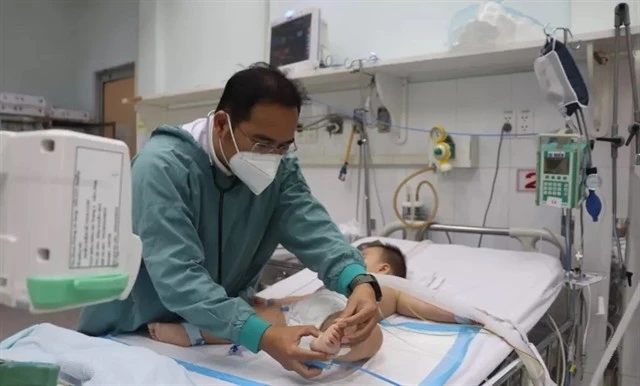
Ho Chi Minh City began a citywide campaign on October 31 to strengthen prevention of hand, foot and mouth disease (HFMD), after the municipal Department of Health reported more than 44,000 cases since the start of the year, according to Vietnam+ (VietnamPlus). The figure represents a rise of over 65% compared with the same period last year. Health authorities have also recorded five deaths and more than 1,600 outbreaks.
The department warned that transmission risks are growing in schools and childcare facilities. The circulation of Enterovirus 71 (EV71), a strain linked to severe complications and potentially fatal infections, has added to concern, especially for young children.
Why it matters
HFMD spreads easily among small children, and the settings where they gather — kindergartens, childcare groups and vaccination facilities — are central to the city's response. The campaign, which runs until the end of 2026, brings local authorities, healthcare facilities and educational institutions together to limit transmission and find infections early.
Speaking at the launch ceremony for the drive against both dengue fever and HFMD, Deputy Director of the Department of Health Huynh Minh Chin said the rising number of infections at kindergartens and childcare facilities required urgent action to strengthen disease surveillance and control, Vietnam+ (VietnamPlus) reported.
Daily monitoring and weekly disinfection ordered
The Ho Chi Minh City Centre for Disease Control (HCDC) has told all kindergartens, childcare groups and paediatric vaccination facilities to clean and disinfect at least once a week, and to do so more often when infections or outbreaks are found.
These facilities must also check children's health every day, spot suspected cases early and notify local health stations without delay. Parents are asked to cooperate closely with schools, keep children with suspected or confirmed infections at home as medical guidance advises, and maintain good hygiene to reduce spread.
Health authorities also recommend that caregivers wash their hands regularly with soap and clean water — particularly before preparing food or feeding children, and after changing nappies or cleaning children. Toys, furniture, floors and surfaces that are touched often should be cleaned and disinfected regularly.
The campaign also calls for stronger disease surveillance, inspections of educational facilities and early identification of severe cases at healthcare facilities so that treatment and referral happen in time.
Dengue cases also climbing
Alongside HFMD, the city has recorded more than 42,500 dengue fever cases since the beginning of the year, including 11 deaths, with infections showing signs of rising again during the rainy season. Authorities are urging households to remove stagnant water, eliminate mosquito breeding sites and keep their surroundings clean to prevent further transmission.
The national picture reported by Vietnam+ (VietnamPlus) shows the pressure is not confined to Ho Chi Minh City. Nearly 100,000 infectious disease cases were logged across the country so far this year, more than 2.5 times the figure for the same period last year, and case numbers remain high in southern cities and provinces. In the first three months of the year, more than 25,000 HFMD cases were recorded nationwide, with about 18,000 — nearly 72% — concentrated in southern provinces. Most infections were in children under 10, who made up 99.3% of cases, and those aged one to five accounted for the largest share at 92.7%, a pattern attributed to close contact in kindergartens and limited hygiene practices.
What to watch: whether case numbers fall during the campaign's run to the end of 2026, and how schools and childcare facilities handle daily health checks and disinfection as the rainy season continues.





