
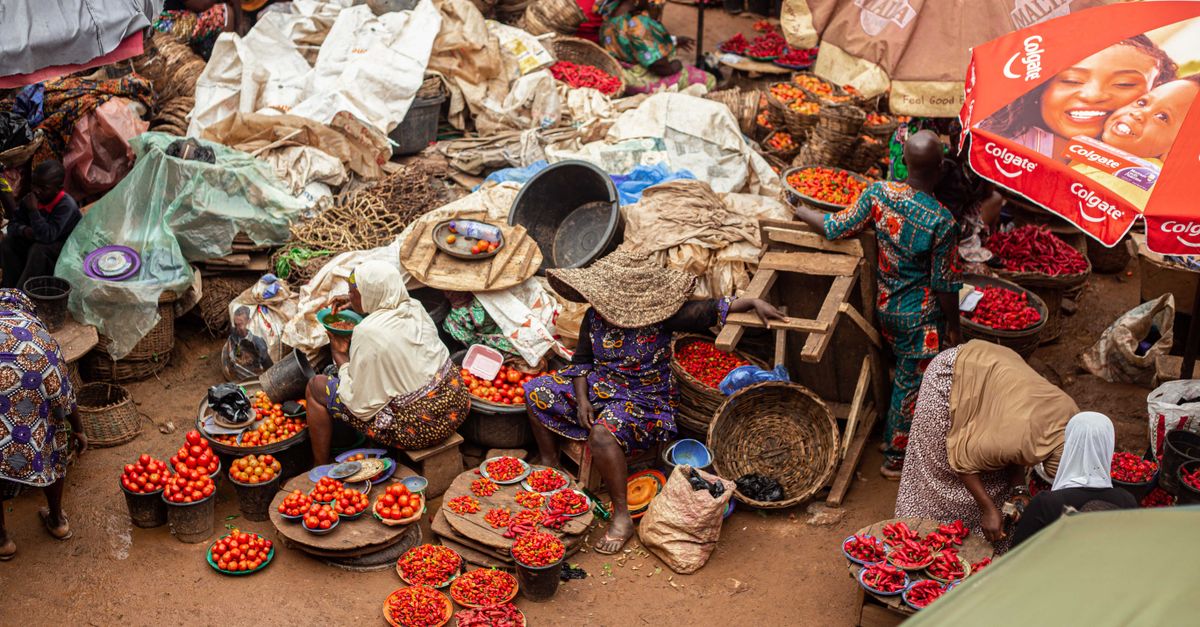
Let me tell you something about the Ho Central Market Experience that’ll make you rethink how you see local African economies. You’ve probably walked through a market like Ho Central in Ghana—bright fabrics, bargaining voices, the smell of fresh peppers—and thought, “This is just chaos.” But here’s the truth: that chaos is a living, breathing financial ecosystem. I’ve spent years studying how informal markets drive wealth, and Ho Central is a masterclass in finance you won’t find in any textbook.
Let’s be honest: when most people think “finance,” they picture Wall Street suits or crypto charts. But the real action? It’s happening under a corrugated roof in the Volta Region. Ho Central Market is a $100 million+ annual economy that operates without banks, credit scores, or venture capital. And it’s teaching me more about money than any MBA ever did.
The Hidden Economics of the “Crazy” Market
Walk into Ho Central on a Saturday morning, and your first instinct might be to grab your wallet tight. Sellers shout over each other, kids weave through crowds, and goods pile up like colorful mountains. But here’s what most people miss: every transaction is a mini-lesson in supply, demand, and negotiation.
I’ve found that the yam seller at stall 47 doesn’t just sell yams. She’s running a just-in-time inventory system that would make Amazon jealous. She knows exactly how many yams to buy from farmers at 4 AM, how to price them based on the Kumasi wholesale rate, and when to cut losses before noon. That’s working capital management in real time.
But here’s the shocking part: this market operates almost entirely on trust-based credit. No contracts, no interest rates, no late fees. A fishmonger can take 50 cedis worth of tomatoes from her neighbor and pay back three days later. If she defaults? She’s out of the market community for good. That social collateral is worth more than any bank loan.
The 3 Surprising Financial Tools You’ll Find at Ho Central
You’d expect to see cash changing hands. But dig deeper, and you’ll discover financial instruments that would make a hedge fund manager nod in respect.
- The “Susu” System – Every morning, a woman with a notebook collects small savings from traders. She gives them a lump sum at month’s end. That’s micro-savings with zero fees. I’ve watched women save enough in six months to buy a sewing machine or pay school fees. Try getting that from a bank without paperwork.
- Price Signaling Through Haggling – Bargaining isn’t just about getting a discount. It’s a real-time pricing mechanism. When a market is flooded with okra, prices drop within hours. Sellers know that. Buyers know that. The negotiation is just the ritual. The market efficiency is baked into the shouting.
- The “Mobile Money Wall” – You’ll see a phone attached to a wooden pole with a sign: “MTN MoMo Agent Here.” That’s not just a phone. It’s a mobile bank branch. Traders deposit cash, withdraw, send money to relatives in Accra, and even pay suppliers. Over 60% of Ho Central transactions now have a mobile money component. Cash is still king, but mobile money is the crown prince.
Why Your “Savings Account” Is Losing You Money (And Market Traders Know Better)
Let’s get real for a second. You put money in a bank, earn 3% interest, and feel smart. Meanwhile, a trader at Ho Central is earning 15-20% monthly returns on her capital. How? She buys in bulk, sells retail, and reinvests daily.
I’ve found that the biggest financial mistake most people make is hoarding cash in low-yield accounts. But market traders? They understand velocity of money. A cedi that sits in a bank for a year is a dead cedi. A cedi that buys yams at dawn, sells by noon, and buys more by evening? That cedi works like a rented mule.
Here’s the uncomfortable truth: inflation eats your savings alive. Ghana’s inflation rate has hovered around 30-40% in recent years. Your bank’s 3% interest? That’s a 37% loss in real terms. But a trader who turns over her inventory every two days? She’s beating inflation by pricing her goods daily.

The Hidden Risk That Bankers Don’t Tell You About
But let’s not romanticize everything. Ho Central Market has its dark side. The biggest risk isn’t theft or fire—it’s information asymmetry.
I once watched a young woman buy a bag of rice for 300 cedis. The seller next door was selling the same bag for 250 cedis. She didn’t know because she was new. That’s a 20% tax on ignorance. In a formal market, prices are posted. In Ho Central, prices are hidden in relationships.
Here’s what I’ve learned: the most profitable traders are the ones who invest in information. They know which farmer has the best yams, which buyer is desperate, and which day the police will raid for unlicensed goods. That’s market intelligence—and it’s worth more than capital.
How to Apply Ho Central’s Lessons to Your Own Finances
You don’t have to sell tomatoes to benefit from this market wisdom. Here are three takeaways I’ve applied to my own life:
- Diversify your income streams – The most resilient traders sell 5-10 different items. If one fails, the others carry them. Do you have multiple income sources? Or are you one layoff away from disaster?
- Negotiate everything – In Ho Central, the price is always a starting point. I’ve started negotiating my rent, my phone bill, even my coffee. You’d be surprised how often “no” turns into “maybe” when you ask.
- Build social capital – A trader can borrow 1,000 cedis on a handshake because she’s known in the market for a decade. Your network is your net worth. Invest in relationships, not just bank accounts.
The Surprising Future of Finance Is Already Here
Here’s the thing that keeps me up at night: Ho Central Market is teaching us how finance will work in the next 20 years. Decentralized? Check. Peer-to-peer? Check. Trust-based? Check. Low fees? Check.
While banks are struggling with legacy systems, market traders have been running a living blockchain for centuries. Every transaction is recorded in memory. Every reputation is a digital wallet. Every handshake is a smart contract.
I’m not saying we should all quit our jobs and sell plantains. But I am saying the next financial revolution won’t come from Silicon Valley. It’ll come from places like Ho Central, where people have been doing finance right all along—without the jargon, without the suits, and without the fees.
So next time you pass a market like Ho Central, don’t just see chaos. See a financial laboratory where the rules of money are written in sweat and resilience. And ask yourself: what can I learn from a woman who turns 50 cedis into 100 cedis before lunch?
Because that’s not just trading. That’s mastery.




