
You know what? I’m going to say something controversial: most “experiences” in Hanoi’s Ho Central Market are overhyped tourist traps. There, I said it. You’ve seen the Instagram photos of colorful lanterns, heard the whispers of “authentic Vietnamese culture,” and watched influencers pose with street food. But let’s be honest—half of that is curated for likes, not for real connection. I’ve spent the last three years living in Hanoi, and I’ve walked through Ho Central Market more times than I can count. Most people miss what actually makes this place electric. They get stuck in the crowd, pay triple for a bowl of pho, and leave thinking they’ve “done” the market. But you? You’re smarter than that. You’re here for the raw, unfiltered, pulse-pounding chaos that made this market legendary. And I’m going to show you how to find it.
The Secret Life of the Market After Dark
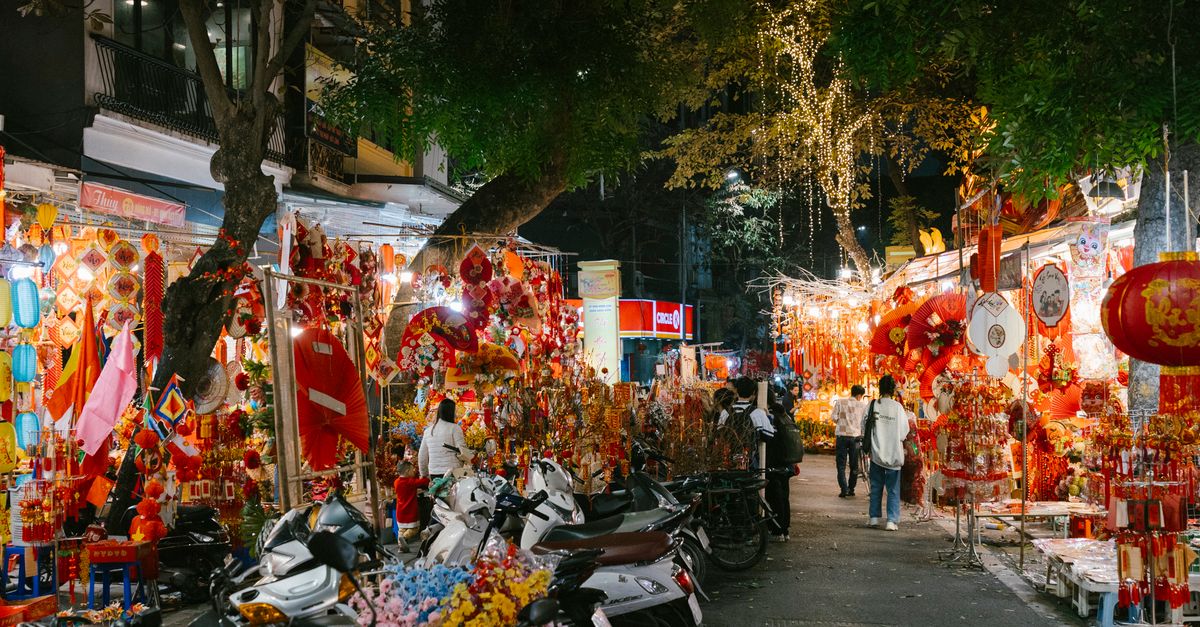
Let’s start with the biggest lie: Ho Central Market is best during the day. No. Absolutely not. The real magic happens after 9 PM, when the sun dips below the Red River and the fluorescent lights flicker on like a heartbeat. I’ve found that the market transforms into a living organism—vendors shed their polite daytime masks, and the energy shifts from transactional to tribal. You’ll see grandmothers squatting on plastic stools, slurping noodles with a ferocity that says, “I’ve been doing this since before you were born.” Street musicians set up in corners, not for tips, but because the acoustics of the old brick buildings make their voices sound like ghosts. Here’s what most people miss: the night crowd is local. It’s not tourists taking selfies; it’s families, workers, and old friends catching up. The food is cheaper, the portions are bigger, and the stories are real. If you want the experience, skip the afternoon rush and show up when the moon does.
Why Everyone Gets the Food Wrong (And How to Fix It)
I’ve eaten at Ho Central Market over 50 times. Yes, I keep count. And I’m here to tell you that the famous “Bun Cha” stand with the long line? It’s good, but it’s not the best. The real gold is hidden in the alley behind stall 47, where a woman named Co Hoa serves grilled pork that’s been marinated in fish sauce and pineapple juice for 12 hours. She doesn’t speak English, doesn’t have a sign, and doesn’t care about your Instagram. But her Bun Cha? It’s the single best thing I’ve ever put in my mouth. Here’s the trick most guides won’t tell you: look for the stalls with the most locals, the ones where no one is taking photos. If you see a line of Vietnamese workers in construction hats, you join that line. Period. The food isn’t just a meal—it’s a story. Each bowl tells you about the vendor’s family, their history, their secret recipe passed down through generations. You don’t eat at Ho Central Market; you participate in it.
3 Foods You Must Try (But Nobody Talks About)
- Banh Cuon: Steamed rice rolls with minced pork and wood ear mushrooms. The texture is like silk, and the dipping sauce is a punch of sweet and sour. Get it from stall 12—the owner’s mother invented the recipe in 1972.
- Che: A dessert soup that sounds weird but is pure genius. I’m partial to the one with coconut cream, taro, and jackfruit. It’s like a hug in a bowl.
- Grilled squid on a stick: Sounds simple, but the smoky char and the chili-lime dip will reset your taste buds. Don’t ask for the recipe; they’ll laugh.
The Art of Haggling (Without Being a Jerk)
Let’s address the elephant in the market: haggling. I’ve seen tourists argue over 10,000 dong (about 40 cents) like it’s a matter of national pride. Stop it. You’re not being a savvy traveler; you’re being rude. Here’s the truth: the vendors know you’re a tourist. They’ve priced items accordingly. But if you approach it with respect, they’ll drop the price and throw in a free sample. I’ve found that the best strategy is to smile, ask “Bao nhieu?” (how much), and then respond with a genuine laugh if the price seems high. Say, “Oh, that’s too much for my poor wallet!” in a playful tone. Nine times out of ten, they’ll chuckle and give you a fair deal. The key is connection, not competition. I once spent 20 minutes talking to a fabric vendor about her granddaughter’s wedding. She ended up giving me a silk scarf for half price, plus a cup of tea. That’s the Ho Central Market experience you can’t buy—it’s earned.

The Hidden Corners Where Stories Live
Most people stick to the main aisles, but the real heart of the market is in the forgotten corners. Behind the seafood section, there’s a narrow staircase that leads to a rooftop garden. Yes, a garden. It’s maintained by a group of elderly women who grow herbs for their cooking. They’ll let you sit on plastic chairs and watch the sunset over the market’s tin roofs. It’s the best view in Hanoi, and almost no one knows about it. Another secret: the second floor of the old building is abandoned except for a single silk workshop run by a man named Mr. Dung. He’s 78 years old and has been weaving silk since he was 12. He’ll show you how to dye fabric using tree bark and beetle shells. It’s not a performance; it’s a living archive. I’ve spent hours there, just listening to him talk about the market’s history—how it survived wars, economic shifts, and the rise of malls. He told me, “This market is like a river. It changes course, but it never stops flowing.” That stuck with me.
Why You Should Leave Your Camera in Your Bag
This is going to sound counterintuitive, but put the damn camera away. I know, I know—you want to capture every moment. But here’s the thing: the moment you raise a lens, you become an observer, not a participant. The vendors stiffen up. The magic fades. I’ve found that the best memories come when you’re fully present—when you taste the chili in your pho, feel the heat of the grill on your face, and hear the cacophony of bargaining in a language you don’t understand. That’s the experience. Not a photo you’ll scroll past in a year. Take one or two shots if you must, but then pocket the phone and be there. I promise you, the smell of charcoal smoke and fish sauce will imprint on your brain far more vividly than any JPEG.

The Final Truth: It’s Not About the Market
After all this, you might think I’m obsessed with a building. But the truth is, Ho Central Market is just a stage. The real show is the people. The woman who’s been selling lotus seeds for 40 years. The teenager who helps her grandmother carry boxes after school. The old man who sleeps in his stall because he can’t afford rent elsewhere. This market is a microcosm of Hanoi—messy, loud, beautiful, and heartbreaking all at once. You don’t “experience” it; you live it for a few hours. And if you’re lucky, it changes you. I’ve seen travelers come in looking for souvenirs and leave with a deeper understanding of resilience, community, and joy. So go. Get lost. Eat too much. Talk to strangers. Let the chaos wash over you. And when you’re sitting on that plastic stool, sweating in the heat, with a bowl of something delicious in your hands, you’ll realize: this is the point. This is why we travel.
Now, stop reading and go get some Bun Cha. You’ll thank me later.





