
I was 12 years old, sitting cross-legged on my bedroom floor, holding a wrinkled $20 bill I’d saved from mowing lawns. My mission? Buy a “game cartridge” from a kid down the street. We swapped it in a brown paper bag, like some digital drug deal. I ran home, blew into the slot, and prayed. The screen flickered. Super Mario Bros. loaded. I didn’t know it then, but I was holding a piece of history—a plastic tombstone for an empire that would soon vanish.
Fast forward twenty years. I’m cleaning out my parents’ attic, and I find that same cartridge. It’s worthless now. But the story of how it got there? That’s worth its weight in gold. Because the history of technology isn’t about circuits and code—it’s about the human moments we forget. The panic, the joy, the sheer absurdity of it all.
Let’s rip open that history book, but skip the boring parts. I’m talking about the dirty secrets, the forgotten failures, and the 3 things that actually shaped the tech you use today.

The Birth of the “Killer App” (And the Floppy Disk That Almost Killed It)
Here’s what most people miss: the first “killer app” wasn’t a game or a word processor. It was a spreadsheet. VisiCalc, released in 1979 for the Apple II, turned the personal computer from a hobbyist toy into a business weapon. Accountants went nuts. Suddenly, you could change a number and watch your entire budget recalculate in seconds—without a calculator and a headache.
I’ve found that the real story is more chaotic. The creators, Dan Bricklin and Bob Frankston, built it in a tiny office while eating pizza and sleeping under desks. They didn’t know they were inventing the template for every software empire that followed. But here’s the kicker: the floppy disk nearly destroyed them. Early distribution was a nightmare. They had to mail disks in padded envelopes, and half arrived broken. Imagine trying to launch a SaaS product today if your servers were made of paper and glue.
Let’s be honest: we romanticize the “garage startup” era, but the logistics were a dumpster fire. The lesson? Even game-changing ideas need a distribution channel that doesn’t suck. Today, we complain about app store fees. Back then, you prayed your disk wouldn’t get bent in the mail.
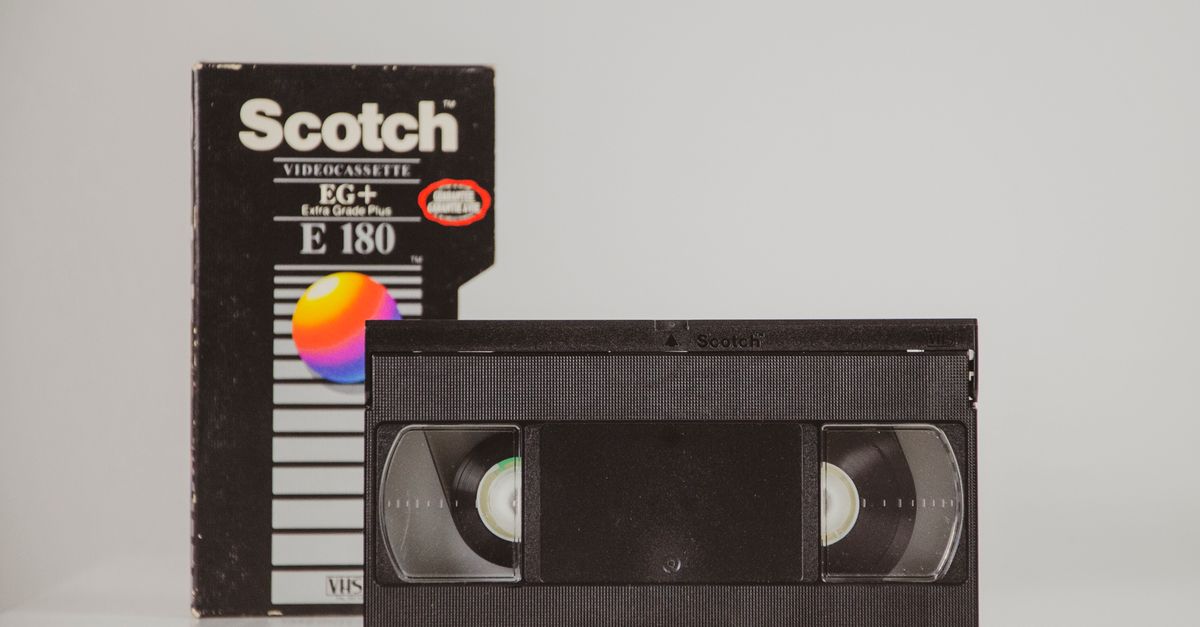
The Forgotten War: VHS vs. Betamax (Why We Almost Had a Different World)
You’ve heard the tale: Betamax was technically superior, but VHS won because it was cheaper and let you record longer. That’s the sanitized version. The real war was dirtier. Sony kept Betamax proprietary like a jealous dragon hoarding gold. JVC, the VHS backer, said, “Hey, everyone, use our format for free!” They licensed it to anyone with a factory.
Here’s what I remember: my dad bought a Betamax player in 1983. He was so proud. “Better picture quality!” he’d say. Then we went to rent a movie, and the store had 50 VHS tapes and one Betamax shelf collecting dust. We ended up watching the same three movies on loop for a year.
The secret? Open ecosystems often beat superior technology. It’s a pattern that repeats: Android vs. iOS, Blu-ray vs. HD DVD, even USB-C vs. that weird Lightning cable you’re still using. History doesn’t reward the best—it rewards the most accessible. I’ve seen startups die because they refused to play nice with others. Don’t be Betamax.
The Internet’s Ugly Baby: AOL and the Sound of Doom
Remember that screeching, static-filled sound of a dial-up modem connecting? That was the sound of history. AOL sent out millions of free trial CDs—literally enough to cover the Earth in frisbees of frustration. My family had a stack of them in the kitchen drawer. We used them as coasters.
But AOL wasn’t just a service; it was a walled garden. You couldn’t browse the real web—only AOL’s curated content. It felt safe, like a digital daycare. Here’s what most people miss: AOL nearly killed the open internet. If they’d succeeded in keeping users inside their bubble, we’d all be using a proprietary, ad-ridden version of the web today. No Google. No Wikipedia. Just “Keyword: Shopping.”
The turning point? Broadband. When cable modems hit the scene in the late 90s, AOL’s dial-up empire crumbled overnight. I remember the day my dad switched to DSL. He looked at the AOL CD stack, laughed, and threw them all in the trash. The lesson? Don’t build a moat around your users—give them a bridge. Otherwise, a faster horse will run you over.
The Smartphone Revolution: A Story About a Stylus and a Suit
Before the iPhone, there was the Palm Pilot. And before that? The Apple Newton. The Newton was a disaster. It was bulky, had terrible handwriting recognition, and cost a fortune. I remember seeing a guy in a suit try to write “meeting” on it, and the device thought he wrote “meatloaf.” He threw it against the wall.
Steve Jobs killed the Newton when he returned to Apple in 1997. But he didn’t just kill it—he learned from it. The iPhone was the Newton’s ghost, redesigned with a touchscreen and no stylus. Jobs famously said, “Who wants a stylus? You have to get it, put it away, lose it. Yuck.” And he was right.
Here’s the hidden pattern: every revolutionary product is a response to a previous failure. The iPhone wasn’t born from a blank page—it was born from the ashes of a terrible tablet. I’ve found that the best innovations aren’t “new” ideas; they’re old ideas fixed. So next time you fail, don’t bury it. Ask yourself: “What did I learn that I can use to build something better?”

The Cloud: Your Data Lives in a Desert
We think of the cloud as this magical, fluffy thing in the sky. The truth is boring: it’s a warehouse full of hard drives in the middle of a desert. Amazon Web Services (AWS) started in 2006, but the idea came from necessity. Amazon had too much server capacity during the holidays, so they thought, “Why not rent it out?”
Here’s what most people miss: the cloud isn’t infinite. It runs on electricity and water. Data centers in Arizona use millions of gallons of water to keep servers cool. I’ve seen photos of those facilities—they look like alien structures in the sand. Your cat videos are literally draining a reservoir.
The cloud also created a new kind of dependency. If AWS goes down, half the internet breaks. Remember when a single typo in a configuration file took down Netflix, Reddit, and a bunch of smart toasters? We’ve traded physical ownership for convenience, and that’s a gamble. I keep a USB drive with my family photos. Call me paranoid, but I don’t trust the desert.
The AI Hype Cycle: We’ve Been Here Before
Everyone’s losing their minds over AI right now. ChatGPT writes your emails, Midjourney draws your art, and some robot is probably folding your laundry. But history says: pump the brakes.
In the 1960s, AI researchers promised that machines would be as smart as humans by the 1970s. It didn’t happen. Then came the “AI winter” of the 1980s—funding dried up, and the field became a punchline. The same pattern happened with virtual reality in the 90s. Remember the Virtual Boy? Nintendo’s attempt at VR gave everyone headaches and was discontinued in six months.
The secret? We’re in the “trough of disillusionment” right now, but nobody wants to admit it. The technology is real, but the expectations are inflated. I’ve found that the best approach is to use AI as a tool, not a god. It’s a brilliant research assistant, a terrible novelist, and a dangerous decision-maker. Don’t bet the farm on a hype cycle. History has a way of humbling the overconfident.
What History Teaches Us (That Nobody Tells You)
So what’s the takeaway? After two decades of watching tech rise and fall, I’ve boiled it down to three truths:
- The best technology doesn’t always win. VHS, Windows, and Facebook all won because they were good enough and everywhere—not because they were perfect.
- Every revolution is built on a forgotten failure. The iPhone learned from the Newton. The cloud learned from the dot-com bust. AI is learning from the 1980s winter.
- The human element is the only constant. We still want connection, convenience, and a little bit of magic. The tech changes, but the desires don’t.
History isn’t a straight line—it’s a pile of wreckage with a few functioning bridges. Don’t just use the technology. Understand where it came from. Because if you don’t learn from the past, you’ll end up buying another Betamax player.
Now go delete that AOL CD from your drawer.





