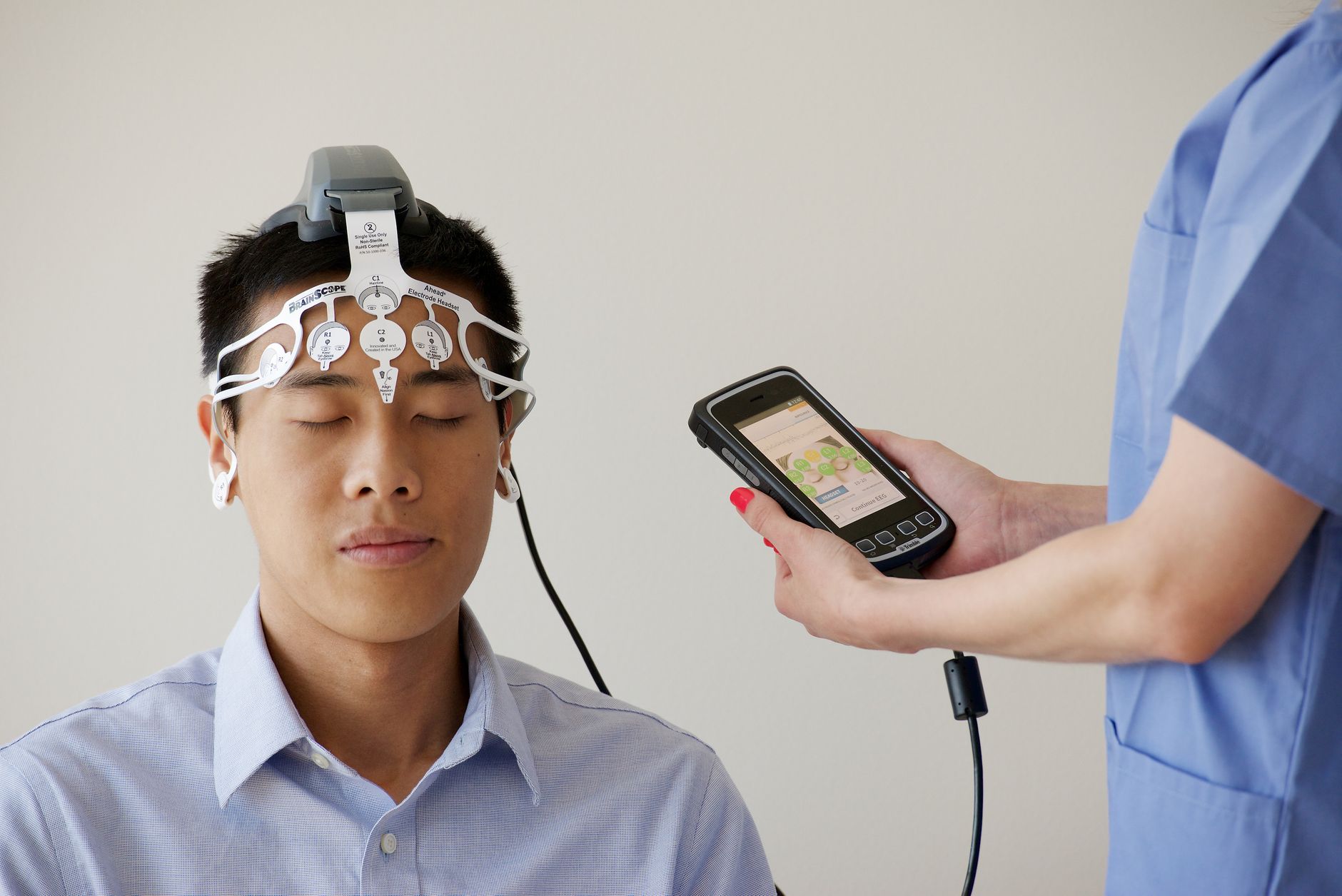
The healthcare landscape is undergoing a remarkable transformation, driven by recent advancements in health technology. Innovations such as telemedicine and AI diagnostics are not only reshaping patient care but also enhancing accessibility and efficiency in healthcare delivery. This article explores the key innovations revolutionizing the industry and their implications for patients and providers alike.
As the world continues to adapt to rapid technological changes, understanding these developments is crucial for both patients and healthcare professionals.
- Telemedicine is improving access to healthcare services for remote patients.
- AI diagnostics are enhancing accuracy and speed in patient assessments.
- Health technology innovations are supporting personalized patient care.
- The integration of these technologies is reducing healthcare costs.
- Patient engagement is increasing through digital health platforms.
How Telemedicine is Expanding Access to Care
Telemedicine has emerged as a game-changer in healthcare, particularly for patients in remote areas. By enabling virtual consultations, telemedicine allows healthcare providers to reach patients who might otherwise face barriers to care, such as distance or mobility issues. A recent study from the American Medical Association found that telehealth visits increased by over 154% in 2020 compared to the previous year.
Benefits of Telemedicine
- Convenience: Patients can consult with doctors from the comfort of their homes.
- Cost-effective: Reduces travel expenses and time off work for patients.
- Increased accessibility: Especially beneficial for rural and underserved communities.
The Role of AI in Enhancing Diagnostics
Artificial Intelligence (AI) is revolutionizing the diagnostic process, enabling healthcare professionals to make faster and more accurate assessments. AI algorithms analyze vast amounts of data, identifying patterns that may not be visible to the human eye. For instance, AI tools are being used to detect early signs of diseases such as cancer, allowing for timely interventions.

AI Diagnostic Tools
One notable example is IBM Watson Health, which utilizes AI to assist in diagnosing and recommending treatment plans for cancer patients. This technology has demonstrated an ability to analyze patient data and medical research with unprecedented speed.
Personalized Patient Care Through Technology
Innovations in health technology are facilitating a more personalized approach to patient care. With the help of wearable devices and health apps, patients can monitor their health metrics in real-time. This data can then be shared with healthcare providers, ensuring tailored treatment plans that meet individual needs.
Examples of Personalized Health Tools
- Wearable devices: Such as Fitbits and smartwatches, which track heart rates and activity levels.
- Health apps: Allowing patients to log symptoms and medication adherence.
These tools empower patients to take an active role in their health management, leading to better health outcomes.
Cost Reduction and Efficiency in Healthcare Delivery
Integrating innovative health technologies is not only transforming patient care but also significantly reducing healthcare costs. By streamlining processes and improving efficiency, healthcare providers can allocate resources more effectively. The use of telemedicine and AI can lead to fewer hospital visits and shorter wait times, benefiting both patients and providers.
Impact on Healthcare Costs
A report by the National Health Service indicates that telehealth services can save the healthcare system up to $6 billion annually by decreasing unnecessary hospital admissions and improving management of chronic diseases.
Frequently Asked Questions
What is telemedicine and how does it work?
Telemedicine refers to the use of technology to provide remote clinical services. It allows patients to consult with healthcare providers via video calls or phone, increasing access to care.
How is AI used in healthcare?
AI is used in healthcare to analyze patient data, assist in diagnosis, and recommend treatment options, enhancing efficiency and accuracy in medical assessments.

What benefits do wearable health devices offer?
Wearable health devices track vital signs and activity levels, providing valuable data to both patients and healthcare providers for personalized health management.
How do health technologies reduce costs?
Health technologies reduce costs by streamlining processes, decreasing hospital visits, and improving management of chronic diseases, leading to overall healthcare savings.
Conclusion
The advancements in health technology, particularly through telemedicine and AI diagnostics, are revolutionizing the way patient care is delivered. These innovations not only enhance accessibility and efficiency but also empower patients to take charge of their health. As the healthcare landscape continues to evolve, embracing these technologies will be crucial for improving outcomes and ensuring high-quality care for all.