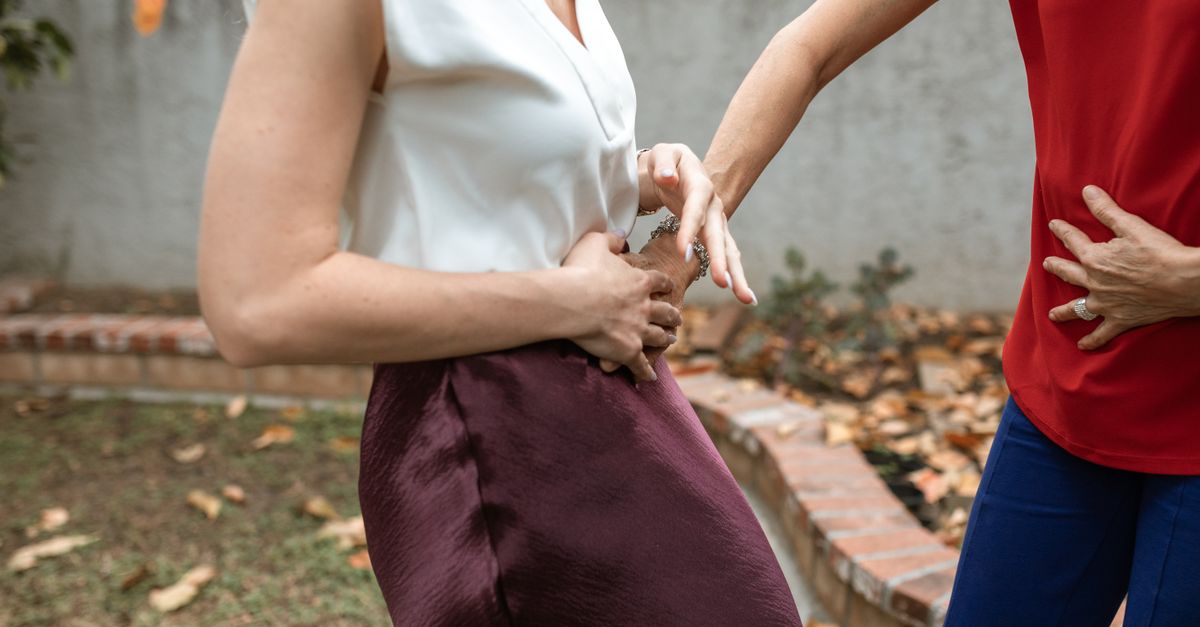
Let me tell you something that completely blindsided me a few years ago: the real command center for your mood isn't your brain—it's your gut. Sounds wild, right? I used to think my anxiety was all in my head. Turns out, it was mostly in my intestines.
We've been told for decades that our brain is the boss. It makes decisions, feels emotions, and controls our body. But here's the truth that's shaking up the health world: your gut microbiome—those trillions of bacteria living inside you—is the hidden puppet master. It's not just digesting your lunch; it's manufacturing your happiness, strengthening your immunity, and even influencing your cravings. Let's dive into this gut health revolution and uncover why your second brain deserves way more respect.
Your Gut: The Original Social Network for Bacteria
Let's be honest: the word "bacteria" still makes most of us reach for hand sanitizer. But here's the plot twist—you're more bacteria than human. Seriously. Your body contains about 30 trillion human cells, but it hosts roughly 39 trillion microbial cells. That means you're a walking, talking ecosystem.
I've found that when people understand this, everything clicks. Your gut isn't just a digestion tube; it's a bustling city with different neighborhoods (the small intestine, large intestine, colon) and diverse residents (Lactobacillus, Bifidobacterium, and hundreds of other species). These bacteria don't just hang out—they communicate with your brain, your immune system, and every organ through a superhighway called the gut-brain axis.

Here's what most people miss: your microbiome is as unique as your fingerprint. No two people have the exact same bacterial profile. That's why generic advice like "eat more yogurt" rarely works for everyone. Your gut needs its own personal care routine.
The Mood-Gut Connection: Why Your "Butterflies" Are Real
Remember that nervous feeling before a big presentation? Or that sinking sensation in your stomach when you get bad news? That's not just poetic language—that's your gut talking to your brain.
The gut-brain axis is a two-way street. Your brain sends stress signals to your gut (hello, irritable bowel syndrome), but your gut also sends signals back. Specifically, your gut bacteria produce about 90% of your body's serotonin—the neurotransmitter that regulates happiness, calm, and well-being.
I started paying attention to this after a particularly stressful year. My digestion went haywire, my mood tanked, and I couldn't figure out why. Then I discovered something shocking: an unhealthy gut can cause depression-like symptoms even if your brain chemistry is perfectly normal. The bacteria were literally starving me of happy chemicals.
Here's a quick breakdown of how it works:
- Short-chain fatty acids (produced when good bacteria eat fiber) signal your brain to feel calm
- Vagus nerve stimulation happens when gut bacteria release neurotransmitters like GABA
- Inflammation from bad bacteria can trigger brain fog, fatigue, and mood swings
Immunity: Your Gut Is the Gatekeeper You Never Knew You Had
Let's talk about your immune system—because it's not just in your lymph nodes or spleen. Approximately 70-80% of your immune cells live in your gut. Think about that. Your entire defense system is stationed right where food enters your body.
Why? Because your gut is the most vulnerable point of entry for pathogens. Every bite you take could bring in friendly nutrients or hostile invaders. Your microbiome acts as the bouncer at the club—it decides who gets in and who gets kicked out.

I've found that when my gut is happy, I almost never get sick. When my gut is off—after a weekend of junk food or antibiotics—I catch every cold that walks by. This isn't coincidence. Healthy gut bacteria strengthen the intestinal barrier, preventing "leaky gut" where toxins and undigested food particles slip into your bloodstream. When that barrier is intact, your immune system can focus on real threats rather than fighting false alarms.
Here are three ways your microbiome directly impacts your immunity:
- Training immune cells: Good bacteria teach your immune system to distinguish friend from foe
- Producing antimicrobial compounds: Some bacteria naturally kill harmful pathogens
- Regulating inflammation: Balanced gut bacteria keep chronic inflammation in check
The 3 Surprising Things That Wreck Your Gut (Besides Antibiotics)
Everyone knows antibiotics destroy gut bacteria. But there are three silent assassins that most people ignore:
1. Artificial sweeteners. I used to think diet soda was the healthier choice. Turns out, sucralose and aspartame can mess with your gut bacteria composition, leading to glucose intolerance and altered mood. That "guilt-free" drink might be making you anxious.
2. Chronic stress. When you're stressed, your body produces cortisol, which can reduce the diversity of your microbiome. Less diversity means weaker immunity and more mood swings. It's a vicious cycle: stress hurts your gut, which makes you more stressed.
3. Lack of sleep. Your gut bacteria have their own circadian rhythm. When you skimp on sleep, you throw off their internal clock, disrupting the balance between good and bad bacteria. That's why a bad night's sleep often leads to a grumpy day AND a gurgly stomach.

How to Feed Your Second Brain (Without Going Crazy)
Let's get practical. You don't need a $200 probiotic supplement or a 30-day juice cleanse. Here's what actually works:
Feed the Good Guys
Your beneficial bacteria love prebiotic fiber. Think of it as their favorite meal. Foods like garlic, onions, leeks, asparagus, bananas, oats, and artichokes are packed with inulin and other prebiotics. Eat them every single day.
Invite More Diversity
The healthiest microbiomes are the most diverse. Aim for 30 different plant foods per week. That sounds like a lot, but nuts, seeds, herbs, spices, fruits, vegetables—they all count. Variety is the spice of life and the secret to gut health.
Fermented Foods Are Your Friends
Sauerkraut, kimchi, kefir, yogurt, miso, kombucha—these naturally contain live probiotics. I've found that even a small serving daily (like a spoonful of sauerkraut on my eggs) makes a noticeable difference.
Skip the Quick Fixes
Here's what most people miss: probiotic supplements are often useless. Many strains don't survive stomach acid, and even if they do, they might not colonize your gut. Real food is more reliable. Save your money for quality fermented foods and whole veggies.
The Real Revolution: Listening to Your Gut
The gut health revolution isn't about chasing the latest superfood or microbiome test. It's about recognizing that your body is a connected system. Your mood, your immunity, your energy—they all trace back to what's happening in your digestive tract.
I've personally transformed my relationship with food and stress after understanding this. When I feel anxious, I now ask: "Did I eat well today? Am I sleeping enough?" instead of just reaching for a pill. When I feel a cold coming on, I load up on garlic and fermented foods instead of just vitamin C.
Your gut is trying to talk to you. That bloating after a meal? That sudden fatigue? That inexplicable sadness? They're signals. The question is: are you listening?
The revolution starts with one meal. One choice. One moment of paying attention to what your body is telling you. Your microbiome is waiting for you to become its best friend—not its neglectful landlord.
So here's your call to action: Go eat something that feeds your bacteria. Add a clove of garlic to your dinner. Have some sauerkraut. Eat a banana. And then notice how you feel tomorrow. The change might be small, but it's real.
Your second brain is counting on you.