
Let me tell you something about your gut that might freak you out a little: you're walking around with roughly 39 trillion bacteria living inside you right now. They outnumber your own cells. They're not just passive tenants either — they're running the show when it comes to your mood, your immune system, your skin, and yes, whether you feel bloated after lunch or not.
I spent the last three years obsessively reading microbiome research (my friends think I'm unhinged, and honestly, they're not wrong). And here's what I keep coming back to: you can actually change your gut bacteria in about 30 days. Not with some $200 supplement pyramid scheme. With real, boring, science-backed habits that most people ignore because they're not sexy enough to sell.
So if your digestion has been a mess, your energy is in the toilet, or you've been told "it's just stress" one too many times — this one's for you.
Your Gut Is Basically a Second Brain (And It's Kind of a Drama Queen)
Here's the thing nobody tells you: your gut produces about 90% of your body's serotonin. That's the "happy hormone" your doctor keeps mentioning. So when your microbiome is out of whack, it's not just your stomach that suffers — it's your whole mood, your sleep, your focus.
I've found that most people treat gut health like a light switch. They eat a tub of yogurt for three days, feel marginally better, and then go back to a diet of energy drinks and microwave burritos. That's not how this works. The microbiome is an ecosystem. You don't fix a rainforest by planting one tree.
Let's be honest: the wellness industry has made gut health sound like a mystical quest. It's not. It's biology. And biology responds to consistency.
Step 1: Feed the Good Guys (They're Picky Eaters)
Prebiotics are the fiber that feeds your existing good bacteria. Think of them as the groceries your gut bugs actually want. Without them, probiotics are basically tourists with no hotel.
Where to find them:
- Garlic, onions, leeks (yes, your breath will suffer — worth it)
- Asparagus, bananas (slightly green ones), oats
- Chicory root, Jerusalem artichoke, apples
Step 2: Fermented Foods Are Your Best Frenemies
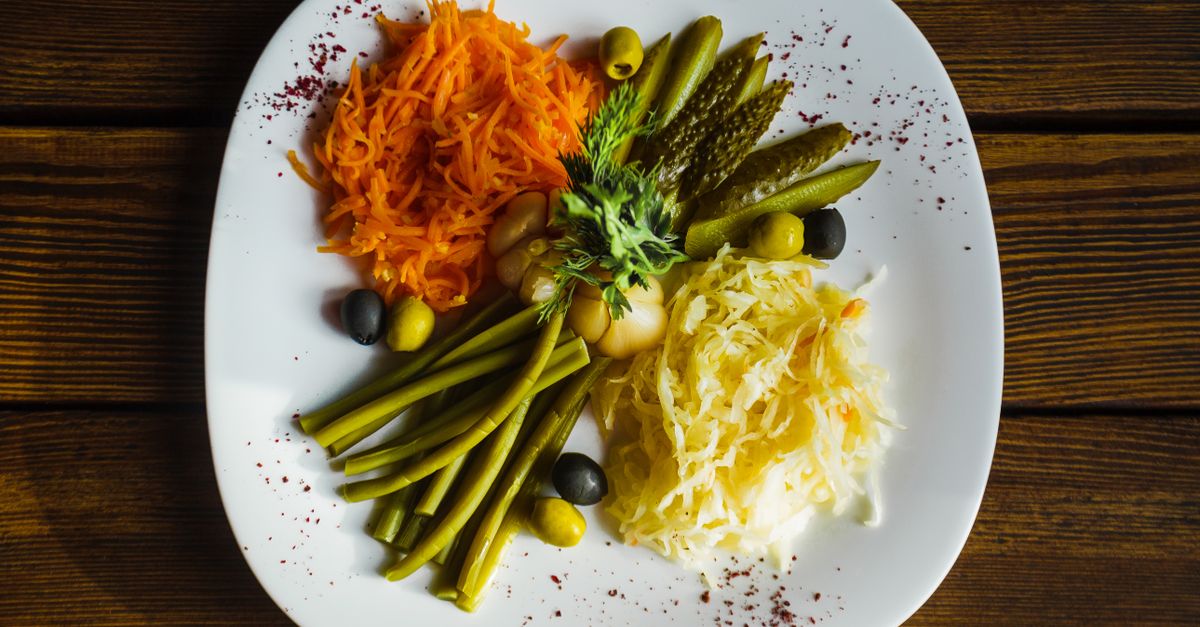
Kimchi, kefir, sauerkraut, miso, plain yogurt, kombucha. I rotate these like a playlist. One study from Stanford found that a fermented-food diet increased microbiome diversity in just 10 weeks — and diversity is the real gold standard here, not just "having probiotics."
Here's what most people miss: pasteurized sauerkraut from a jar on a shelf? Dead. You need the refrigerated stuff with live cultures. Read the label. If it says "shelf-stable," it's bacteria ghost town.
Step 3: Stop Declaring War on Your Gut Every Weekend
Alcohol, ultra-processed food, and artificial sweeteners all mess with your microbiome. I'm not saying never touch a margarita again — I'd be a hypocrite. But if you're binge-drinking Friday through Sunday and wondering why Monday feels like a flu, there's your answer.
Ultra-processed foods (think anything with more than five ingredients you can't pronounce) actively reduce beneficial bacteria. The emulsifiers in them can even thin your gut lining. That's the "leaky gut" everyone whispers about.
Try a 30-day reset where you cut these down to once a week. Not zero. Just less. Your gut will notice.
Step 4: Move Your Body, Move Your Microbes
Exercise doesn't just make you look good — it changes the composition of your gut bacteria independent of diet. Studies on athletes show they have significantly more diverse microbiomes than sedentary folks.
You don't need to become a CrossFit cult member. A 30-minute walk after meals, some resistance training three times a week, and honestly just not sitting like a gargoyle for 10 hours a day will do a lot.
I've found the post-dinner walk to be the single most underrated gut hack. It helps digestion, blood sugar, and — bonus — you stop doomscrolling for 20 minutes.

Step 5: Sleep Like Your Bacteria Are Watching (They Are)
Your gut bacteria follow a circadian rhythm. Mess with your sleep, and you mess with them. Shift workers and chronic insomniacs show measurably worse microbiome diversity.
Aim for 7–9 hours. Keep your room cold and dark. And for the love of everything, stop scrolling in bed — blue light and cortisol don't mix well with microbial harmony.
Step 6: Manage Stress or It Manages Your Gut
The gut-brain axis runs both directions. Stress floods your system with cortisol, which can increase intestinal permeability and shift your bacterial balance toward the not-so-friendly kind.
What works for me:
- Box breathing (4 seconds in, hold 4, out 4, hold 4) — takes 90 seconds
- Cold showers — brutal but effective
- Actual breaks from screens — not "breaks" where you switch to TikTok
Step 7: Consider Probiotics — But Don't Worship Them
Here's where I ruffle feathers. Probiotics are not a magic bullet. The supplement industry is barely regulated, and many products don't even contain what the label claims.
That said, specific strains have solid research behind them — Lactobacillus and Bifidobacterium strains show promise for IBS, antibiotic recovery, and immune support. If you've just taken antibiotics, a quality probiotic can help rebuild what got nuked.
But real talk: food first, supplements second. A pill can't out-supplement a bad diet, and it definitely can't out-supplement four hours of sleep and a Red Bull breakfast.
The 30-Day Reality Check
You won't wake up on day 30 with a brand-new body. What you will notice — usually around week two or three — is less bloating, more regular digestion, better mood, and energy that doesn't crash at 3 PM. That's your microbiome responding.
The catch? Stop and it reverts. Your gut is like a garden. You can't weed it once and walk away forever.
So here's my challenge to you: pick three steps from this list. Just three. Do them for 30 days straight. Then tell me you don't feel different.
And if you're sitting there thinking "I don't have time for this" — I get it. I really do. But you're already spending that time feeling tired, bloated, and foggy. Might as well spend it feeling better.
Your move.