
Your gut houses roughly 39 trillion bacteria. Your brain? About 86 billion neurons. Yet somehow, those microscopic squatters in your digestive tract have a direct hotline to your sleep quality — and most of us are completely ignoring it.
I didn't believe it either. Then I started paying attention to my own patterns.
The 3 AM Wake-Up Call Nobody Asked For
Let me paint a picture. You eat a late dinner — nothing crazy, maybe some pasta and a glass of wine. You fall asleep fine. Then 3 AM hits and you're wide awake, staring at the ceiling, brain running through every embarrassing thing you've said since 2009.
Sound familiar?
Here's what most people miss: that 3 AM wake-up isn't random. It's often your gut microbiome throwing a tantrum. When your gut bacteria are out of balance — a state researchers call dysbiosis — it triggers a cascade of inflammation and cortisol spikes that yank you out of deep sleep like a fire alarm.
I've found that the nights I eat heavy, processed meals are almost always followed by fragmented sleep. Every single time. And the science backs up what my groggy mornings already told me.
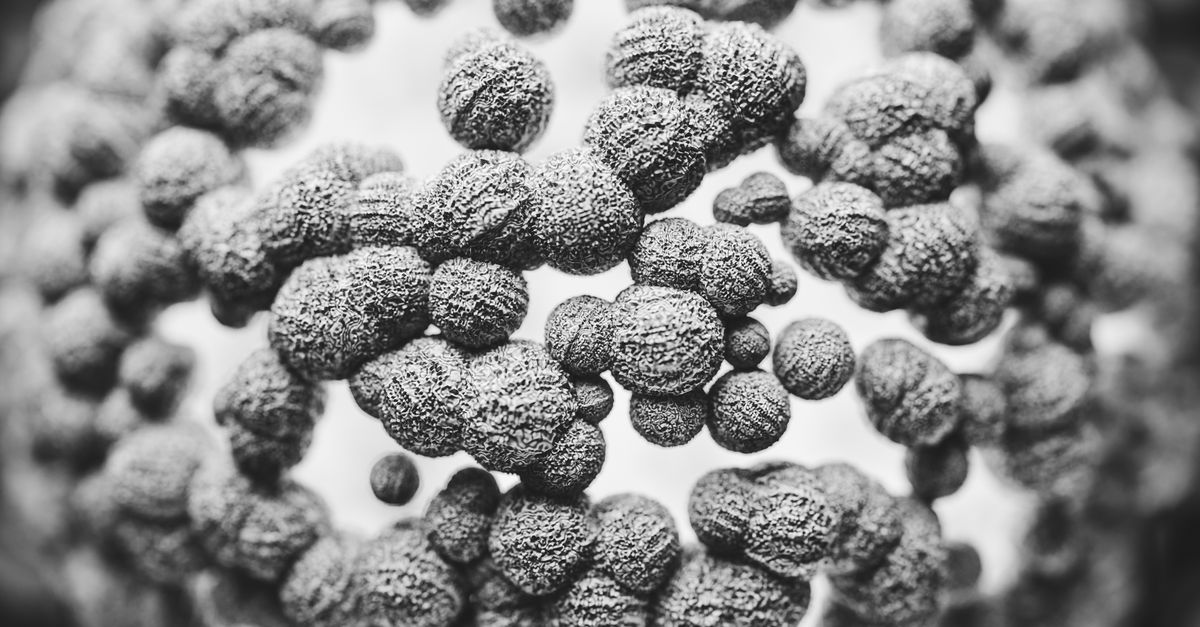
Your Gut Is Basically a Second Brain (And It's Chatty at Night)
The gut-brain axis isn't some wellness buzzword. It's a literal biological highway — the vagus nerve — running between your digestive system and your central nervous system. Think of it as a two-lane road where traffic flows both ways.
Your gut bacteria produce neurotransmitters. We're talking:
- Serotonin — about 90% of it lives in your gut, and it's a precursor to melatonin
- GABA — your brain's main "calm down" chemical
- Dopamine — yes, your gut bugs influence this too
The bacteria that thrive on fiber-rich foods tend to promote calming neurotransmitter production. The ones that feast on sugar and processed junk? They crank up inflammation and mess with your circadian rhythm. It's not a fair fight.
The Sleep-Microbiome Loop Nobody Talks About
Here's where it gets weird — and honestly, a little infuriating.
It's not just that your gut affects your sleep. Poor sleep wrecks your gut too. A 2019 study found that just two nights of partial sleep deprivation changed the composition of gut bacteria in healthy adults. Two nights.
So you've got this vicious cycle:
- Bad gut bacteria → worse sleep
- Worse sleep → more bad bacteria
- More bad bacteria → even worse sleep
I've found that breaking this loop starts with dinner, not with a melatonin supplement. That's not what the supplement industry wants you to hear, obviously.

What Actually Works (According to My Own Trial-and-Error)
Let's be honest — I've tried everything. Sleep apps, weighted blankets, that weird 4-7-8 breathing technique. Some helped. But nothing moved the needle like fixing my gut.
Here's what made a real difference for me:
1. Fermented foods before 6 PM. Kimchi, kefir, sauerkraut — I load up at lunch, not dinner. Why? Because fermented foods can cause mild bloating and gas while your gut adjusts. You don't want that happening at 11 PM.
2. Fiber diversity over fiber quantity. Most people eat the same three vegetables on rotation. Your microbiome craves variety. I aim for 30 different plant foods per week — nuts, seeds, herbs, and spices all count. It sounds obsessive until you realize it's just... eating like a normal human who isn't scared of vegetables.
3. A 12-hour eating window. Stop eating three hours before bed. Your gut bacteria follow circadian rhythms too, and they need downtime just like you do. Late-night snacking is basically asking your microbiome to work the night shift without overtime pay.
4. Probiotic-rich foods, not just supplements. I know supplements are convenient. But food sources come with fiber, polyphenols, and other compounds that supplements strip away. Your gut wants the full package, not the highlight reel.
5. Prebiotics matter more than you think. Garlic, onions, bananas, oats — these feed the good bacteria you're trying to cultivate. Think of probiotics as seeds and prebiotics as fertilizer. You need both.
The Magnesium Connection You Probably Missed
Quick sidebar, because this one surprised me.
Magnesium deficiency is ridiculously common — some estimates say up to 50% of adults don't get enough. And magnesium does double duty here: it supports gut motility and helps regulate your sleep-wake cycle.
Leafy greens, pumpkin seeds, dark chocolate (the 85% kind, not the candy bar). These are your friends. I started adding a handful of pumpkin seeds to my afternoon snack and noticed better sleep within two weeks. Could be coincidence. Could be the placebo effect. But I'll take it.
Your Evening Routine Is a Gut Routine
Here's the uncomfortable truth: most sleep hygiene advice ignores your digestive system entirely. You'll read a hundred articles telling you to dim the lights and put your phone away. Great advice. But if your gut is inflamed and your microbiome is out of whack, you're fighting with one hand tied behind your back.
The fix isn't complicated, but it does require consistency:
- Eat your last meal by 6 or 7 PM
- Load up on fiber and fermented foods earlier in the day
- Stay hydrated (but taper off fluids after 8 PM — trust me on this one)
- Consider a magnesium-rich evening snack
- Give it at least three weeks before you judge the results

Stop Treating Sleep and Digestion Like Separate Problems
We've been conditioned to think of our body as a collection of independent systems. Sleep doctor for sleep. GI doctor for digestion. Brain doctor for mood. But your body didn't get that memo — everything is connected, and the microbiome-sleep connection might be the most underrated link in the whole chain.
So here's my challenge to you: for the next two weeks, treat your gut like it's directly responsible for your sleep quality. Because it probably is.
Change your dinner. Add a fermented food. Diversify your plants. See what happens.
The worst-case scenario? You eat better and maybe sleep a little worse for a few nights while your gut adjusts. The best-case scenario? You stop waking up at 3 AM wondering why you can't just sleep like a normal person.
I know which one I'd bet on.
Your gut bacteria are awake right now, making decisions that affect tonight's sleep. Maybe it's time you had a say in the matter.





