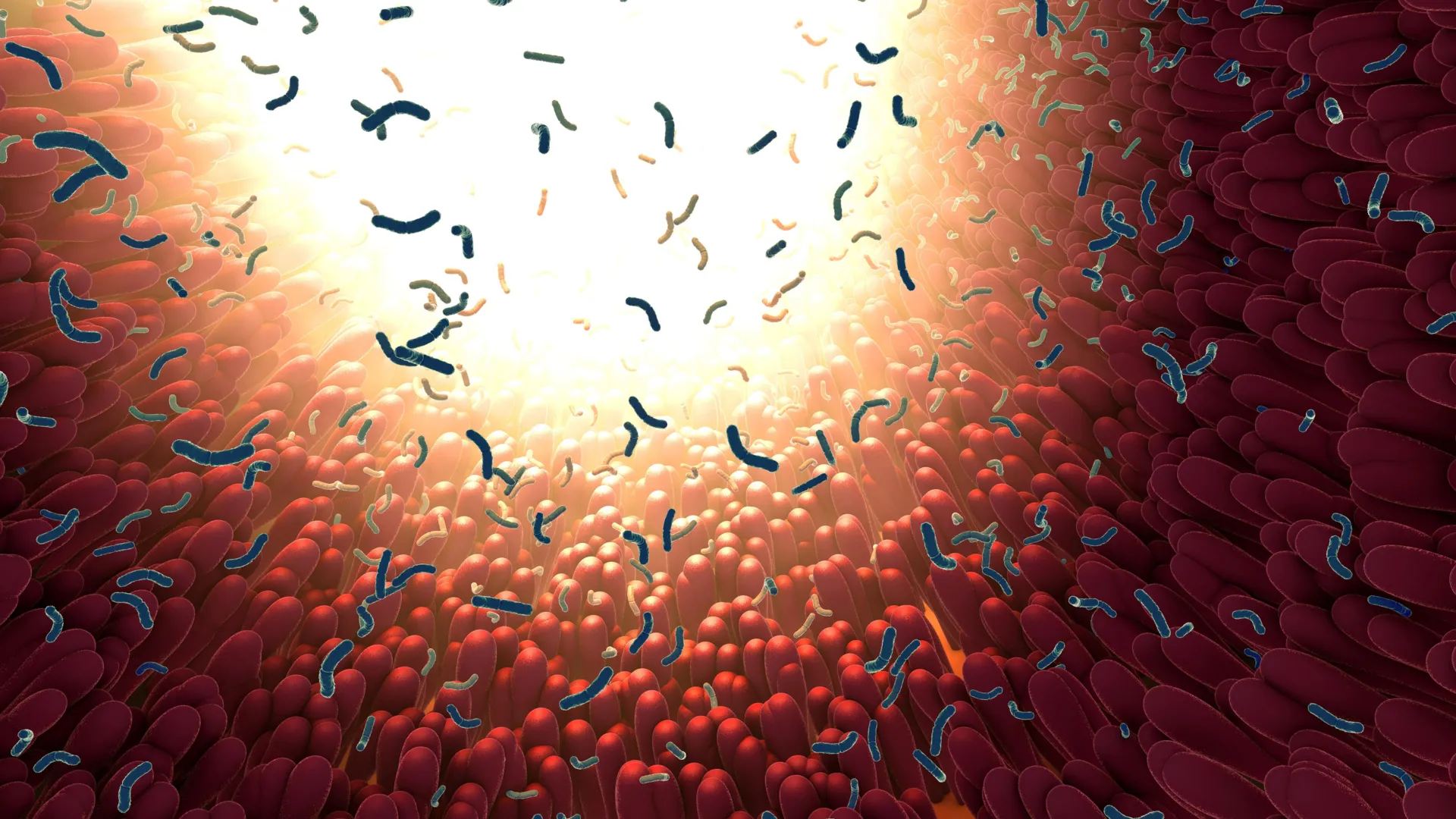
Researchers at the University of Hawaiʻi at Mānoa have found that the mix of bacteria in a person's gut is tied to how quickly their body appears to age at the molecular level, according to Science Daily. In a study published in Scientific Reports, the team reported that differences in gut bacterial communities explained roughly 15% of the variation in participants' rates of biological aging. The work examined stool and blood samples from 123 adults spanning a broad age range.
Why it matters
Biological age is not the same as the number of birthdays a person has marked. It is estimated from molecular markers in the blood that indicate how fast aging-related changes are taking place inside the body. If gut bacteria can offer reliable signals about that pace, the microbiome could become a useful tool for researchers studying healthy aging — especially because, unlike chronological age, it can shift with diet, lifestyle and surroundings.
According to Science Daily, the researchers compared the bacteria identified in each participant's stool with blood-based markers used to estimate aging speed. They found a notable link between microbiome composition and DunedinPACE, a biomarker designed to measure how rapidly biological aging is progressing.
Which microbes stood out
Two bacterial species showed particularly strong relationships with aging pace. Bifidobacterium adolescentis was among the microbes most closely associated with slower biological aging, while Succinivibrio dextrinosolvens ranked among those most strongly tied to faster aging, Science Daily reports.
Alika K. Maunakea, the study's senior author at the UH Mānoa John A. Burns School of Medicine, said the microbial patterns were significantly associated with molecular measures of aging even when chronological age was factored out. He described the results as opening new directions for understanding how biological systems that can be modified influence long-term health and lifespan.
Lead author Braden P. Kunihiro said the findings add to evidence that the gut microbiome could matter for precision health research, which seeks to explain why individuals differ in health and disease. Because the microbiome responds to everyday factors such as diet, lifestyle and environment, Kunihiro said it may reflect aspects of biological resilience and aging that could eventually inform wellness and healthy aging strategies.
The study also included Native Hawaiian and Pacific Islander participants, groups that Science Daily notes have historically been underrepresented in research on aging and gut microorganisms. Co-author Ruben Juarez said the microbiome sits where behavior, environment and human biology meet, and that studies of this kind can help reveal pathways through which lived experience and social conditions shape long-term health.
A correlation, not a cause
The researchers caution that the study does not show cause and effect. Finding certain bacteria in people who age more slowly does not mean those microbes are responsible for the slower pace. Science Daily reports that additional studies are needed to determine whether deliberately altering the gut microbiome could change biological aging or improve health over time.
Maunakea called the work an early step toward understanding the microbiome's relationship with healthy aging, adding that future research will need to clarify the mechanisms at work and whether these microbial signatures could one day support precision approaches to long-term health.
Watch for follow-up studies that test whether microbiome changes actually move biological aging markers, rather than merely accompanying them.





