
Your password is already dead. You just haven't been to the funeral yet.
I know how that sounds. Dramatic. But here's the thing — while you were busy rotating the same three passwords across every site you've ever signed up for, Apple, Google, and Microsoft quietly got together and decided to kill the login box as we know it. No press conference. No big announcement. Just a slow, coordinated rollout that's already changed how millions of people sign into their accounts.
And honestly? It's about time.
The Dirty Secret About Your Passwords (That Hackers Already Know)
Let me hit you with a number that should make you uncomfortable: over 80% of hacking-related breaches involve either stolen or weak passwords. That's not my opinion — that's straight from the Verizon Data Breach Investigations Report, which has been tracking this stuff for years.
Here's what most people miss: your password isn't really protecting you. It's protecting the idea of security. The actual protection comes from you remembering a 16-character string of chaos that no human brain can realistically manage across 200 different accounts.
So what do we do instead? We reuse. We write them on sticky notes. We use "Password123!" and feel clever because of the exclamation point.
I've found that even tech-savvy people — developers, IT folks, people who should know better — fall into the same traps. Because convenience always wins. Always.

Enter Passkeys: The Login Killer Nobody's Talking About Loudly Enough
So here's the good news. Passkeys are here, they work, and they're genuinely better than passwords in almost every measurable way.
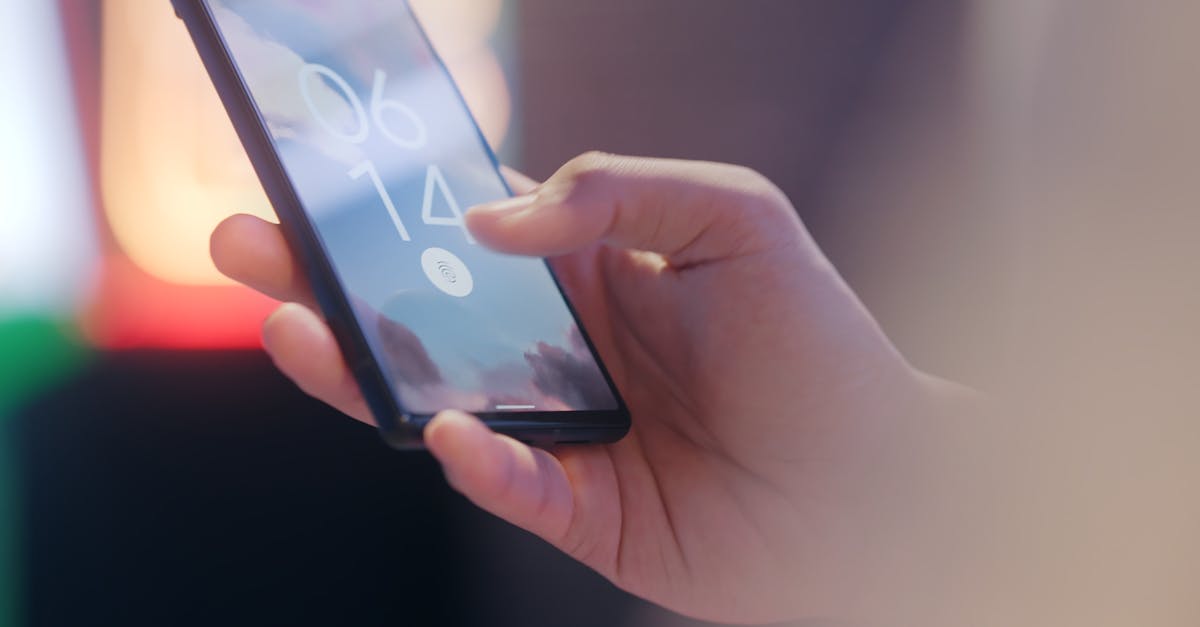
A passkey is basically a cryptographic key pair. One half lives on your device (your phone, your laptop, your security key). The other half lives on the server of whatever service you're signing into. When you log in, your device proves it has the right key — usually with your fingerprint, face, or a PIN — and the server lets you in.
No password to type. No password to steal. No password to forget.
Google started rolling out passkey support across its ecosystem back in 2022. Apple baked it into iOS 16 and macOS Ventura. Microsoft pushed it into Windows Hello and its entire enterprise stack. And the FIDO Alliance — the standards body behind all of this — has been steadily getting every major platform on board.
The result? You can now sign into Google, Amazon, PayPal, eBay, Best Buy, and hundreds of other services without ever typing a password.
That's not a future prediction. That's today.
Why This Actually Matters More Than You Think
Let's be honest — most "revolutionary" tech announcements are marketing fluff. This one isn't.
Think about what a passkey eliminates:
- Phishing attacks — there's no password to trick you into typing into a fake site
- Credential stuffing — even if one site gets breached, your passkey there is useless everywhere else
- Password fatigue — no more "forgot password" loops that make you want to throw your phone
- Data breach fallout — companies literally can't leak what they never stored
I've been using passkeys for about eight months now across my main accounts, and the difference is jarring. Signing in takes literally two seconds. No typing. No autofill drama. No "your password was found in a data breach" panic emails.
The Catch (Because There's Always One)
Here's where I have to be real with you: passkeys aren't perfect yet.
The biggest issue is the ecosystem lock-in problem. If you create a passkey on your iPhone and then switch to Android, things get messy. Apple and Google have both built sync features (iCloud Keychain and Google Password Manager), but cross-platform portability is still clunky.
There's also the recovery problem. What happens if you lose every device that holds your passkeys? Right now, the answer depends on which platform you're in, and it's not always pretty.
And then there's the boring but critical part: not every website supports passkeys yet. Banks are notoriously slow. Government portals? Forget about it. Small businesses? They're still figuring out two-factor authentication.
But here's what most people miss — this is exactly how every major tech transition looks in the early days. Remember when websites didn't support HTTPS? When two-factor authentication was rare? When nobody had a password manager? The infrastructure catches up. It always does.
How to Ditch Passwords Starting Today
Ready to make the jump? Here's your playbook:
- Check your password manager. 1Password, Dashlane, and Bitwarden all support passkeys now. If you're using one, you're already halfway there.
- Start with Google or Apple. Both make it dead simple to create your first passkey. Go to your account security settings and look for the "passkeys" option.
- Enable it on your most important accounts first. Email, banking, and your password manager are the trifecta.
- Keep a backup method. Don't delete your password until you've tested the passkey flow a few times. Trust me on this one.
- Tell your less tech-savvy friends. The sooner everyone adopts this, the sooner the whole ecosystem gets safer.
The Future Doesn't Have a Login Box
Here's my honest take: within five years, typing a password will feel as archaic as using a fax machine. The tech giants aren't killing passwords because they're nice. They're killing them because passwords are a liability — for users, for companies, for everyone.
And that's the beautiful part. Sometimes the thing that's best for business is also best for us.
So the next time a site asks you to "create a strong password," look for the passkey option instead. Your future self — the one who isn't getting breach notification emails at 2 AM — will thank you.
The password era is ending. You can either hold onto it like a landline, or you can be one of the first people through the door.
Which one's it going to be?





