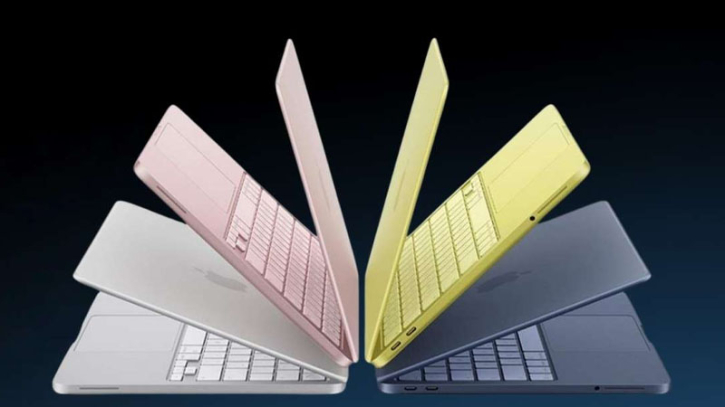
Worldwide shipments of personal computers fell sharply in the third quarter of 2026, according to figures from the technology research firm Omdia reported by Dhaka Xpress. Between July and September, vendors shipped 58.1 million units globally, a decline of 21.2 percent compared with the same period a year earlier. Apple's Mac line fell 11.3 percent over the same stretch.
The drop was spread across both major product categories. Omdia's data put desktop shipments at 11.7 million units, down 23.5 percent year on year, while notebook shipments fell 20.6 percent to 46.4 million units. Dhaka Xpress reported the figures on Sunday.
Why it matters
The decline is more than a single weak quarter for PC makers. Omdia expects the slump to continue into the fourth quarter of 2026, with global shipments projected to fall 24 percent compared with the same period last year. The firm also forecasts a further contraction of about 7 percent across 2027.
That outlook matters because it points to a market weighed down by costs rather than by a sudden loss of interest in computers. The price of memory and storage components has climbed sharply, pushing up what it costs to build a machine. Manufacturers have raised prices in response, and buyers have pulled back. The result is a squeeze that runs from component suppliers through to retail shelves.
Component costs reshape the bill of materials
Ben Yeh, Omdia's chief analyst, said DRAM memory and solid-state drives once accounted for roughly 15 percent of the total cost of building a PC. That share has now reached about 40 percent, he said, with prices for those parts rising more than fourfold compared with earlier levels. Manufacturers have raised product prices in several rounds but have not been able to absorb the full increase, according to Dhaka Xpress.
The pressure does not stop at memory and storage. Shortages of processors, graphics cards and other integrated circuits have added further strain to the supply chain, the report said. With sales slowing and unsold inventory building up, manufacturers have begun cutting production.
Ishan Dutta, Omdia's research director, said major vendors had warned earlier that shipments could weaken in the second half of the year. The higher component costs are now showing up in retail prices, he said, which is leading customers to cut back on purchases. Vendors, meanwhile, are taking steps to manage production and inventory.
Omdia's analysts also pointed to demand patterns earlier in the year. Purchases made ahead of schedule in the first half of 2026 had lifted PC demand, but that demand has since faded, the firm said.
Lenovo holds top spot as HP's shipments slide
Lenovo remained the largest PC vendor, shipping about 14.9 million units in the quarter for a 25.7 percent share of the global market, according to Omdia's figures. HP held second place with roughly 10.3 million units, a fall of 31 percent, and its market share slipped to 17.8 percent.
Dell stayed third with about 7.6 million units and a 13.1 percent share. Asus rounded out the top five with roughly 5.4 million units. Among the major manufacturers, Asus recorded the smallest decline in shipments, at 6.6 percent.
Apple shipped about 6.774 million Mac computers in the quarter, down from roughly 7.637 million units a year earlier. Even with the lower volume, Apple's share of the global PC market rose to 11.7 percent from 10.4 percent, keeping the company in fourth place. The gain reflects the fact that Apple's shipments fell less steeply than the overall market.
The quarterly snapshot covers a period when the cost of building a PC was changing quickly. Memory and storage prices are set in global component markets, and when they rise, the effect reaches manufacturers within months. Vendors face a choice between passing costs to customers and accepting thinner margins. Omdia's numbers suggest they have done some of both: prices are higher, and volumes are lower.
For buyers, the practical effect is that the same money now purchases less machine than it did a year ago, or that a comparable machine costs more. That shift appears to be weighing on purchases, particularly among consumers who can postpone an upgrade.
The coming months will show whether the component squeeze eases or deepens. Omdia's forecast of a 24 percent decline in the fourth quarter of 2026, followed by a further 7 percent contraction across 2027, sets a low bar for the industry. Watch whether memory and SSD prices stabilize, whether vendors trim production further, and whether demand returns once the cost picture becomes clearer.





