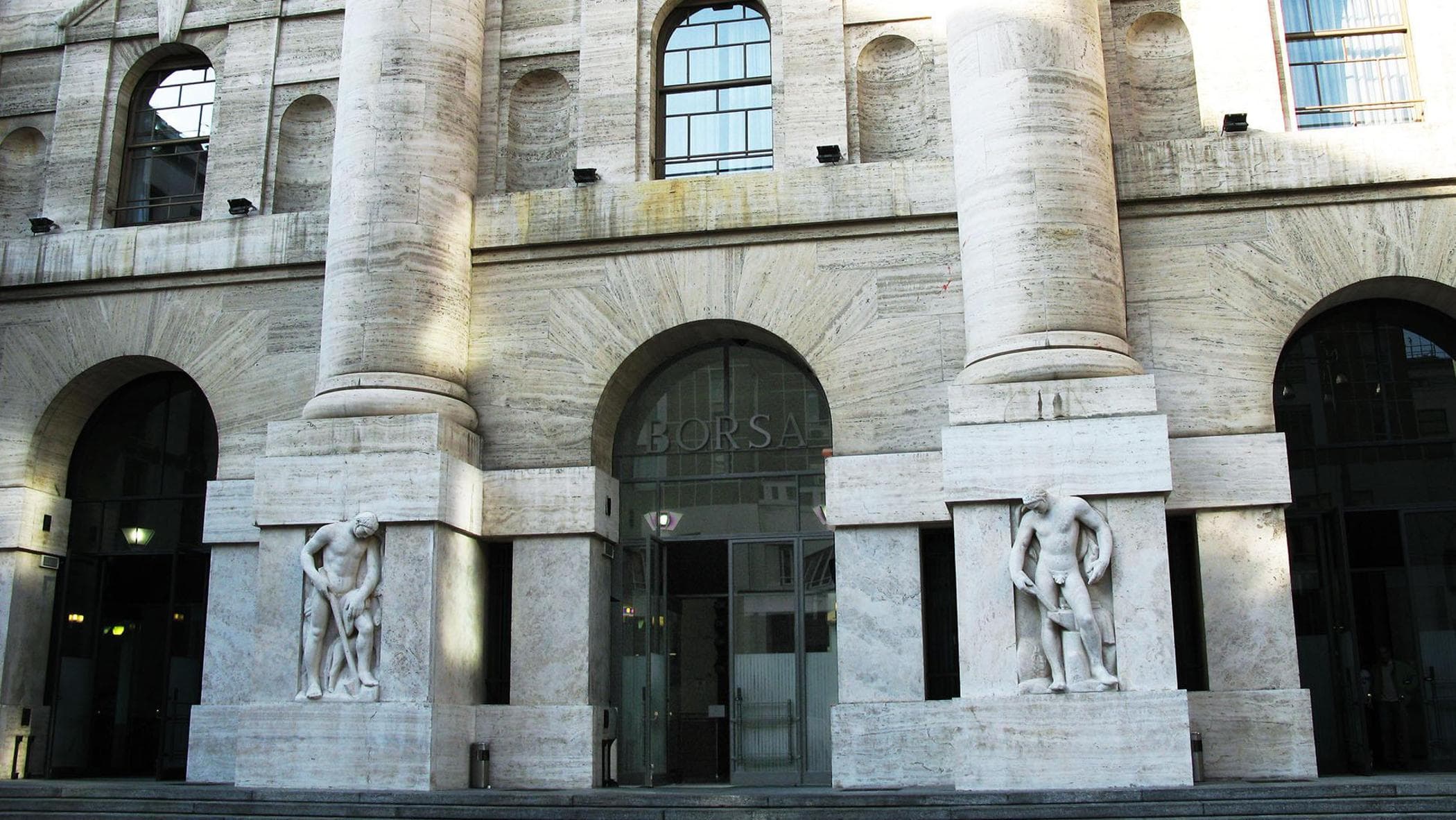
Global equity markets fell sharply on Friday, 6 November, extending the previous day's rout on Wall Street, according to la Repubblica. Investors are worried that the outcome of the US midterm elections could curb or halt spending on artificial intelligence and hold back the construction of new data centres. Technology shares bore the brunt of the selling, and Asia closed with heavy losses.
Japan's Nikkei gave up almost 6%, touching its lowest level since April, la Repubblica reported. In Europe, Milan's Piazza Affari opened deep in the red and other major bourses also declined.
Why it matters
The session shows how quickly political uncertainty in the United States can travel through global markets. The concern reported by la Repubblica is not a general slowdown but a specific one: that a changed political landscape in Washington could restrict the flow of money into AI infrastructure, the data centres that underpin it and the companies that build and supply them. Because AI-related stocks have driven much of the market's recent gains, any signal that the spending cycle might cool is enough to trigger broad risk aversion, and the reaction spread from Wall Street to Tokyo, Seoul and then to Europe within a single trading day.
European markets open lower
Europe's main indices all fell at the open, la Repubblica reported. London's FTSE was down 1.45% at 10,626.41 points in early trading, Frankfurt's Dax lost 1.74% to 25,872 points and Paris's Cac40 shed 1.4% to 8,089.77 points.
In Milan, the Ftse Mib opened down 1.58% at 49,710 points. The credit sector led the decline: Banco Bpm fell 2.88% after its results, Intesa Sanpaolo lost 2.25% and Bper was down 2.16%. Banca Mps slipped 0.83% after reporting a nine-month net profit of 1.657 billion euros, up 21.2% year on year. Enel was the worst performer on the list, dropping 4.28%.
By mid-morning the Milan index had trimmed its opening loss, shedding 1% in line with Paris, while London and Frankfurt were each down about 1.5%, according to la Repubblica. The spread between BTPs and Bunds held steady at 108 basis points. The euro was soft, down 0.2% against the dollar at 1.118.
Among individual names, Saipem was the heaviest faller among the major stocks, down 2.7%, followed by Banco Bpm at 2.6%. The credit sector was broadly negative, while Mps hovered around the flat line after its quarterly accounts. Technoprobe rebounded 1.7% and Buzzi gained 1.8%.
Energy prices swing
Natural gas prices reversed direction during the morning. Futures on the Dutch TTF hub had opened higher, then turned lower, losing 1.23% at 89.35 euros per megawatt hour, la Repubblica reported. Earlier in the session they had traded at 87.56 euros, down 3.46%, before recovering somewhat to 88.4 euros, a decline of 2%. In New York, oil slipped a fraction to 90 dollars a barrel. Futures for the Wall Street open were uncertain, reflecting the nervous mood.
Corporate news in Milan
Away from the index, Mare Group, a high-tech engineering company listed on Euronext Growth Milan, said it had signed a binding agreement to acquire 51% of Proser, a firm specialising in the design, production and support of electronic and electromechanical equipment for the aerospace and defence sectors. The consideration is about 1.6 million euros, with closing expected by 31 December, according to the buyer's statement. The deal also provides for call and put options on the remaining 49% of the capital, exercisable from 1 May 2030, which would govern a possible transfer of the entire stake in Proser to Mare Group.
What to watch
Attention now turns to the Wall Street open later on Friday, where futures were pointing in different directions, and to whether the political signals from the US midterms translate into concrete pressure on AI spending plans.