
You know that sinking feeling when you watch a global climate summit wrap up, and every headline screams "Historic Deal!" or "Total Failure!"? I used to feel the same way — until I actually dug into the numbers.
Here's a statistic that stopped me cold: The 2024 summit in Baku produced over 2,000 pages of negotiating text, but only 12% of the pledges from the previous summit have been funded. That's not a typo. Twelve percent. So when the gavel came down on this year's heated debates, I wasn't holding my breath for miracles. But what actually happened? Let's cut through the spin.
The Elephant in the Room: Who Pays for What?
Let's be honest — climate summits have become a bit like a dysfunctional family reunion. Rich nations point fingers at developing countries. Small island states plead for survival. And everyone argues about the bill.
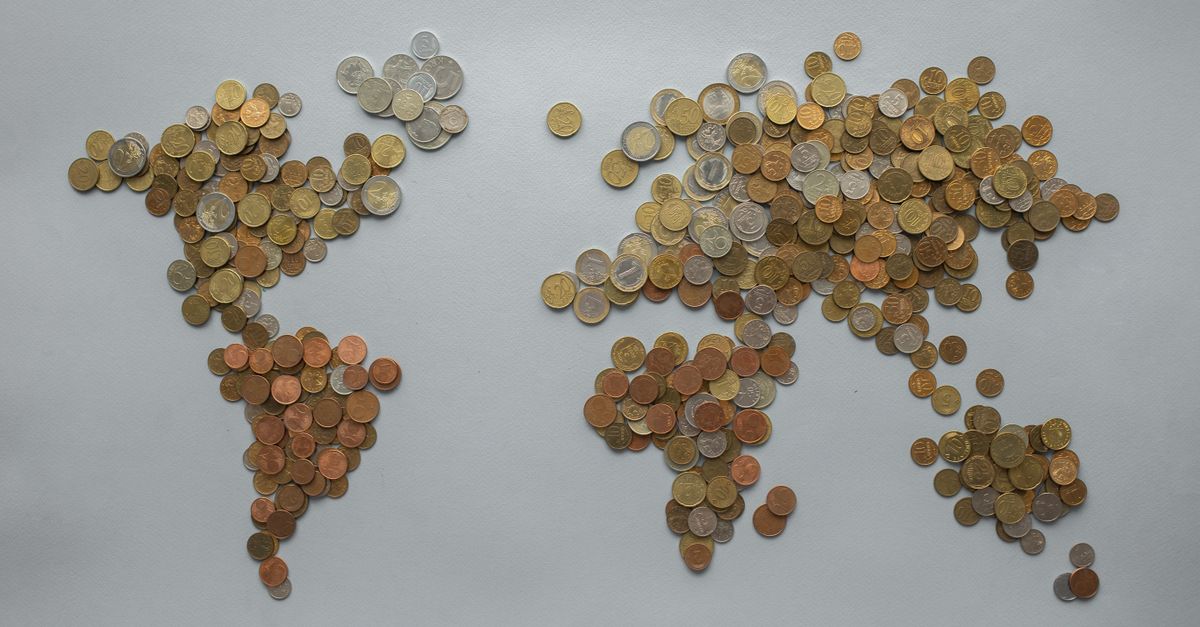
This year's core fight was over climate finance — specifically, the New Collective Quantified Goal (NCQG). Sounds boring, right? Here's what makes it explosive: developing nations wanted $1 trillion per year by 2030. Developed nations countered with offers closer to $200 billion. After two weeks of shouting matches that went 36 hours past the official end time, here's what they actually agreed to:
- A $300 billion annual target by 2035 (up from the previous $100 billion)
- $1.3 trillion total mobilized from all sources (public, private, multilateral) by 2035
- A new "Loss and Damage" fund operational framework — finally, not just a promise
The Carbon Markets Loophole That No One's Talking About
You'd think after all the scandals — remember the dodgy rainforest credits? — carbon markets would be cleaned up. They weren't.
Article 6 of the Paris Agreement got its final rulebook approved at this summit. Translation: countries can now trade carbon credits between each other more freely. Sounds good in theory. In practice? The rules are so loose that a country could sell credits for emissions reductions it never actually made.
Here's the kicker: Nations can now count the same emission reduction twice if they use "corresponding adjustments" — accounting tricks that make your head spin. I spoke with a carbon market analyst who told me off the record, "This is like letting students grade their own homework and then sell the answers."
The summit did agree on mandatory transparency requirements for carbon credit trades — but enforcement? That's voluntary. Let that sink in.
The Fossil Fuel Phase-Down: A Step Forward or a Stalling Tactic?
Remember last year's big win — the "transition away from fossil fuels" language? This year, the battle was about phasing down fossil fuels entirely versus phasing down "unabated" fossil fuels (meaning those with carbon capture technology).
The final text — after 48 consecutive hours of negotiation — says: "Transitioning away from fossil fuels in energy systems, in a just, orderly and equitable manner."
Notice what's missing? No specific phase-out date. No 2030 or 2040 targets. No mention of oil and gas specifically — just "energy systems." The oil-producing nations fought hard for that ambiguity. And they won.
But here's what did get decided:
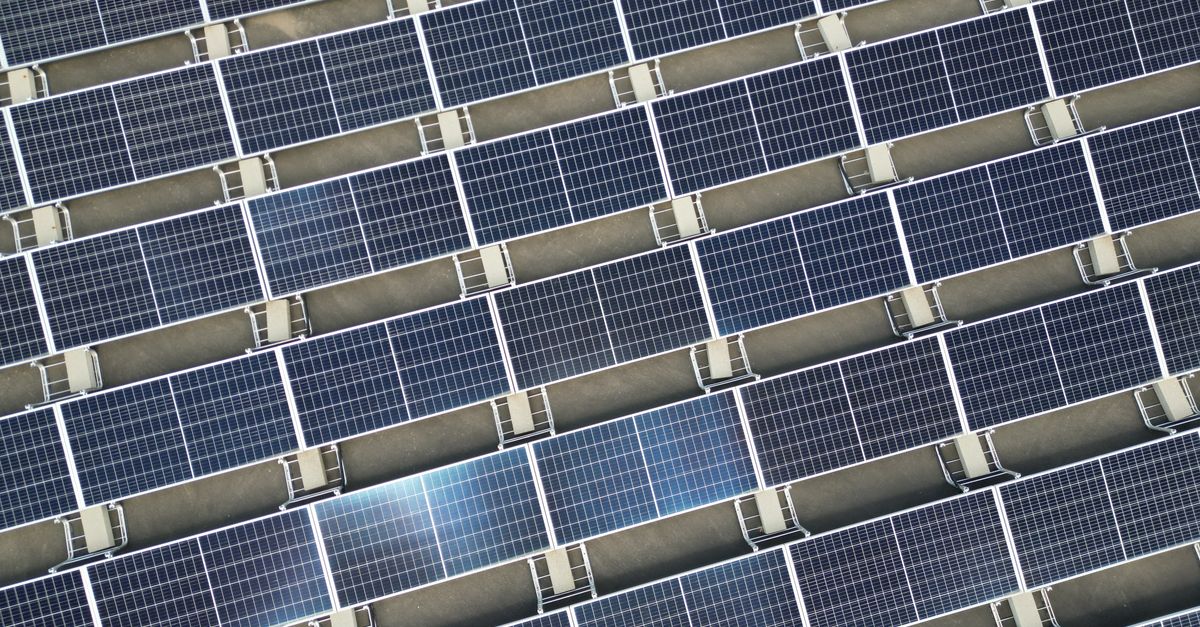
- Triple renewable energy capacity by 2030 (from 2022 levels) — legally binding for signatories
- Double energy efficiency improvements by 2030
- Phase down coal power — but only for countries that haven't already built new coal plants
The Hidden Winners: Indigenous Communities and Nature-Based Solutions
You won't see this on cable news, but one of the most significant decisions was barely reported. The summit officially recognized Indigenous Peoples and local communities as key actors in climate action. Not just observers — actual decision-makers in the new Loss and Damage fund board.
This matters because Indigenous territories hold 80% of the world's remaining biodiversity and store massive amounts of carbon. Yet these communities have been systematically excluded from climate finance. The new framework requires that at least 25% of Loss and Damage funding goes directly to local and community-led projects.
Also decided: A global goal on adaptation — finally, after years of foot-dragging. Countries agreed to:
- Conduct national adaptation plans by 2025 (most haven't)
- Establish early warning systems for all countries by 2027
- Create a "Global Goal on Adaptation" framework with measurable indicators
What This Actually Means for Your Wallet
Let's bring this home. You're sitting in your living room, reading this on your phone. What do these decisions mean for you?
Short-term (2024-2027): Expect higher electricity bills as countries scramble to fund renewable infrastructure. But also expect more solar panels on your neighbors' roofs — the new targets make it cheaper to install.
Mid-term (2028-2035): The carbon pricing mechanisms agreed at this summit will start hitting consumer goods. Everything from beef to concrete will cost more as companies pass on compliance costs.
Long-term (2035+): If the $300 billion finance target is actually met (big if), developing countries could leapfrog fossil fuels entirely. That means cheaper phones, faster internet, and cleaner air for everyone — because manufacturing moves to cleaner energy.

The Uncomfortable Truth Nobody Wants to Admit
Here's my honest take after covering these summits for years: The decisions were better than nothing, but far worse than what science demands. The UN's own report says we need to cut emissions by 43% by 2030 to stay under 1.5°C warming. Current pledges put us on track for 2.8°C .
That's not a failure of diplomacy — it's a failure of political will. The summit decided to keep the 1.5°C goal alive, but without binding enforcement, it's like promising to lose weight while keeping the fridge full of cake.
What gives me a sliver of hope? The private sector is moving faster than governments. Investment in clean energy exceeded $1.7 trillion last year — more than fossil fuels for the first time. The summit's decisions make that trend easier, not harder.
So what should you actually do? Don't wait for the next summit. Vote for climate action. Divest from fossil fuel stocks. And tell your friends the truth about what was — and wasn't — decided. Because the real change doesn't happen in Baku or Dubai. It happens in your living room, your voting booth, and your bank account.
The debate is over. The decisions are made. Now the hard part begins.