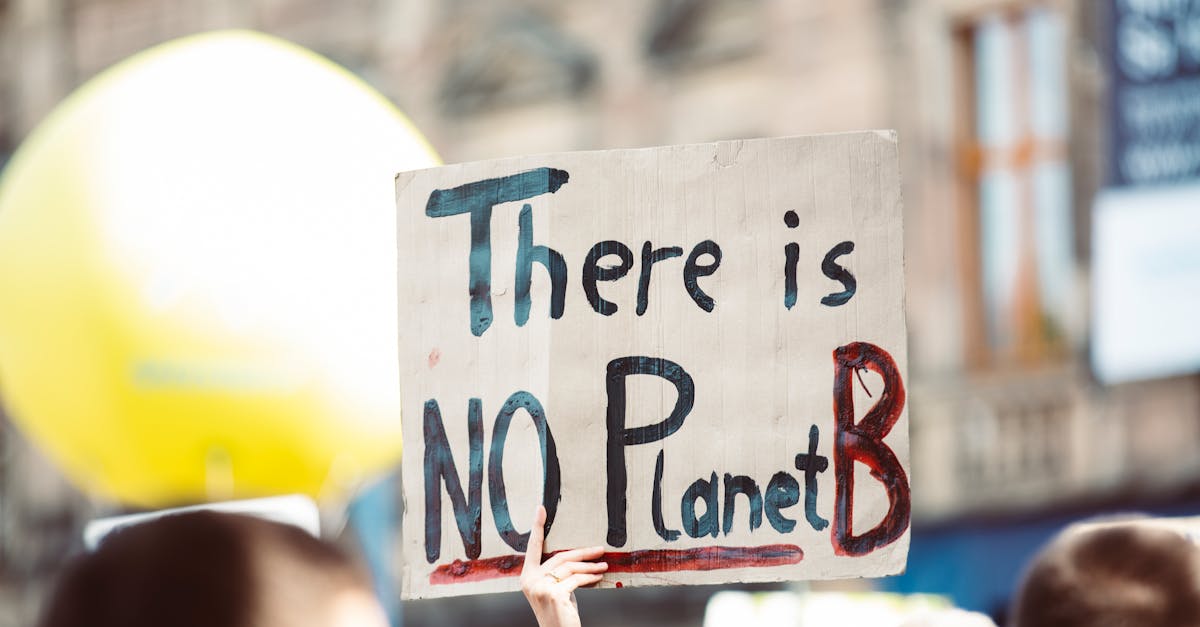
Let’s be brutally honest: the biggest takeaway from the Global Climate Summit 2024 isn’t a shiny new policy—it’s the deafening, uncomfortable silence on the one thing that actually matters: legally binding fossil fuel phase-out dates. We’re still negotiating the speed of the deck chair rearrangement while the ship is actively taking on water.
I know, I know. That sounds cynical. You’re expecting a round-up of hopeful pledges and diplomatic wins. And sure, there were some. But after following these summits for years, I’ve found that the real story is never in the official press releases. It’s in the gaps between the promises, in the language that gets watered down at 3 a.m. on the final night, and in the deals being made on the sidelines that the cameras never see.
So, let’s cut through the greenwashed jargon. Here’s what actually shifted—and what frustratingly didn’t—at this year’s marathon climate talks.

The "Triple Renewable" Pledge: More Than Just Hot Air?
The headline grabber was the global commitment to triple renewable energy capacity and double energy efficiency by 2030. Finally, a target with actual numbers! This wasn’t just a vague aspiration; over 120 countries signed on. The scale of ambition is, frankly, mind-boggling. We’re talking about installing as much renewable power in the next six years as the entire world has built in the last thirty.
But here’s what most people miss: the devil is in the grids and the cash. Building a solar farm in the desert is one thing. Getting that power to cities, and building the storage for when the sun isn’t shining, is a trillion-dollar engineering and political nightmare. The summit made progress on this, with new alliances forming to finance and modernize global grids. It’s the unsexy, technical work that actually makes the dream possible. I’ll take that over another empty slogan any day.
The Fossil Fuel Elephant Finally Named (But Not Evicted)
For decades, these summits tiptoed around the core problem. Last year, they finally mentioned “fossil fuels” in a final agreement. This year, the debate was all about the adjectives. The push was for an “orderly and just phase-out.” What did we get? A commitment to “transitioning away from fossil fuels in energy systems… accelerating action in this critical decade.”
See the weasel words? “Transitioning away” is not a “phase-out.” It leaves the door wide open for carbon capture fairy tales and continued production. It doesn’t touch fossil fuels used for plastics or chemicals. And “in energy systems” is a loophole you could drive a LNG tanker through. It was the fiercest battle of the summit, and the fossil fuel lobby—with a record number of delegates present—won again. Let’s be honest: as long as the people profiting from the problem have a seat at the table, they’ll keep shaping the menu.

The Hidden Win: Making Polluters Pay
While the headlines focused on energy, the most surprising and substantive policy shift was on climate finance and loss & damage. For the first time, the core costs of climate change are being formally pinned on the historical polluters.
Think about it. The Loss and Damage Fund, agreed to in principle last year, is now (slowly) being filled with actual cash. More crucially, the conversation has radically shifted to taxing the big emitters. We’re talking about: Serious discussions on a global tax on shipping emissions. Momentum for a levy on fossil fuel extraction.
- Even a tax on financial transactions to fund climate resilience.
The Food System Awakening
Previous summits treated climate change as an energy problem. Full stop. 2024 was the year the global food system finally got a prime-time seat. Agriculture, deforestation, and land use account for about a third of emissions, yet they’ve been an afterthought.
Not anymore. Over 150 countries signed a declaration to integrate food and farming into their national climate plans. Why does this matter? Because you can’t hit net-zero if you ignore the methane from livestock and the carbon released by clearing forests for soy and palm oil. This is a massive, complex policy shift that will eventually hit our dinner plates—moving us toward more sustainable (and perhaps less meat-heavy) diets. It’s controversial, it’s personal, and it’s essential.

So, What Does This All Mean for You and Me?
All this diplomatic wrangling can feel abstract. Here’s the translation:
- Your energy will get cleaner, faster. Policy certainty means more investment in wind, solar, and batteries. Your utility bill might finally start funding the future, not the past.
- The "polluter pays" principle is coming. This could mean slightly higher costs for shipping, certain transactions, or luxury goods, but it funds resilience for the most vulnerable.
- Climate-proofing is now official policy. From seawalls to drought-resistant crops, adaptation is no longer a side project. Your city will likely get serious about infrastructure upgrades.
- Food is now a climate issue. Expect more plant-based options, clearer labeling, and policies that support regenerative farming.
The final, uncomfortable truth? These summits don’t save the planet. They create the framework. The real work happens in national capitals, city halls, corporate boardrooms, and our own communities. The policy shifts are tools. It’s up to us to demand they are used—forcefully and immediately.
Will we look back at 2024 as the year we started truly turning the ship, or just the year we agreed on a slightly better bucket for bailing? That answer wasn’t decided in the summit halls. It’s being decided by what you and I do next.