
I was at a networking event last month, standing by the coffee station, when a sharp young woman in a blazer approached me. She smiled, made direct eye contact, and then… did nothing with her hands. No handshake. No fist bump. Just a polite nod and a “Hey, great to meet you.” I stood there, arm half-extended like an idiot, gripping an imaginary handshake that never came. It was awkward. It was surreal. And honestly? It made me rethink everything I thought I knew about workplace etiquette.
Let’s be real: the handshake has been a cornerstone of professional greetings for centuries. A firm grip, a confident shake, and you’ve made a statement. But in 2025, Gen Z is quietly—or not so quietly—killing the handshake. And the surprising truth? They might be onto something.
The Moment I Realized the Handshake Was Dying
I’ve been writing about culture and workplace trends on CYBEV.io for years, and nothing has divided my comment section quite like this. One reader, a Gen Z marketing coordinator, wrote: “Why would I touch a stranger’s hand after a pandemic? It’s unhygienic and unnecessary.” Another, a Boomer executive, replied: “It’s basic respect. Without a handshake, how do I know you’re serious?”
Here’s what most people miss: this isn’t just about germs. It’s about a fundamental shift in how we signal trust, respect, and professionalism. The handshake is a ritual. And rituals only survive if they still mean something to the people performing them.
I’ve found that Gen Z isn’t rejecting handshakes out of laziness or rebellion. They’re asking a very valid question: Does this handshake actually communicate what we think it does?
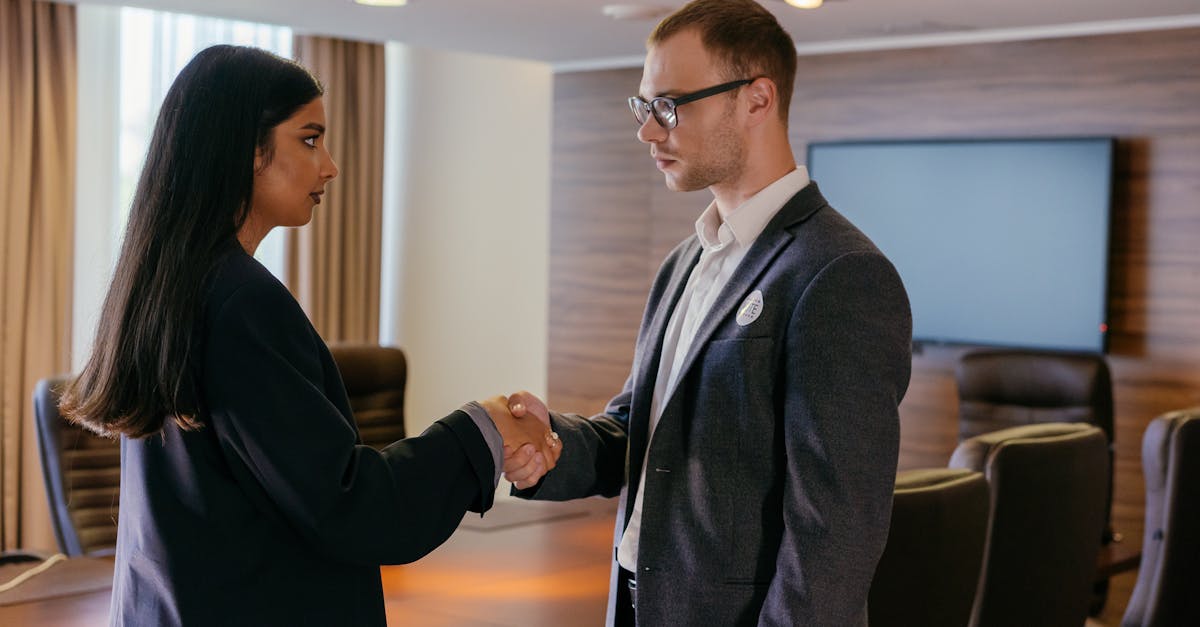
The 3 Hidden Reasons Gen Z Is Ditching the Grip
Let’s break this down. I’ve spoken to dozens of young professionals, HR managers, and even a body language expert. The reasons are more nuanced than “they hate tradition.”
- The pandemic permanently rewired our social instincts. You can’t un-ring that bell. For anyone who entered the workforce between 2020 and 2023, the handshake was literally forbidden in many offices. The default became a wave, a nod, or a “namaste” gesture. Those neural pathways are now baked in. For Gen Z, the handshake feels like a relic from a world that no longer exists.
- Consent culture is real. I’ve noticed younger workers are hyper-aware of physical boundaries. A handshake is an assumption of consent—you’re reaching for someone’s hand without asking. More professionals are now asking, “Do you mind if we shake?” or simply opting for alternatives. It’s not awkwardness; it’s respect.
- Authenticity over performance. Here’s a truth bomb: many handshakes are fake. You know the “dead fish” handshake. The “bone crusher.” The “politician’s double-grip.” These are performances, not genuine connections. Gen Z values real interaction over ritualistic gestures. A warm smile and a genuine “I’m so glad to meet you” often carries more weight than a handshake that’s been rehearsed since business school.
What Replaces the Handshake? The New Etiquette Playbook
So if the handshake is fading, what takes its place? I’ve been testing alternatives in my own networking, and the results are surprising.
The nod-and-smile is the most common replacement. It’s quick, respectful, and zero contact. But it can feel distant if you’re not careful.
The fist bump is making a comeback, but it’s still seen as casual. I use it with people I already know. For first meetings? Risky.
The verbal-only greeting is where it’s at. A clear “Hi, I’m Rahim. Great to meet you” with strong eye contact and a slight head bow. No hands needed. I’ve found that this actually creates more intimacy because it forces you to rely on your voice and expression, not a mechanical gesture.
Then there’s the elbow tap (yes, it’s still a thing for some), the wave (common in remote-first companies), and even the hand-over-heart bow (popular in some East Asian-influenced workplaces).
The key? Match the other person’s energy. If they extend a hand, take it. If they nod, nod back. The real etiquette sin isn’t skipping the handshake—it’s making someone feel weird for their choice.

Why Boomers and Gen X Are Freaking Out (And Why They Shouldn’t)
Let’s address the elephant in the conference room. Older generations see the handshake’s decline as a sign of declining professionalism. I get it. When you’ve been taught your whole life that a firm handshake equals competence, watching it disappear feels like watching the foundation crack.
But here’s the surprising truth: Gen Z isn’t less professional. They’re redefining what professionalism looks like.
I’ve observed that Gen Z workers are actually more intentional about greetings. They pay attention to body language, tone, and context in ways that a handshake often bypasses. A handshake can mask nervousness. A verbal greeting cannot. They’re choosing substance over symbol.
And let’s be honest—how many times have you shaken hands with someone and immediately forgotten their name? The handshake is often a distraction. Without it, you’re forced to actually listen to the introduction.
The 2025 Workplace: A Hybrid Etiquette Landscape
So where are we headed? I predict that by 2026, the handshake will still exist, but it will be contextual, not default. Think of it like wearing a tie—once mandatory, now optional and situation-specific.
In creative industries, tech startups, and remote-first companies, handshakes are already rare. In law, finance, and traditional corporate settings, they’re holding on. But even there, I’m seeing a shift. The most progressive leaders are adapting.
One CEO I interviewed told me: “I don’t care how you greet me. I care if you show up prepared, listen actively, and follow through. The handshake is a checkbox, not the test.”
That’s the mindset shift we need. Workplace etiquette in 2025 is about flexibility, observation, and respect for individual comfort zones. It’s not about killing tradition; it’s about expanding the menu of acceptable traditions.

My Final Take: Don’t Mourn the Handshake—Evolve With It
I’ll be honest—I still love a good handshake. There’s something satisfying about a firm, confident grip that says “I’m here and I mean business.” But I’ve learned that my preference isn’t universal, and that’s okay.
The real question isn’t whether Gen Z is killing the handshake. It’s whether we can create workplace rituals that are inclusive, authentic, and meaningful for everyone.
So next time you meet a young professional who doesn’t extend a hand, don’t take it as a slight. Take it as a sign that they’re thinking about connection on a deeper level. And maybe—just maybe—try a nod and a smile. You might find it’s more powerful than you think.
What’s your go-to greeting in 2025? I’d love to hear your stories in the comments—handshake lovers and haters alike.


