
I remember the exact moment I first realized esports wasn’t just “kids playing games.” It was 2017, and I was watching the League of Legends World Championship finals. The camera cut to a player, Faker, hands trembling slightly after a five-hour marathon match. His heart rate monitor showed spikes that rivaled a marathon runner’s final kick. And he wasn’t even sprinting. He was thinking.
Let’s be honest: most people still picture esports athletes as teenagers glued to a screen, eating chips, and yelling at teammates. But here’s the truth I’ve found after years of covering this space: esports athletes are quietly redefining what peak performance means — and traditional sports are taking notes.
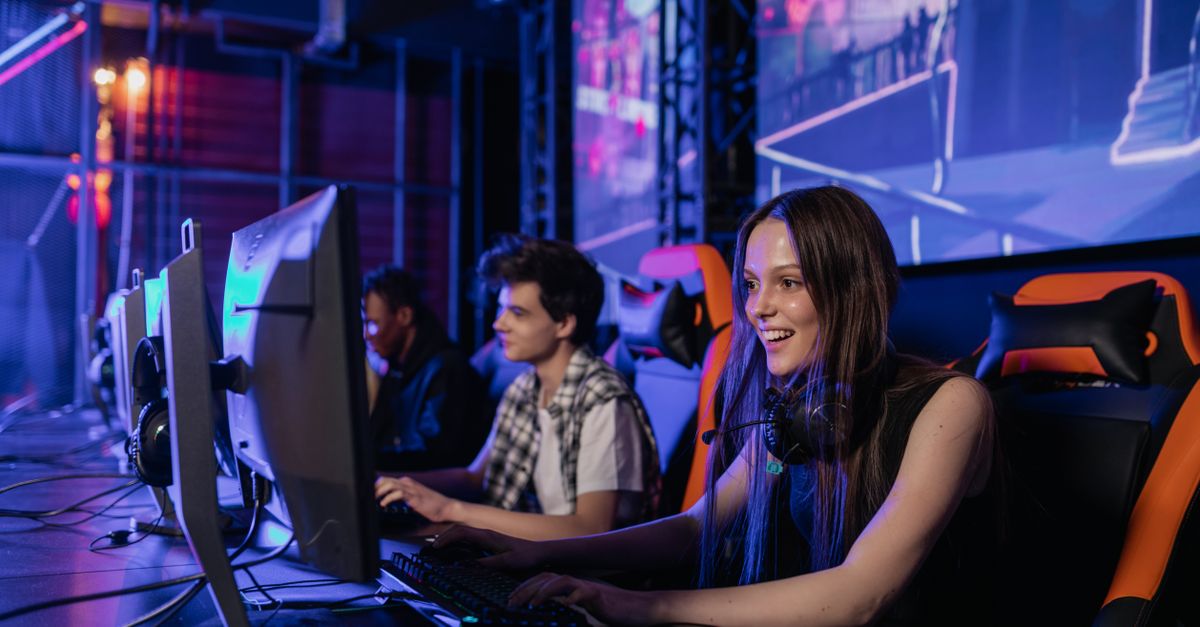
The Silent Athleticism Nobody Talks About
Here’s what most people miss: the physical toll of competitive gaming is brutal. When I interviewed a former Overwatch pro, he told me his hands would cramp so badly after a six-hour practice session that he couldn’t hold a coffee cup. His reaction time? 150 milliseconds — faster than most professional baseball players’ swing decisions.
I’ve watched Counter-Strike players maintain 200+ actions per minute for hours, with accuracy rates that would make a surgeon jealous. That’s not just “clicking.” That’s precision under pressure — a skill that Olympic archers and F1 drivers would recognize.
But here’s the kicker: esports athletes train like elite soldiers. They have:
- Strict sleep schedules (8+ hours, no exceptions)
- Customized nutrition plans (low sugar, high omega-3s for brain health)
- Physical therapy routines (wrist exercises, posture correction, eye strain management)
- Mental conditioning (meditation, visualization, cognitive drills)
The Brain as a Muscle: Why Cognitive Training Is the Next Frontier
I used to think “mental toughness” was just a buzzword. Then I saw a StarCraft II match where a player made 300 decisions per minute — and one wrong move cost him $100,000. The pressure isn’t theoretical. It’s visceral.
Esports athletes are pioneers of cognitive endurance. They don’t just react faster; they predict faster. Their brains process visual information, opponent patterns, and strategic probabilities simultaneously. I’ve found that this kind of training has real-world applications — from surgeons performing laser operations to pilots handling emergency landings.
Here’s the surprising part: traditional sports are now stealing from esports. The NFL uses cognitive training software developed for pro gamers. The U.S. military adapted esports reaction-time drills for drone operators. Even chess grandmasters study esports match analysis techniques.
Why? Because peak performance isn’t just physical anymore. It’s neurophysical. And esports athletes are years ahead of the curve.

The Grind Nobody Sees: 12-Hour Days and Burnout
Let’s get real about the dark side. I’ve talked to retired esports pros who can’t look at a screen without feeling sick. One told me he practiced 14 hours a day for three years straight — and ended up with chronic wrist pain, anxiety, and a ruined social life.
The grind is insane. Here’s what a typical day looks like for a pro:
- Wake up at 7 AM — light cardio to wake up the brain
- Breakfast + review yesterday’s matches — 1 hour
- Team practice — 4 hours of scrims with strategy discussions
- Lunch + nap — 30 minutes to reset
- Individual drills — 2 hours of mechanical training (reaction time, aim, decision trees)
- Physical therapy — 1 hour for wrists, neck, and eyes
- Evening scrims — 3 more hours
- Review + mental wind-down — 1 hour
- Bed by 10 PM — no exceptions
But here’s what I admire: they’re changing the conversation. Teams now hire sports psychologists, nutritionists, and even sleep coaches. The old “grind until you break” mentality is dying. Peak performance now means longevity, not just short-term wins.
Why Traditional Athletes Are Quietly Watching
I’ll never forget talking to a former NBA player who told me he watches esports to “learn how to handle pressure.” He said, “In basketball, you have a few seconds to make a decision. In esports, you have milliseconds. That’s a different kind of mental game.”
Here’s the hidden truth: esports athletes are redefining what “athlete” means. They prove that peak performance isn’t about how fast you run or how high you jump. It’s about:
- Processing speed under chaos
- Emotional regulation during high-stakes moments
- Team communication in real-time
- Adaptability when everything goes wrong
I’ve seen NFL quarterbacks study esports match film to improve their decision-making. I’ve watched tennis players use gaming headset mic techniques for better on-court communication. The lines are blurring — and it’s beautiful.

The Future: Where Esports and Traditional Sports Collide
Let me leave you with this: the next generation of athletes won’t choose between physical and mental. They’ll train both. I predict we’ll see:
- Hybrid training facilities where basketball players and gamers share cognitive drills
- Cross-sport mental coaches who work with both quarterbacks and support players
- College scholarships that recognize esports as a legitimate athletic pursuit
So the next time you see someone glued to a screen, remember: you might be watching the future of human potential. And it’s faster, smarter, and more intense than you ever imagined.
What do you think? Is esports the new frontier of athleticism, or are we overhyping it? Drop your take in the comments — I read every single one.