
Let's be honest: for years, anyone with a Screen Actors Guild card would roll their eyes at the mention of a TikToker walking onto a film set. The assumption was always the same — they'd be a gimmick, a marketing pull, a one-scene wonder who'd get chewed up by actual actors and spat out before the credits rolled.
That assumption is dead. And if you're still clinging to it, you're not paying attention.
I've watched this shift happen in real time, and here's the part that gets me: the entertainment industry isn't just tolerating social media stars anymore — it's actively restructuring itself around them. Casting directors aren't scouting drama schools the way they used to. They're scrolling. They're watching who can hold an audience for 47 seconds without a script, and they're betting millions that that skill translates to the big screen.
Spoiler: sometimes it doesn't. But increasingly, it absolutely does.
The Casting Couch Got Replaced by the For You Page
Here's what most people miss about this whole "TikTokers in Hollywood" phenomenon. It's not that studios suddenly decided influencers were talented. It's that the economics of attention flipped upside down, and Hollywood had no choice but to follow the money.
Think about it. A traditional breakout actor spends years grinding through auditions, guest spots, and indie films before anyone knows their name. A TikTok creator can build a fanbase of 10 million people in eighteen months — a fanbase that will show up on opening weekend, buy merch, and tweet about every trailer drop.
Studios noticed. And when you're spending $200 million on a tentpole film, built-in audience isn't a bonus. It's oxygen.
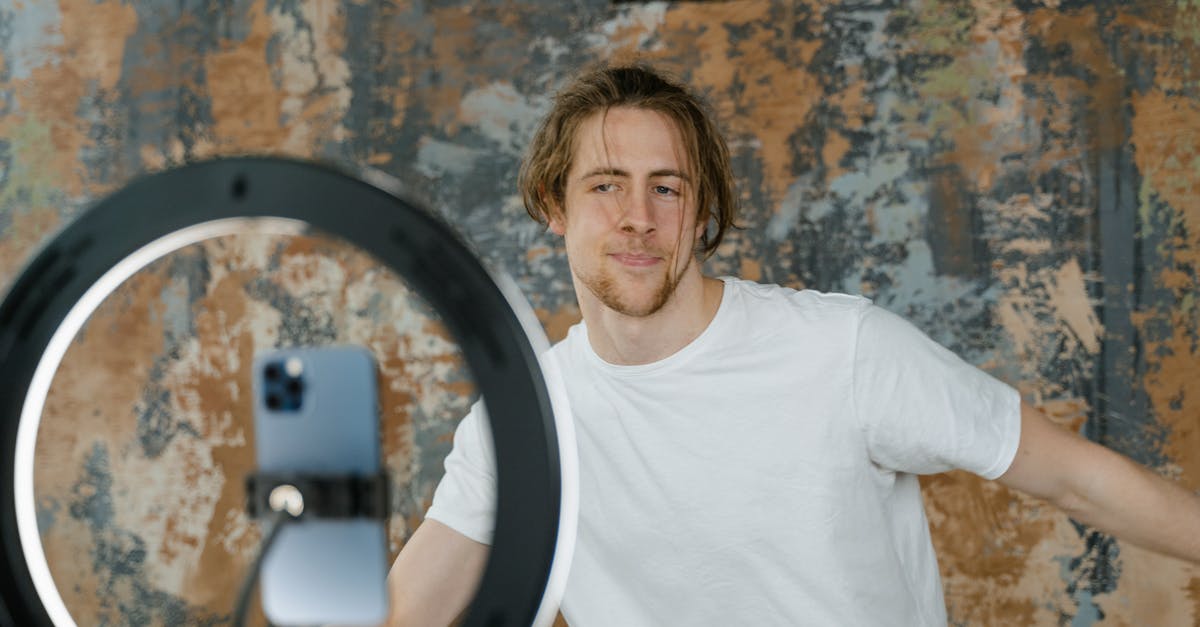
The numbers back this up. According to industry tracking, a growing share of new castings in teen and young-adult productions now come from creators with significant social followings. It's not a coincidence. It's a strategy.
From 15 Seconds to 90 Minutes: The Stars Who Actually Made the Jump
Let me be specific, because vague arguments are lazy arguments.
- Addison Rae went from viral dance videos to starring in He's All That — a Netflix remake that leaned hard into her existing fanbase.
- Charli D'Amelio moved from TikTok's most-followed account into acting roles and a Hulu reality series, The D'Amelio Show.
- Dixie D'Amelio and a string of other creators have landed scripted gigs, brand partnerships, and full production deals.
- Bella Poarch — yes, the "M to the B" lip-sync queen — has been steadily building an acting and music career most people didn't see coming.
But here's the thing I keep coming back to: the same was said about pop stars, models, and athletes who crossed into acting. Some flopped. Some became icons. The pipeline isn't new — only the entry point is.
Why Traditional Actors Are (Quietly) Nervous
I've talked to people in the industry, and there's a tension nobody says out loud on the record. Established actors and drama-school grads feel the squeeze. Not because TikTokers are better — but because they're cheaper, faster to market, and come with an audience attached.
Here's the uncomfortable math:
- A trained actor brings craft but zero built-in reach.
- A creator brings reach but often limited craft.
- Studios increasingly bet that reach beats craft — because reach pays the bills now.
The Secret Nobody Wants to Admit About "Talent"
Here's my hot take, and I'll die on this hill: being able to hold millions of people's attention with nothing but a phone and a personality is a genuine skill. It's not the same skill as method acting. But it's not nothing.
Creators who succeed in film and TV tend to share a few traits:
- They understand timing and rhythm — the same instincts that make a 15-second clip land.
- They're comfortable being watched constantly, which kills the camera-shyness that trips up newcomers.
- They've built a personal brand so specific that directors can cast them as a version of themselves and it works.
So Is This Good for Entertainment — Or Bad?
I go back and forth on this, and I think that's the honest place to land.
On one hand, social media stars taking over film and TV has opened doors for people who'd never have gotten a shot through traditional channels. That's genuinely exciting. Talent exists everywhere — not just in LA, London, and New York.
On the other hand, there's a real risk that craft gets devalued. That we start rewarding follower counts over years of training. That we forget why great acting moves us in the first place.
The truth is probably somewhere in the messy middle. The creators who last will be the ones who take the craft seriously — who hire coaches, take classes, and treat acting like the job it is. The ones who don't will be a trivia question in three years.
The Bottom Line (and a Question for You)
Hollywood isn't being "taken over" by TikTok. It's being rewired by the same force that rewired music, news, and retail — attention, and who controls it.
Some of these creators will become legitimately great actors. Most won't. But the door is open now, and it's not closing.
So here's what I want to know: would you rather watch a trained actor with 500 followers, or a viral creator with 5 million? Because that question — right there — is the entire future of entertainment in one sentence.
Drop your answer in the comments. I read every one.





