Let's be honest: Hollywood has always been a gated community. For a century, if you wanted to be a star, you had to know a guy who knew a guy who had lunch with a studio exec every other Tuesday. Talent was almost secondary to access.
That wall just got bulldozed, and TikTok was driving the bulldozer.
I've been watching this shift for the past few years, and it's not a slow evolution — it's a full-blown hostile takeover. The same app your aunt uses to watch sourdough tutorials is now the most powerful casting couch in entertainment. Except this time, nobody's sitting on it waiting to be discovered. They're building their own audience, their own brand, and their own leverage before Hollywood even knows their name.
The $100 Million Proof That This Isn't a Fluke
Remember when Charli D'Amelio was just a teenager doing dances in her Connecticut bedroom? That was 2019. By 2020, she had more TikTok followers than the population of most countries, and she was being name-dropped on late-night TV.
But here's what most people miss: *the D'Amelio family didn't just get famous — they got infrastructure. Hulu gave them a reality show. Dunkin' gave them a drink named "The Charli." She pivoted from viral dancer to brand, and now she's doing voice work and hosting gigs that would've taken a traditionally trained performer a decade of auditions to land.
And she's not alone. Let's run through the roster of TikTok-to-Hollywood pipeline graduates:
- Addison Rae — went from viral dances to a Netflix film (He's All That) in under two years
- Bella Poarch — from lip-sync videos to a Warner Records deal and acting roles
- Loren Gray — TikTok fame turned into music career and screen time
- Bryce Hall — YouTuber/TikToker who crashed into mainstream entertainment through sheer audience size
- Khaby Lame — the silent comedy king who's now doing brand deals that rival A-list actors' paychecks
The Casting Director's Dirty Little Secret
Here's something the industry doesn't like to admit publicly: casting directors have been quietly scouting TikTok for years. But they used to do it on the down-low, like it was embarrassing. "Oh, we just happened to find this person through... organic means."
Now? They're not even pretending.
I've found that the smartest executives in Hollywood treat TikTok like a focus group that runs 24/7, for free. You can see who's funny, who's charismatic, who can hold attention for 15 seconds — and if they can hold it for 15 seconds, they can probably hold it for 90 minutes. The audition tape is the content.
Think about it. A traditional actor walks into a room and performs for three people. A TikToker performs for 10 million people and gets instant, brutal, data-backed feedback. Who would you bet on?

But Can They Actually Act? (The Question Everyone's Asking)
This is where I have to push back on the hype train a little. Because yes, virality opens doors — but it doesn't guarantee you can walk through them gracefully.
We've all seen the cringe. The TikTok star who gets cast in a Netflix movie and delivers lines like they're reading a teleprompter for the first time. The influencer who lands a fashion campaign but can't handle a red carpet interview without a PR handler whispering in their ear.
Audience size is not the same thing as craft. That's the dirty truth nobody wants to say out loud.
But here's the flip side: the ones who do put in the work — who take acting classes, who hire coaches, who treat this like a career instead of a content sprint — they're rewriting what "qualified" even means. They're not waiting for permission. They're showing up with a built-in fanbase and saying, "Give me the role, and I'll bring the audience with me."
And honestly? Studios are eating it up. Why spend $50 million marketing a movie when your lead already has 40 million followers who'll promote it for free?
The New Rules of Fame (And Who's Getting Left Behind)
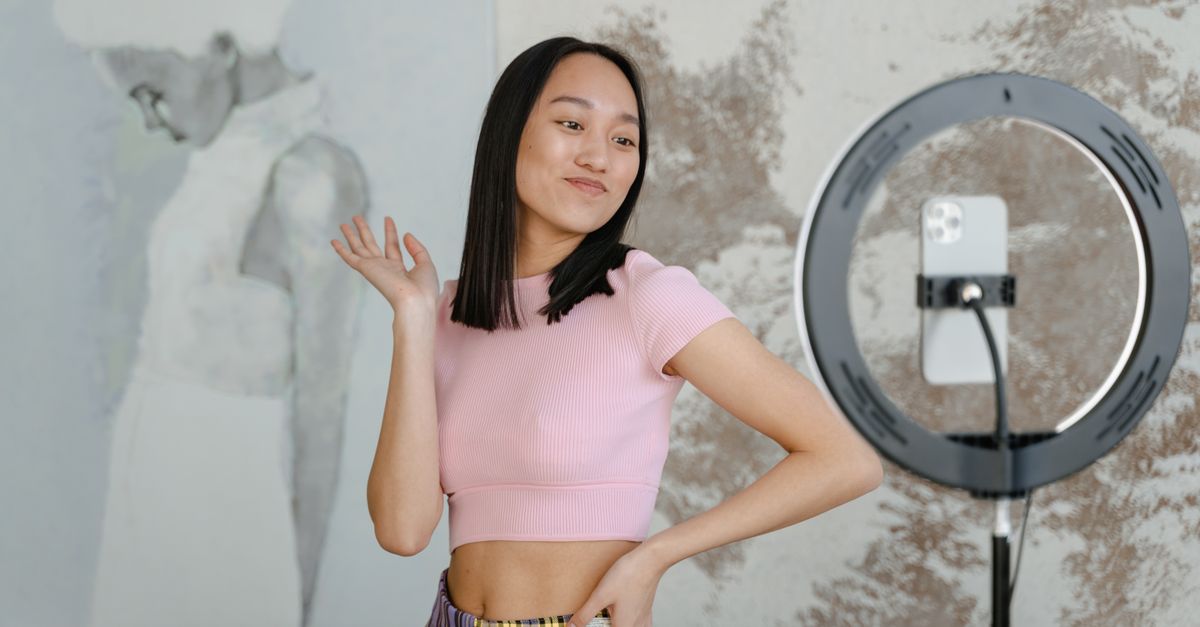
Let's be real: this shift terrifies a certain kind of industry veteran. The ones who spent decades climbing the ladder, paying dues, and waiting tables between auditions. They look at a 19-year-old with a ring light and think, "That's not fair."
Maybe it isn't. But fair was never the point. The point is attention, and TikTok hands it out like Halloween candy.
Here's what I tell anyone trying to break into entertainment right now:
- Your follower count is your resume. Nobody cares about your MFA if you can't get eyeballs.
- Consistency beats perfection. Posting daily, even if it's rough, builds more momentum than one polished video a month.
- Niche down, then blow up. The algorithm rewards specificity. Be the "funny chef" or the "dramatic storyteller," not just "person who exists."
- Cross-platform or die. TikTok is the engine, but YouTube, Instagram, and even podcasts are where you build the empire.

The Oscars Are Going to Have to Deal With This Eventually
Here's my prediction, and I'll plant my flag on it: within five years, we'll see a TikTok-native creator win a major acting award. Not a nomination for clout — an actual win. The Academy is already scrambling to stay relevant with younger audiences, and the ratings prove it.
When that happens, the last wall falls. Hollywood won't just tolerate TikTok stars — it'll depend* on them.
So here's my question for you: if you had a camera, a phone, and 15 seconds to make someone care — what would you say?
Because that's the new audition. And it's happening right now, whether Hollywood likes it or not.





