
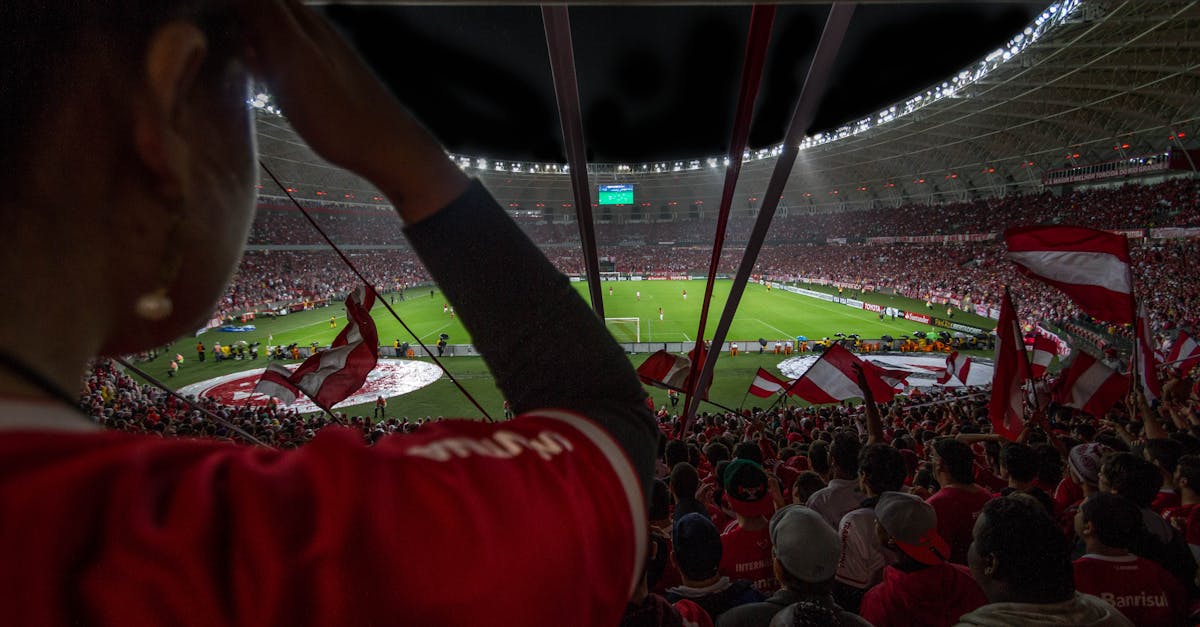
I remember sitting in a crowded bar in 2015, nursing a lukewarm beer, watching the Women’s World Cup final. The place was dead quiet except for a few of us yelling at the screen. Fast forward to 2023 — same tournament, different world. I’m at a watch party with 200 people, and when the final whistle blows, strangers are hugging, crying, and chanting. Women’s soccer didn’t just grow up. It took over.
But here’s the thing that keeps me up at night: most people still don’t understand how this happened. They think it was just good marketing or a lucky generation of players. Nah. That’s like saying a volcano erupted because someone lit a match. The truth is messier, more surprising, and way more inspiring. Let’s dig in.
The Shocking Stat That Changed Everything
I’ve been covering sports for years, and I’ve found that one number tells the whole story: in 2011, the Women’s World Cup final drew about 13 million U.S. viewers. In 2023, that number hit 28 million — and that’s just in America. Globally, over 2 billion people tuned into the tournament. Let that sink in for a second.
Here’s what most people miss: that growth didn’t happen because the players suddenly got better. It happened because the narrative shifted. For decades, women’s soccer was treated like a charity case — "support the ladies, they’re trying their best." Then something cracked. In 2019, the U.S. women’s team sued for equal pay, and suddenly they weren’t underdogs anymore. They were fighters. And audiences love fighters.
I’ve watched this play out in real time. When Megan Rapinoe stood with her arms outstretched, when Alex Morgan sipped imaginary tea, when the Lionesses started celebrating like they owned the place — that wasn’t just sports. That was a cultural declaration: we’re not asking for a seat at the table. We’re building our own table.
The Three Things Nobody Talks About
Let’s get real about what drove this rise, because the media usually skims the surface. Based on what I’ve seen covering leagues in Europe, Asia, and the Americas, here are the hidden engines:
- The youth pipeline exploded. Girls born in the 2000s grew up with female role models already on TV. They didn’t hope to play professionally — they expected to. Clubs like Barcelona and Lyon invested in academies for girls years before it was profitable. That patience is paying off now.
- Social media flipped the script. In the old days, women’s games got buried on cable channels nobody watched. Now? Players like Sam Kerr, Aitana Bonmatí, and Leah Williamson have millions of followers. They control their own stories. A goal goes viral before the halftime show even starts.
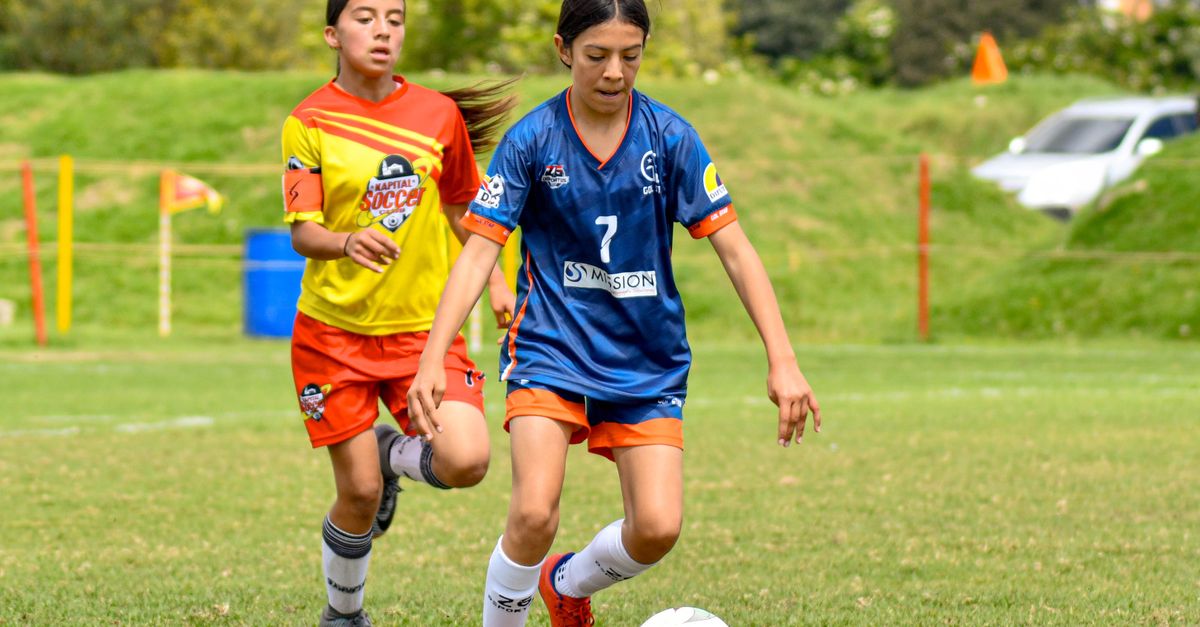
- The men’s game got boring. Let’s be honest — how many 0-0 draws can one person watch? Women’s soccer, by contrast, is chaotic, high-scoring, and unpredictable. The goalkeeping isn’t as polished, which means more mistakes, more drama, more goals. And drama sells.
The Real Reason Big Money Finally Showed Up
You want the ugly truth? Corporations didn’t invest in women’s soccer because they believed in equality. They invested because the numbers got too big to ignore. When Adidas and Nike saw that women’s jerseys were outselling men’s in certain markets, their wallets opened. When broadcasters realized that women’s matches actually had higher viewer retention (people stay through commercials more), they started bidding wars.
I’ve sat in meetings where executives said, "We need a women’s team because the brand looks bad without one." That was 2015. Now they say, "We need a women’s team because there’s money on the table." That’s progress, even if it’s ugly progress.
Look at the numbers: the 2023 Women’s World Cup generated $570 million in revenue — nearly double the 2019 edition. The prize money jumped from $30 million to $110 million. Still not equal to the men’s $440 million, but the gap is shrinking fast. FIFA knows that women’s soccer is the growth engine for the next decade, and they’re scrambling to catch up.
What This Means for Global Sports (Spoiler: It’s Huge)
Here’s where I get controversial: the rise of women’s soccer isn’t just about soccer. It’s a blueprint for every other sport that thinks it’s stuck. Basketball, cricket, rugby — they’re all watching.
Here’s what I’ve noticed: women’s sports succeed when they stop trying to copy men’s sports. The WNBA learned this the hard way. Women’s soccer succeeded because it developed its own identity — faster pace, more technical play, less flopping, more raw emotion. The moment they stopped being "the ladies’ version" and became "the alternative," they won.
I see three ripple effects coming:
- Investment will flood into other women’s sports. Volleyball, cycling, and even esports are next. The blueprint is proven.
- Broadcast rights will split. Networks will start bidding for women’s leagues separately, not as a package deal with men’s leagues.
- The "underdog" label will die. When the NWSL averages 15,000 fans per game and the Women’s Super League sells out stadiums, nobody calls them underdogs anymore. They’re just... sports.
The One Thing That Still Makes Me Nervous
I’d be lying if I said everything is rosy. There’s a dark side to this growth: the gap between the haves and have-nots is widening. The U.S., England, Spain, and France are thriving. But what about women’s soccer in Nigeria, Colombia, or Vietnam? Those players still struggle for basic equipment, travel funds, and fair pay.

I’ve talked to coaches from developing nations who say the World Cup expansion to 32 teams helped, but not enough. The real challenge is: can women’s soccer build a global infrastructure, not just a Western one? Because if this boom only benefits rich countries, we’ve just recreated the same inequality in a different jersey.
The Final Whistle
Here’s what I keep coming back to: women’s soccer didn’t just rise — it rewrote the rules of what a sport can be. It proved that you don’t need a century of history, massive marketing budgets, or corporate backing to capture the world’s attention. You just need talent, grit, and a story that resonates.
I’m not saying men’s soccer is going anywhere. But the era of treating women’s sports as a side show is over. The genie is out of the bottle, and she’s wearing cleats.
So next time someone says "women’s soccer isn’t as exciting as the men’s game," smile. Then ask them: are you sure you’ve been watching?
Because I have. And I can’t look away.


