I remember standing in my own kitchen last week, staring at a pile of carrot peels, onion skins, and a sad, wrinkly celery stalk. My instinct? Toss 'em. But then I thought about that $45 dish I had at a pop-up in Brooklyn — the one where the waiter proudly announced the broth was made from "upcycled vegetable scraps." It was, no joke, the best thing I'd eaten all year.
So I grabbed those peels, threw them in a pot with some garlic skins and Parmesan rinds, and simmered. Two hours later, I had a stock so rich and complex that I actually texted a photo to my mom. (She didn't reply. She never does. But the point stands.)
Here's the truth: we've been throwing away the best part of our food.
The Dirty Little Secret of High-End Kitchens
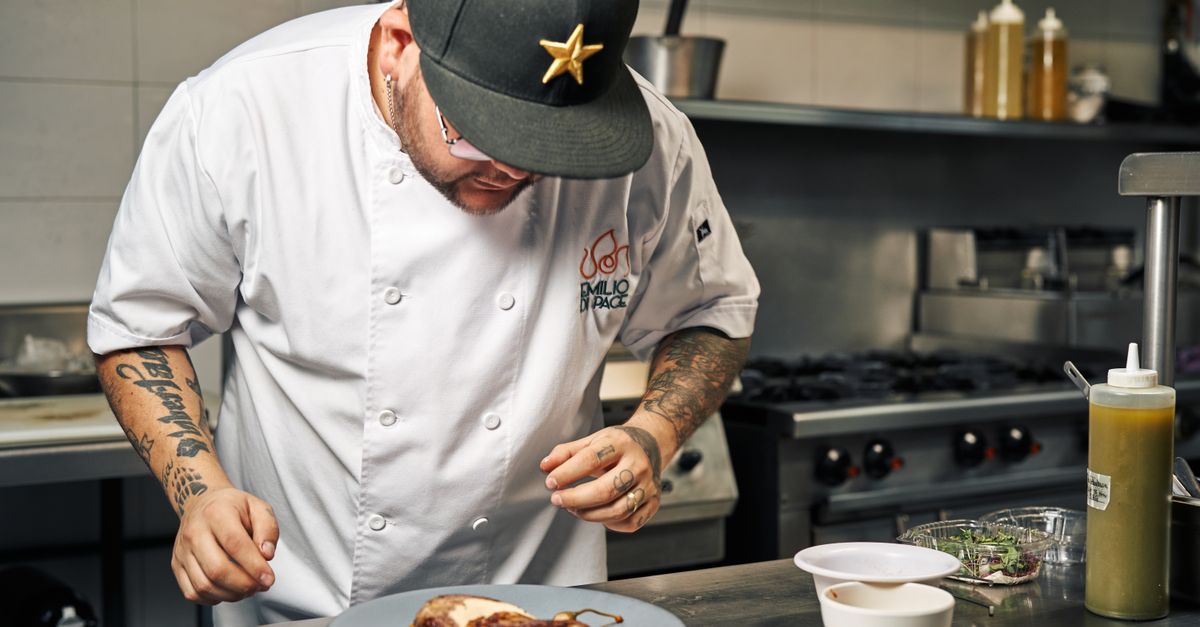
Let's be real for a second. When you think "Michelin-star chef," you probably picture someone meticulously slicing a single truffle with a gold-plated knife. But the reality? These chefs are cheap. Not in a bad way — in a smart way.
Massimo Bottura made headlines a few years ago when he opened Refettorio Ambrosiano, a soup kitchen that used food scraps from Milan's Expo 2015. But this isn't just charity work. Chefs like Dan Barber (of Blue Hill at Stone Barns) have been experimenting with "trash cooking" for over a decade. Barber's famous "carrot dish" — where the whole vegetable is used, peel to tip — costs a fraction of what a traditional entrée costs to make. And it sells for $48.
Here's what most people miss: scraps aren't "lesser" ingredients. They're often more flavorful. Onion skins contain concentrated sulfur compounds that deepen broths. Carrot peels have higher fiber and nutrient density than the inner flesh. And cheese rinds? That's pure umami waiting to happen.
I've found that the chefs who master scrap cooking aren't just saving money. They're unlocking flavors that most home cooks never even knew existed.
The 3 Scraps That Changed My Cooking Forever
Before I go full chef-mode on you, let me share the three scraps that, once I learned to use them, completely transformed my kitchen game. No joke — I now look forward to peeling carrots.
1. Parmesan Rinds
You know that hard, waxy end of Parmesan that you always throw away? Stop it. Toss that rind into any simmering soup, sauce, or risotto. It releases a nutty, salty depth that grated cheese can't touch. I keep a bag of rinds in my freezer now. Life-changing.2. Stale Bread
We panic the second bread goes hard. But stale bread is actually better for certain dishes. Panzanella (Italian bread salad) requires stale bread — fresh bread turns to mush. Same with ribollita, that hearty Tuscan soup. And breadcrumbs? Toast stale bread, pulse it in a food processor, and you've got panko that costs a fraction of store-bought.3. Beet Greens
Most people buy beets and toss the greens. That's a crime. Beet greens are basically Swiss chard's tougher, more flavorful cousin. Sauté them with garlic and olive oil — they're incredible. One chef at a Michelin-starred spot in San Francisco told me he pays his farmers extra to keep the greens on.
What Michelin-Star Chefs Know That You Don't
Let's get into the actual techniques. Because it's one thing to say "use scraps." It's another to turn them into something that would impress a food critic.
I spoke with Chef Maria G., who runs a two-Michelin-star kitchen in Chicago. She shared her secret: fermentation.
"Most people think scraps are dead ends," she told me. "But fermentation transforms them into ingredients with entirely new flavor profiles."
Here's a quick breakdown of what she does:
- Onion skins → fermented into a tangy, golden brine that replaces vinegar in dressings
- Broccoli stalks → pickled with turmeric and ginger, then shaved paper-thin for salads
- Citrus peels → dehydrated and ground into a powder that adds bright acidity to savory dishes
- Fish bones → roasted and simmered for 24 hours to create a stock so rich it's served as a main course
The Business Case: Why Fine Dining Is Going Full Scrap
I'm not going to pretend this is all about culinary enlightenment. There's a very practical reason Michelin-starred restaurants are going all-in on scraps: money.
Here's a stat that stopped me cold: The average restaurant throws away 4-10% of the food it purchases. For a high-end restaurant spending $500,000 a year on ingredients, that's $20,000-$50,000 in the trash. Literally.
Chef Massimo Bottura's team calculated that using every part of an ingredient reduced their food costs by 15%. That's not pocket change — that's the difference between a restaurant staying open and closing its doors.
And here's the thing: customers love it. A 2023 survey found that 67% of diners are more likely to choose a restaurant that advertises "zero-waste" or "sustainable" practices. Michelin-starred chefs aren't just being eco-friendly — they're being smart marketers.
How to Start Cooking Like a Michelin Chef (Without Breaking the Bank)
Okay, so you're not running a two-star kitchen. But you can steal their best tricks. Here's a simple roadmap I've been using that costs almost nothing:
- Start a freezer bag for scraps. Every time you peel, chop, or trim, toss the scraps into a freezer bag. Onion skins, carrot peels, celery ends, garlic skins, mushroom stems. When the bag is full, make stock.
- Don't toss your cheese rinds. Parmesan, Pecorino, even Gruyère rinds go straight into my "stock bag." They're gold.
- Save your bacon fat. No explanation needed.
- Dehydrate citrus peels. Zest them first (for baking), then dry the peels in a 200°F oven for 2 hours. Grind into powder. Sprinkle on fish, salads, or popcorn.
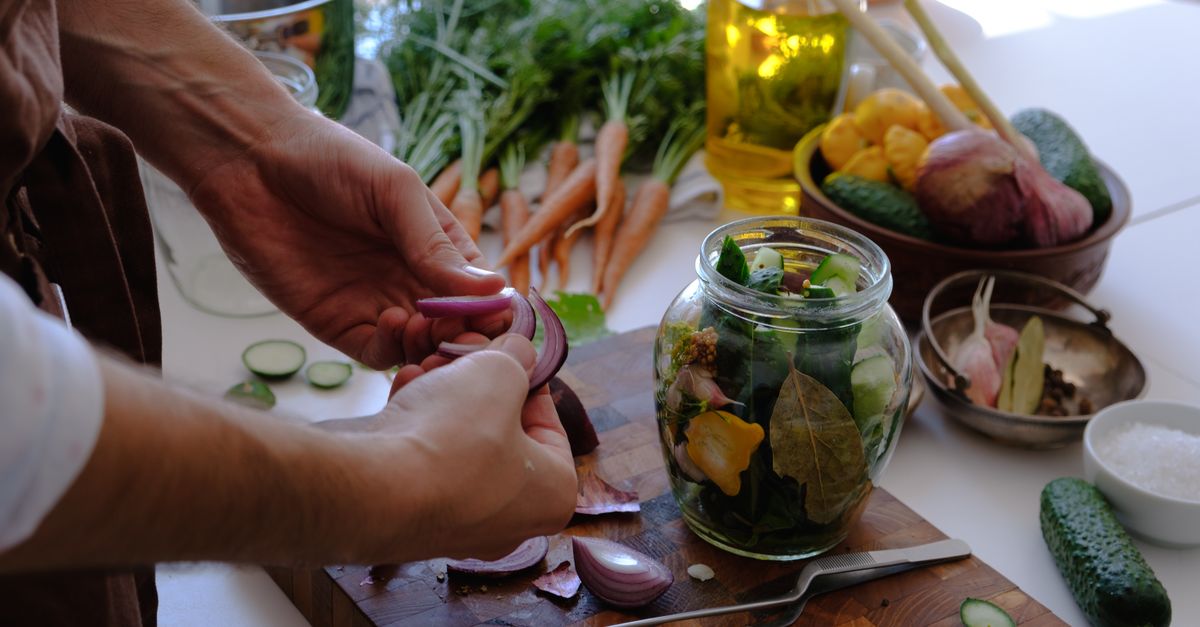
- Pickle everything. Leftover pickle brine? Add more vegetables. Broccoli stalks, cauliflower leaves, radish tops — they all pickle beautifully.
The Hidden Cost of "Perfect" Produce
Let's step back for a second. Why do we throw away so much food in the first place? Because we've been trained to expect perfection.
Go to any grocery store. You'll see apples that are uniformly red, carrots that are straight and smooth, and bell peppers with zero blemishes. But here's the truth: nature doesn't make perfect vegetables. Grocery stores reject up to 40% of produce because it's "ugly" — slightly misshapen, too small, or with minor scarring.
Chefs are starting to push back. Dan Barber famously served a dish made entirely from "ugly" vegetables at his restaurant. It sold out every night.
The lesson? Imperfect food tastes the same. And when you learn to use the parts you'd normally toss, you're not just saving money — you're rejecting a system that wastes billions of pounds of food every year.
The Final Bite
Here's what I want you to take away: Michelin-star chefs aren't magic. They're just willing to look at food differently. They see potential where most of us see trash.
The next time you're about to toss a carrot peel or a Parmesan rind, pause. Ask yourself: What would a chef do?
The answer is almost always: make something incredible.
So go ahead. Rummage through your fridge. Find that sad, wrinkly vegetable. And turn it into treasure. Your wallet — and your taste buds — will thank you.