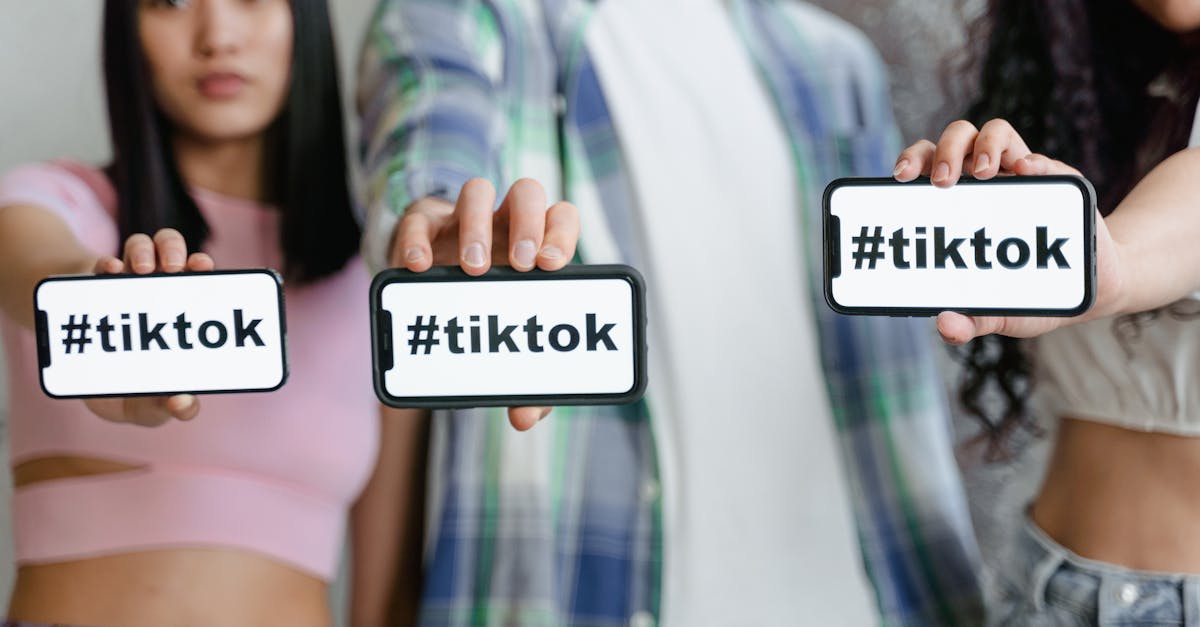
I remember the exact moment I knew something had shifted. I was in a packed theater, waiting for Guardians of the Galaxy Vol. 3 to start. The trailer had teased a familiar, thumping beat. When the actual scene hit — Rocket Raccoon, tears in his eyes, and that song — half the audience started humming along. Not because they were old-school fans of the track. Because they’d heard it on TikTok. Specifically, in a video of a golden retriever dramatically sighing at its owner.
Hollywood, meet your new A&R department: a 15-second loop of chaos, nostalgia, and cat videos.
The Old Rules: Soundtracks Were Curated, Not Crowdsourced
Let’s be honest for a second. Before TikTok, movie soundtracks felt like they were chosen by your cool uncle who still brags about his vinyl collection. Music supervisors spent months digging through obscure B-sides, licensing old classics, or commissioning original scores. It worked. We got Pulp Fiction’s surf rock and Baby Driver’s choreographed chaos. But it was slow. Painfully slow.
Here’s what most people miss: the gap between a song’s release and its cultural peak used to be years. A track from 1975 might find its way into a 1995 movie. Now? A song can go from a teenager’s bedroom to a Marvel post-credits scene in under six months. That’s not evolution. That’s a speed run.
I’ve found that the shift happened quietly around 2020. When theaters shut down, studios panicked. They needed guaranteed emotional hooks. And where do you find guaranteed emotional hooks? Where millions of people are already crying, laughing, and dancing to the same 30-second clip.
The Science of the Scrubbed-In Hook
So how does a viral sound actually land in a blockbuster? It’s not random. It’s not just “the song was popular.” There’s a method, and it’s terrifyingly efficient.
- The 15-Second Test – Music supervisors now check if a song has a “hook moment” that works without context. If it doesn’t grab you in 15 seconds, it’s dead.
- The Meme Residue – A track that’s been used in 100,000 dance videos carries emotional shorthand. You feel the energy before the scene even starts.
- The Algorithmic Proof – Studios actually buy data from TikTok. They know exactly how many times a sound was shared, in which demographics, and with what emotional reaction.
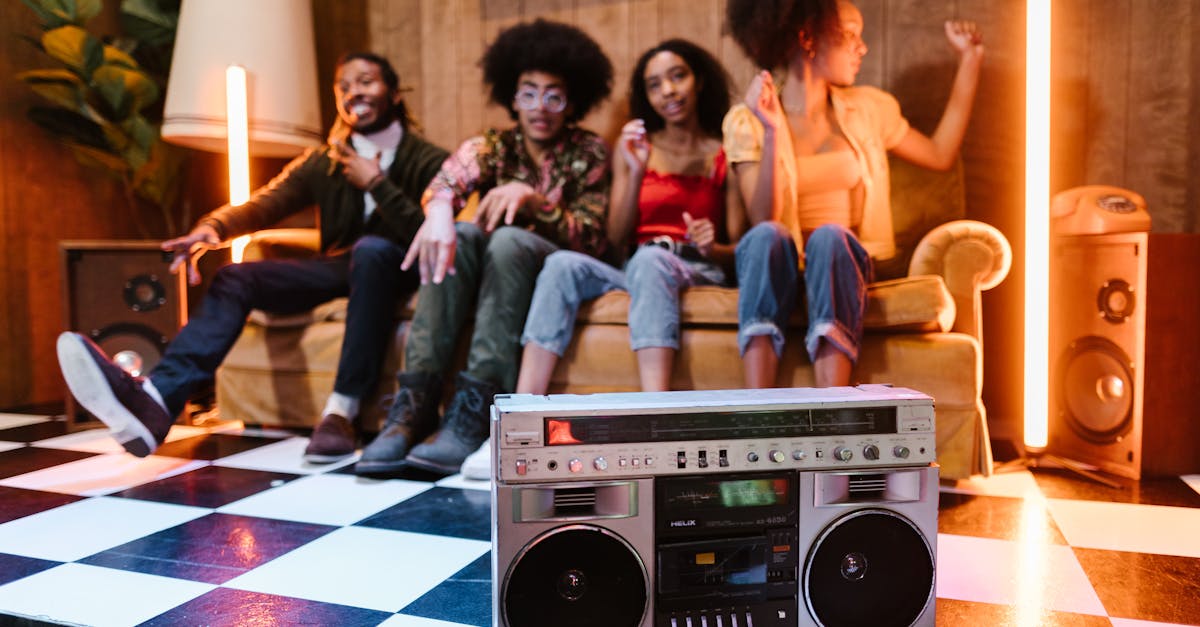
When the Soundtrack Becomes the Plot Device
Here’s where it gets weird. Viral sounds aren’t just background noise anymore. They’re becoming narrative engines.
Think about The Super Mario Bros. Movie. When “Peaches” dropped — that absurd, auto-tuned ballad from Bowser — it wasn’t just a funny moment. It was a direct callback to the meme culture that already surrounded Jack Black’s chaotic energy. The joke worked because the audience had already been primed by TikTok remixes of “Peaches” weeks before the film opened.
Or take Barbie. The entire soundtrack was a meta-commentary on virality. “I’m Just Ken” wasn’t just a power ballad — it was a parody of toxic masculinity and a TikTok challenge waiting to happen. Ryan Gosling didn’t just sing. He performed a meme in real-time.
I’ve noticed that the line between “soundtrack” and “content marketing” has completely dissolved. Studios now release songs from movies weeks before the premiere, not to build hype, but to let the algorithm do its work. They want the dance challenges. They want the emotional edits. Because by the time you sit down in the theater, you’ve already rehearsed your emotional response.
The Hidden Cost: Creativity vs. The Algorithm
Let’s not pretend this is all sunshine and viral hits. There’s a dark side, and it’s sitting in a boardroom somewhere.
The pressure to chase trends is killing sonic diversity. I’ve talked to indie music supervisors who say studios now demand “TikTok-adjacent” tracks — uptempo, high-energy, with a clear 15-second hook. Slow builds? Ambient textures? Complex tempo changes? Good luck. If it can’t be scrubbed into a 30-second clip, it’s off the table.
This is where I get frustrated. Look at Oppenheimer. That score worked because it was long, brooding, and refused to give you a dopamine hit. It was the anti-TikTok soundtrack. And it was brilliant. But can you imagine pitching that to a studio today after they’ve seen the analytics?
“Sir, the song is three minutes long and doesn’t have a dance challenge.”
“Cut it.”
Here’s the truth: the algorithm optimizes for engagement, not artistry. And when you let a social media platform dictate your creative decisions, you risk making movies that feel like they were assembled by committee — or worse, by a bot.
How Smart Filmmakers Are Playing Both Sides
But not everyone is caving. The best directors are finding a middle ground — using viral sounds as a tool without letting them become the master.
Look at Everything Everywhere All At Once. The soundtrack was a chaotic mix of classical, rap, and experimental noise. Did it have viral moments? Absolutely. “Absolute Territory” became a TikTok anthem for weird dance videos. But the songs weren’t chosen for virality. They were chosen because they fit the chaos. The virality was a happy accident.
The smartest move? Use viral sounds for entry points, not entire scenes. A familiar hook can pull a casual viewer into a moment, but the moment itself has to earn the emotion. You can’t just slap “Cbat” over a car chase and call it art. (Though I’d pay to see that.)
I’ve found that the directors who succeed are the ones who treat TikTok like a research tool, not a rulebook. They listen to what’s trending, but they ask why it’s trending. Is it the beat? The lyrics? The nostalgia? Then they reverse-engineer that emotion into their own work.
The Future: Soundtracks That Feel Like a Shared Dream
So where are we headed? I think we’re moving toward a world where soundtracks are fluid, participatory, and deeply personal.
Imagine a movie that changes its soundtrack based on your location or the time of day. Or a film that releases multiple “soundtrack cuts” — one for TikTok, one for streaming, one for the theater. Studios are already experimenting with “adaptive scores” in interactive content. It’s only a matter of time before linear movies follow.
But here’s the real question: will we still be surprised?
The magic of a great movie soundtrack is the unexpected. That moment when a song you’ve never heard hits you in the chest and you don’t know why. If we algorithmize that moment, we risk losing the very thing that makes music in film so powerful — the feeling that it was made just for you, in that exact second.
I’m not saying we should ditch the viral sounds. Some of my favorite movie moments this year have been built on TikTok-beloved tracks. But I’m begging Hollywood to remember: the algorithm knows what you liked. It doesn’t know what you need.
So next time you hear a song in a trailer and think, “Wait, I saw that on TikTok,” ask yourself: am I excited because the movie earned it? Or because my brain has been conditioned to clap for a familiar noise? The answer might surprise you.
And if you’re a filmmaker reading this? Please, for the love of cinema, don’t put “Cbat” in a car chase. Some things are sacred.