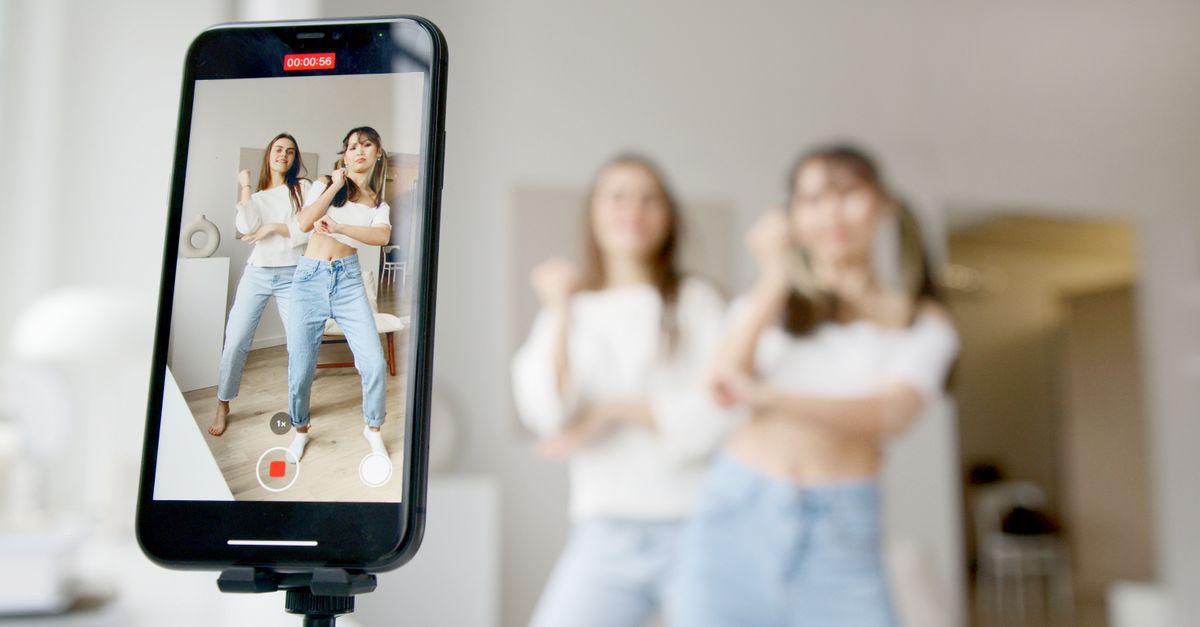
Let’s get one thing straight: Hollywood’s marketing departments are terrified of a teenager with a laptop and a cracked copy of After Effects. And honestly? They should be.
For decades, the movie industry operated on a simple formula: spend $200 million on a film, spend another $150 million on global ad campaigns, and pray the opening weekend numbers don't make the CFO cry. Trailers were sacred relics, meticulously crafted by agencies and dropped with military precision. But somewhere around 2021, the calculus broke. The audience stopped waiting for the trailer. They started making their own.
I’ve watched this shift happen in real-time, and it’s not just a cute internet trend. It’s a hostile takeover of the creative pipeline. Fan-made trailers have evolved from goofy YouTube edits into sophisticated marketing assets that routinely outperform the official studio cuts. And if you think the studios hate it, you’re half right. They hate that they didn’t think of it first.
The "Free Labor" Economy Is a Billion-Dollar Secret
Here’s what most people miss: the fan trailer isn't just a remix. It’s a data signal. When a fan spends 40 hours cutting a trailer for a film that hasn't been released yet, they are doing the studio's demographic research for free. They are telling the studio exactly what the core audience wants to see.
Let’s be honest, the official trailers for a lot of blockbusters are garbage. They spoil the third act, use that weird "braaam" sound effect that peaked in 2012, and they look like they were edited by a committee of executives who hate fun. The fan edits, however, are pure id. They cut for vibe. They cut for emotion. They don't care about marketing surveys.
I found this fascinating trend while looking at the "deepfake" casting videos on YouTube. You know the ones—where someone replaces Tom Holland with a 90s-era Leonardo DiCaprio in a Spider-Man clip. These aren't just memes anymore. They are prototypes. They show studios what a remake could look like, who the audience wants in the lead, and what tone resonates.
Studios have started mining this content obsessively. It’s cheaper than a focus group, and it’s infinitely more honest.
The "Trailer as Content" Paradox
The old model was: Trailer = Ad. The new model is: Trailer = Content.
We live in an era where the trailer drop is bigger news than the film's production announcement. But here is the twist—the official drop is now competing with the reaction video to the trailer, and the fan-made response to the reaction video.
The fan trailer has become the counter-programming.
I remember seeing the fan-made "live-action" trailers for The Last of Us before HBO even started shooting. People were using clips from other movies and AI upscaling, and they generated more hype in the gaming community than any official press release ever could. Why? Because they felt like a love letter, not a sales pitch.
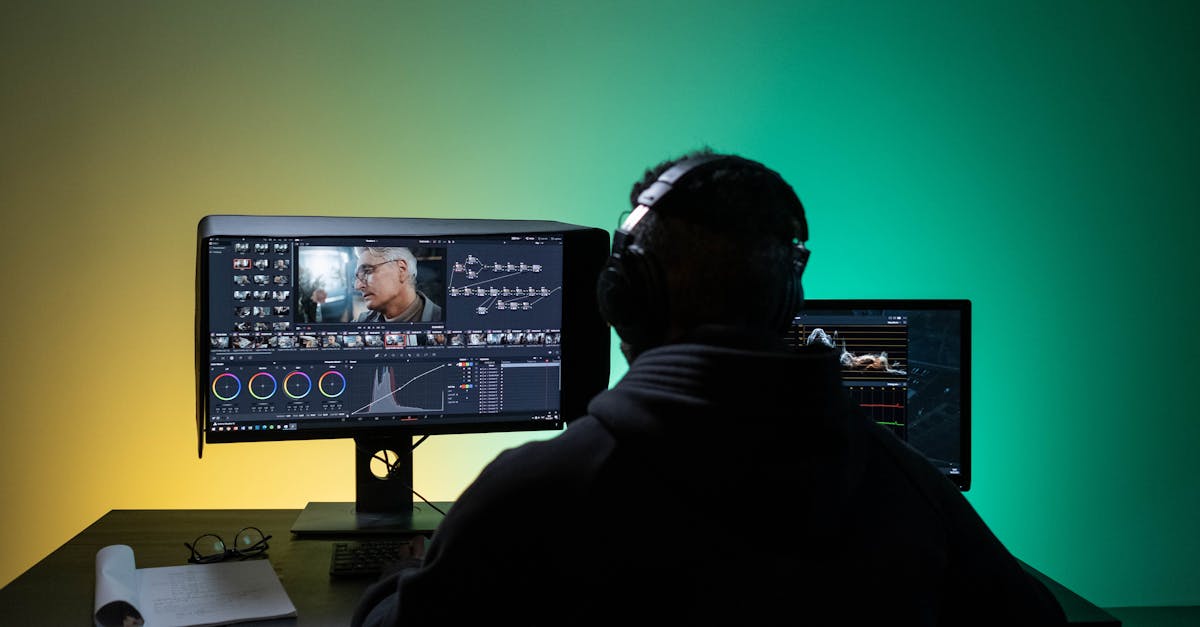
This is the dirty secret of the entertainment industry: Authenticity beats polish. A slightly scuffed, passionate edit from a fan with a specific vision feels more "real" than a $2 million super bowl spot. The studios are realizing that if they want to win the internet, they have to let go of the pixel-perfect control they cling to.
Why Studios Are Starting to Hire the "Rivals"
This is the part that makes the old guard sweat. In 2023, we saw an explosion of studios hiring fan editors directly. It started with small horror flicks—where the internet buzz is the only marketing budget—and now it's creeping into the big leagues.
Why? Because the fan editors understand the algorithm better than the agencies do.
Agency editors care about aspect ratios and sound mixing. Fan editors care about the "vibe shift" on TikTok. They know that you have exactly 1.5 seconds before someone swipes away. They know that the audio needs to hit a specific bass drop to trigger the "For You" page.
Here are the three things fan editors do that corporate trailers don't:
- They hide the plot. They are masters of misdirection. They show you the feeling of the movie, not the plot points.
- They use trending audio. Not orchestral scores. They use niche indie songs or sped-up versions of 80s hits that are currently viral.
- They cut for the phone screen. They know most people watch on a vertical screen with the volume on. They don't design for IMAX; they design for the bus commute.

The Risk of Letting the Fans Win
Now, let's pump the brakes. It isn't all sunshine and viral success. There is a dark side to this "democratization" of marketing.
The fan trailer sets expectations that the actual film can never meet.
I’ve seen fan edits that are so viscerally beautiful that the real movie looks like a cheap knockoff by comparison. This is the "Parasite" problem. The fan edits for Joker 2 were cinematic gold—dark, gritty, psychological. The actual film was a musical. The gap between the fan-made hype and the studio reality created a box office bomb.
Studios are now in a weird spot. They want the free hype, but they are terrified of the "misdirected hype." When fans edit a comedy to look like a thriller (which happens a lot), the studios have to spend more money on counter-marketing just to correct the narrative.
It’s a volatile relationship. It’s like letting a passionate chef cook in your restaurant, but they only know how to make one perfect dish, and your menu is entirely different cuisine.
The "AI" Elephant in the Editing Room
We can't talk about fan-made trailers reshaping Hollywood without talking about the tool that supercharged them: Generative AI.
I’ve been testing some of the new AI video tools, and honestly, it’s wild. Fans are no longer limited to existing footage. They can generate entirely new scenes. They can put actors in costumes they never wore. They can create "leaks" that look 100% real.
This is the hidden danger. We are approaching a point where I won't be able to tell if a trailer is official or a fan-made fever dream. Just last month, I saw a fake trailer for a Wes Anderson Star Wars film that was so well made, it trended globally for two days. The comments were split between people begging Disney to make it and people who thought it was actual leaked footage.
This blurring of lines is reshaping the marketing playbook because it forces studios to claim their own IP loudly and frequently. If they don't, the fan version becomes the canon in the public's eye.

The New Playbook Isn't About Control
So, what does this mean for the future? Let me be brutally honest with you: The days of the "mysterious" trailer drop are numbered.
The new Hollywood marketing playbook is starting to look a lot like a collaboration with chaos. Instead of fighting the fan edits, the smart studios are leaning in. They are releasing raw B-roll footage to the public and saying, "Have at it." They are hosting fan-edit contests with cash prizes. They are turning the marketing campaign into a participatory sport.
This works because it creates a sense of ownership. If I cut a trailer for Dune: Part Three, I am emotionally invested in its success. I will share it. I will defend it. I will buy a ticket.
Hollywood is finally realizing that they don't buy attention anymore; they have to earn it through a dialogue with the audience. And the audience isn't talking back—they're editing.
So, the next time you see a trailer that gives you goosebumps, check the upload date and the channel name. It might not be the studio. It might be the future of the industry, hiding in plain sight. And honestly? It’s probably better than the official one anyway.





