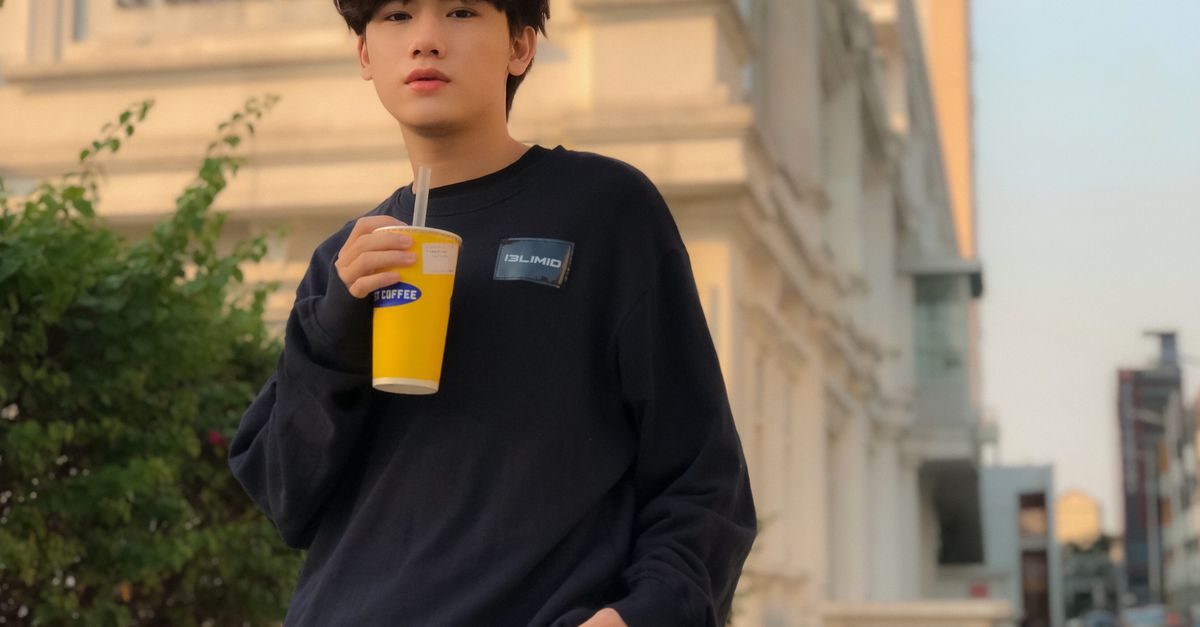
My 14-year-old niece, Kayla, looked at me last month with the kind of pity usually reserved for someone who still burns CDs.
"You still listen to albums?" she asked. "Like, the whole thing? In order?"
I tried to explain the concept of a B-side. She'd already scrolled past me.
Here's the thing — she wasn't being rude. She was being accurate. The way music gets discovered, consumed, and turned into a career has flipped completely, and 2025 might be the year the flip became permanent. The pipeline that used to run radio → label → tour now runs phone → algorithm → stadium. And honestly? It's the wildest thing to watch happen in real time.
The 15-Second Audition That Replaced the Demo Tape
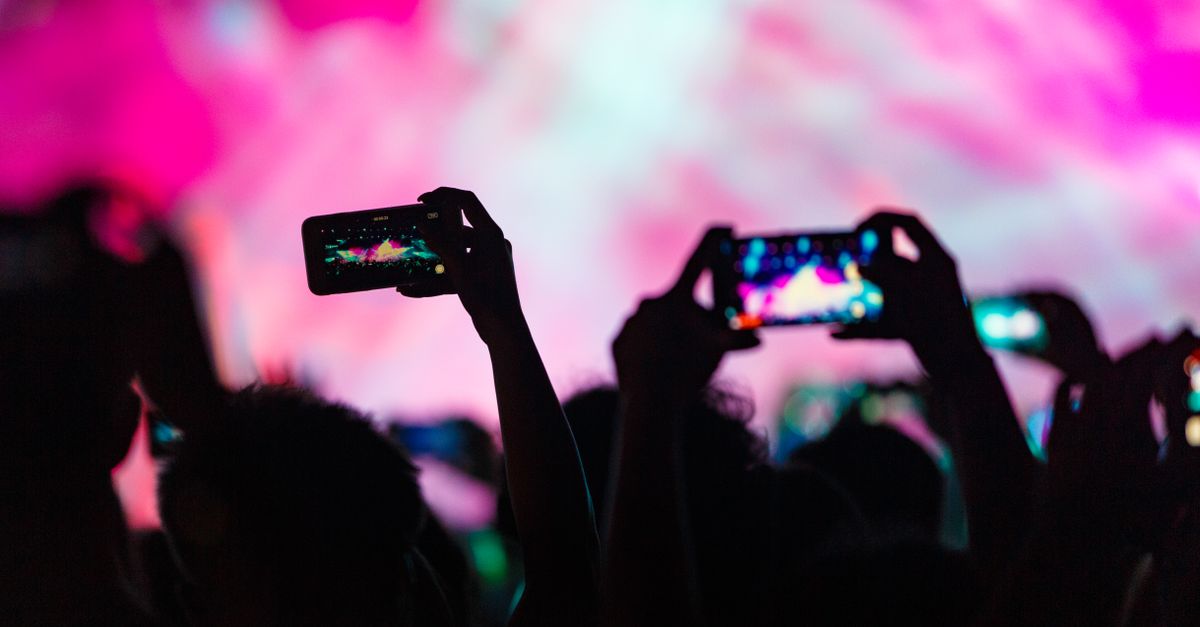
Remember when getting signed meant mailing a demo to a label and praying? I've talked to artists who spent years grinding that system. Now the audition is a 15-second clip, and the judges are 40 million strangers with the attention span of a goldfish.
Take the case of Alex Warren, whose song "Ordinary" became one of the most-streamed tracks on the planet this year after clips of him performing it for his wife racked up millions of views. Or Benson Boone, who went from a TikTok singing clip to selling out arenas faster than most artists finish a debut album cycle. These aren't flukes anymore. They're the blueprint.
Here's what most people miss: the song doesn't have to be good. It has to be clip-able. There's a difference.
- A drop that hits at second 7
- A lyric that works as a caption
- A dance, a reaction, a moment
- A hook you can hum before the video ends
From Bedroom Upload to Stadium Stage — The Speed Is Insane
Let's be honest about something. Ten years ago, the gap between "blowing up online" and "headlining a real venue" was measured in years. You needed a label, a booking agent, a radio push, a slow burn.
Now? The gap has collapsed to months. Sometimes weeks.
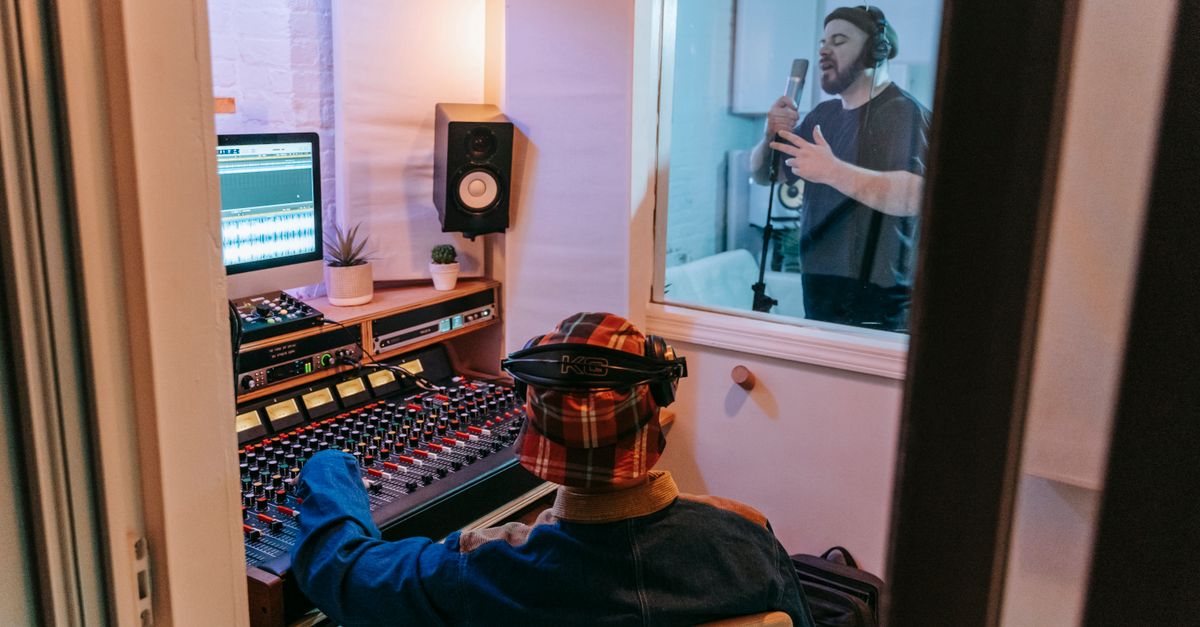
I watched a clip go viral in February. By August, that same artist was on a festival main stage with a crowd screaming every word back. No major label. No radio. Just an algorithm that decided this person mattered and a fanbase that showed up with actual money.
The numbers back this up. Viral-driven artists are filling venues that traditionally took a decade of touring to reach. Stadium tours are being announced off the back of streaming spikes, not album sales. The old gatekeepers aren't gone, but they've been demoted from bouncers to... consultants.
What changed? Three things:
- Discovery is instant and global. A hit in Manila is a hit in Manchester within a day.
- Fans buy tickets, not records. Live revenue is the prize, and viral fame converts to ticket sales terrifyingly fast.
- Artists own the relationship. Direct-to-fan tools mean no one has to wait for permission.
The Ugly Side Nobody Posts About
Okay, let me be the buzzkill for a second.
Viral fame is brutal on artists. The same algorithm that launches you will forget you in six weeks if you don't feed it. I've read interviews with artists who describe the pressure as "running on a treadmill that's speeding up while someone films you."
And the music itself? A lot of it is being written for the algorithm first, humans second. Songs get shorter. Intros disappear. Choruses arrive in under 30 seconds because that's where the retention graph lives. We're optimizing art for a machine that doesn't even like music — it likes engagement.
Is that bad? Not necessarily. But it's worth naming. Every era of music has been shaped by its delivery format — vinyl gave us album sides, CDs gave us 74 minutes, streaming gave us the skip button. TikTok gave us the hook economy. Pretending otherwise is nostalgia, not analysis.

What This Means If You're an Artist (Or Just Love Music)
Here's my honest take, and I say this as someone who's watched this shift up close.
The viral hit is a door, not a house. The artists who survive this year's chaos are the ones who treat a viral moment as the beginning of a career, not the whole thing. They build a live show. They write a real catalog. They give fans a reason to stay past the 15 seconds.
If you're making music right now, the playbook looks something like this:
- Design for the clip, but write for the album. The hook gets them in; the depth keeps them.
- Own your audience. Email lists, Discord servers, whatever — the algorithm is a landlord, not a friend.
- Play live as early as possible. Viral streams are rented; a fan who saw you sweat in a 200-cap room is yours.
That's kind of magical, even if it's also kind of exhausting.
The Real Question Is What Comes Next
So here we are. Viral hits are redefining the music industry in real time — faster discovery, faster burnout, bigger stages, shorter songs. The machine is louder than ever. But the people feeding it are still just people, posting clips from their bedrooms, hoping the right 15 seconds lands.
My niece will probably never listen to an album front to back. Fine. But she'll scream every lyric at a stadium next summer, phone in hand, filming a moment she'll post before the song even ends.
And you know what? That's the new music industry. Not better, not worse. Just different — and moving faster than any of us can scroll past.
What's the last song you discovered through a video instead of a playlist? Drop it in the comments — I'm genuinely curious how many of us are living in Kayla's world now.