I was scrolling through TikTok at 2 AM (as one does) when I stumbled on a video of a guy doing a flawless impression of a subway door opening. It had 12 million views. Two months later, that same guy was performing at Radio City Music Hall in a show literally called The Subway Door: A Musical. I nearly choked on my popcorn. That’s when I realized: the line between your For You Page and Broadway is officially dead. In 2025, social media trends aren’t just influencing live entertainment — they’re rewriting the entire rulebook.
Let’s be honest: Broadway has always been a bit… stuffy. Velvet seats, hushed audiences, $200 tickets. But TikTok? TikTok is chaos – loud, messy, and deeply democratic. And right now, that chaos is storming the theater district. Here’s how the algorithm is taking over the stage.
The Viral-to-Stage Pipeline Is Faster Than Your Wi-Fi
Remember when it took years for a hit song to become a jukebox musical? Mamma Mia! took a decade. & Juliet took 20 years. In 2025, a sound goes viral on Tuesday, and by Friday, there’s a staged reading in a black box theater in Brooklyn. I’ve seen it happen.
Here’s what most people miss: it’s not just about popular songs anymore. It’s about moments. A dance challenge, a catchphrase, a specific type of laugh. Producers are now hiring “trend analysts” whose job is literally to monitor TikTok, Instagram Reels, and YouTube Shorts for patterns that could translate into live performance. If a skit about “the friend who takes too long to order coffee” gets 50 million views, you can bet there’s a writer pitching a one-act play about it.
I spoke to a casting director friend who told me that audition reels now have to include a “viral moment” segment. You have to show you can land a joke or a bit that could get clipped and shared. It’s wild – but it works. The data doesn’t lie.
The “Immersive FOMO” Economy
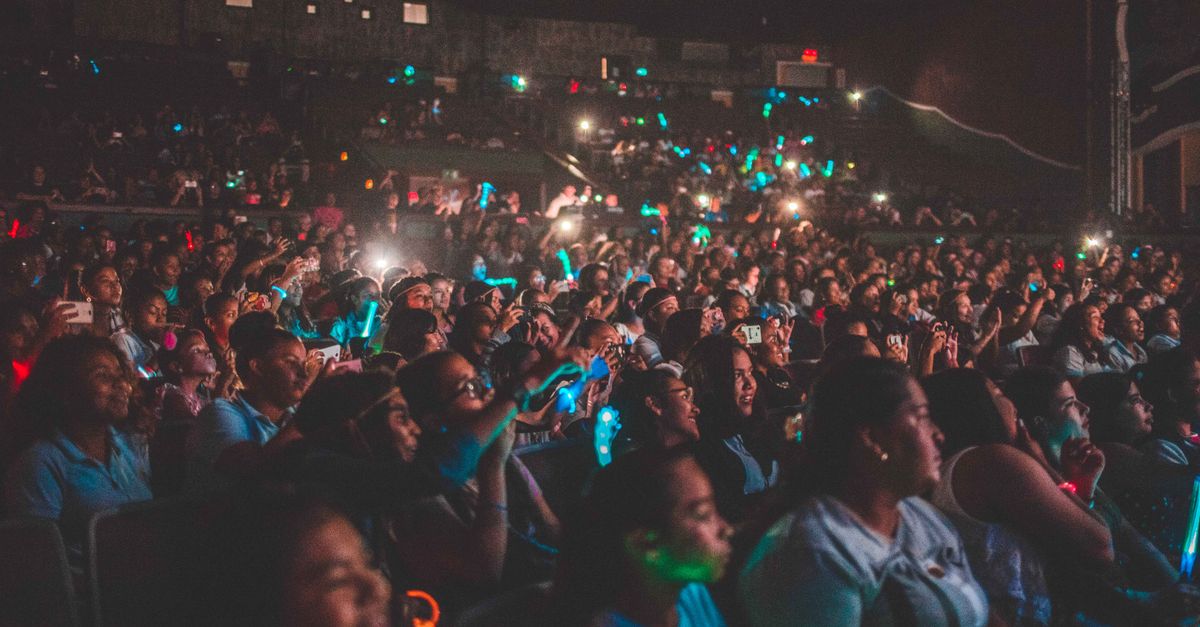
One trend I’ve been obsessed with is the rise of “interactive TikTok theater.” You know those choose-your-own-adventure videos where the comments decide the next move? In 2025, live shows are doing the same thing. Audiences vote on plot twists in real-time via their phones. The show changes every night based on what’s trending.
I went to one called #Viral in London last month. The premise? A group of influencers get trapped in an influencer house (very Squid Game meets The Circle). The audience voted on who gets “canceled” each act. It was chaotic, messy, and the most alive I’ve felt in a theater in years.
The secret? It’s not about the story – it’s about the shared experience. People don’t just want to watch; they want to participate in the moment. Social media has trained us to be co-creators, not passive consumers. Live entertainment is finally catching up.
The Rise of the “Alt-Ticket” and Micro-Venues
Broadway’s expensive. We all know this. But TikTok has birthed a new phenomenon: the “alt-ticket.” These are shows that start as viral challenges or live-streamed improv battles in tiny venues (think 50 seats, no curtains, just vibes). They sell out in minutes because the hype cycle is compressed.
I’ve found that the most successful shows in 2025 aren’t the ones with the biggest budgets. They’re the ones with the most shareable moments. A single, perfectly timed comedic beat that can be turned into a 15-second clip. A set design that looks like a green screen. A costume that makes you go “wait, how did they do that?”
Producers are now designing shows backwards – first, they ask: “What will make people pull out their phones?” Then they write the script. It sounds cynical, but honestly? It’s making theater more accessible. These micro-shows cost $20 a ticket. They’re raw, weird, and often funnier than anything on the main stage.
When the Algorithm Casts the Show
Here’s a spicy take: In 2025, the audience is the casting director. I’ve seen multiple productions where the lead role was chosen based on who went viral during the preview period. If an understudy does a hilarious bit during a curtain call and it gets 2 million views, guess who’s up for the Tony nomination?
This is both amazing and terrifying. On one hand, it gives a platform to voices that traditional theater gatekeepers ignored. On the other hand, it creates a pressure cooker where performers are constantly performing for the algorithm while performing live. It’s exhausting to watch – and even more exhausting to do.
But let’s be real: the old system wasn’t exactly fair either. At least now, a kid from Omaha with a weird sense of humor has a shot at standing on a Broadway stage.
The Soundtrack of the For You Page
Musicals have always been about the songs. But now, the songs often exist before the show. The music is trending before the first act is even written. Producers are releasing singles on TikTok to test audience reaction. If a track doesn’t get enough saves or remixes, it gets cut.
I saw a workshop production of a musical called Scrolling (yes, really) where the entire score was built from sounds that had gone viral: the “oh no no no” sound, the “I am a woman” speech, even the sound of a TikTok notification. It was jarring at first, but by the end, I was humming the notification tone.
This is the truth: social media trends are the new folk music. They’re the cultural shorthand we all share. Using them in live entertainment isn’t just smart – it’s inevitable.
The Show Must Go… Live-Stream
Maybe the biggest shift of 2025? The show doesn’t end when the curtain falls. Every Broadway show now has a “TikTok call” after the performance. Cast members come out, recreate viral dances, do Q&As in character, and create content for fans who couldn’t afford a ticket. It’s genius marketing – and it’s blurring the line between performer and fan.
I’ve seen cast members go from signing Playbills to filming a duet with a fan’s video in under five minutes. It’s chaotic, but it’s building loyalty in a way that traditional theater never could. The audience isn’t just watching a show; they’re joining a community.
So, What Does This Mean for 2026?
Here’s my prediction: the best live entertainment in 2026 will be the stuff you can’t screenshot. The magic of live theater has always been about being in the room. But now, that room is connected to a global feed. The shows that thrive will be the ones that embrace that connection without losing the soul of the live experience.
I’m not saying every show needs a dance challenge. But if you’re creating live entertainment in 2025 and you’re not paying attention to what’s happening on your For You Page, you’re already behind.
Go ahead – watch a show, then watch the app. See if you can tell the difference anymore.