
I remember the exact moment I realized the internet wasn't just a place for funny cat videos anymore. It was 2020, and I was scrolling through Twitter when I saw a meme — a simple, slightly absurd image of a frog with a caption about canceling student debt. I laughed, shared it, and moved on. Two weeks later, I was watching the news, and there were people in the streets holding signs with that same frog. That frog had become a symbol. That joke had become a demand. And I thought: Wait, did we just meme our way into a social movement?
The answer is yes. And it's not just about frogs or debt. Internet culture has quietly, and sometimes loudly, rewritten the rules of how we think, act, and expect the world to behave. Let's dive into the messy, chaotic, and surprisingly powerful way memes are turning into movements.

The Secret Life of Memes: They're Not Just Jokes
Here's what most people miss: memes are the modern equivalent of folk tales. They carry shared values, inside jokes, and cultural shorthand. But unlike folk tales, they evolve at the speed of a retweet.
I've found that the most powerful memes aren't the ones that make you snort-laugh. They're the ones that make you feel something. Anger, hope, solidarity, or even righteous fury. When the "Distracted Boyfriend" meme went viral, it wasn't just funny — it became a way to call out everything from bad relationships to corporate greed. Suddenly, you could explain a complex social issue with three panels and a stock photo.
The secret? Memes lower the barrier to entry. You don't need a Ph.D. in sociology to participate. You just need a template, a caption, and a willingness to be a little silly. That's dangerous for the status quo.
From Hashtags to Handcuffs: How Online Jokes Become Offline Action
Let's be honest — most of us thought online activism was just slacktivism. You share a hashtag, feel good about yourself, and go back to watching Netflix. But then something shifted.
Take the #MeToo movement. It started as a simple phrase, a two-word meme of sorts. But it didn't stay online. It spilled into courtrooms, boardrooms, and living rooms. A meme can be a call to action if it resonates deeply enough.
I remember watching the "OK Boomer" phenomenon. At first, it seemed like a lazy insult. But it wasn't just a meme — it was a generational sigh of frustration. It said, You don't get it, and you're not listening. That little phrase sparked debates in offices, on TV, and in family dinners. It rewrote how we talk about age, power, and patience.
Here's what I've learned: The most effective movements don't start with a manifesto. They start with a shared laugh that reveals a shared pain.
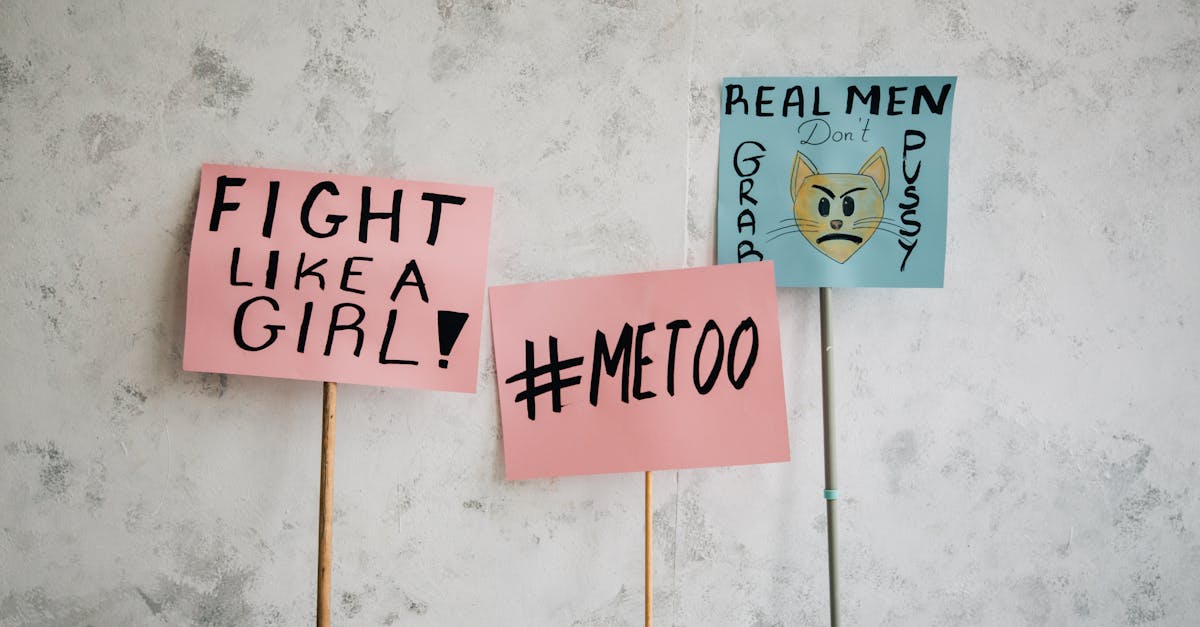
The 3 Things That Make an Internet Movement Stick
Not every viral post changes the world. Most fade faster than a TikTok trend. So what separates the fleeting from the foundational? After watching this space for years, I've noticed three patterns:
- Relatability over perfection. Movements that work don't come from polished PR teams. They come from someone's messy, honest reality. The "I Can't Breathe" protests didn't start with a slogan — they started with a raw, gut-wrenching video. The meme followed the emotion, not the other way around.
- Participation is the point. The best movements let everyone join. You don't need a megaphone or a platform. You just need a phone, a meme generator, and an opinion. That's why things like #BlackLivesMatter spread so fast — it gave people a way to contribute without needing to be a professional activist.
- Humor disarms authority. Let's face it — it's hard to take a system seriously when people are mocking it with a dancing cat. Laughter is a weapon. When you can make a powerful institution look ridiculous, you've already won half the battle. The "This Is Fine" dog became the unofficial mascot of climate anxiety because it perfectly captured how absurdly calm we are in the face of disaster.
The Dark Side: When Memes Manipulate
I'm not naive. Internet culture isn't all sunshine and revolution. The same tools that empower movements can also spread misinformation, hate, and division.
Remember the "Pizzagate" conspiracy? It started as a meme — a weird, dark joke on 4chan. But it didn't stay a joke. People believed it. Someone showed up to a pizza restaurant with a gun. That's the terrifying power of memes: they can create reality out of thin air.
I've seen well-meaning movements get hijacked by bad actors. A hashtag about justice becomes a platform for trolling. A funny image gets co-opted by extremists. The internet is a mirror, and sometimes the reflection is ugly.
So yes, we can meme our way to social change. But we can also meme our way into chaos. The difference? Intention and accountability. If you're going to participate, do it with eyes open.
Why This Matters More Than You Think
Here's the truth that keeps me up at night: Internet culture isn't just rewriting social norms — it's becoming the primary way we learn about them.
Think about it. When was the last time you had a deep conversation about social issues with someone in person? For most of us, the real debates happen in comment sections, DMs, and Twitter threads. Our understanding of race, gender, politics, and even love is increasingly shaped by what goes viral.
I've seen teenagers learn about consent from a TikTok skit. I've seen adults change their views on climate change after a meme made them laugh. The old gatekeepers — schools, newspapers, churches — are being replaced by the algorithm. And the algorithm doesn't care about nuance. It cares about engagement.
That's both terrifying and liberating. It means we have more power than ever to shape culture. But it also means we have to be more thoughtful about what we amplify.
So, What Do We Do With This Power?
I don't have a perfect answer. I'm still figuring it out like everyone else. But here's my take: Don't underestimate the meme. Whether you're sharing a joke, a protest poster, or a heartfelt story, you're participating in the rewriting of social norms.
The next time you see a meme that makes you think, "Wait, that's actually a good point," don't scroll past. Share it. Talk about it. Turn it into action.
Because the line between a laugh and a movement is thinner than you think. And you might be the one who crosses it.
What's a meme that changed your mind about something? Drop it in the comments — I'm genuinely curious.


