
Did you know that over 40% of Gen Z activists first encountered a social or political cause through a meme? That’s right—before they signed a petition, attended a protest, or donated a dime, they were scrolling their feed and stumbled on a funny image with a punchline about police brutality, climate change, or corporate greed.
Let’s be honest: ten years ago, if you told me that a crudely edited picture of a frog (Pepe) or a screenshot of a crying woman pointing at a cat would help topple governments, I would have laughed you out of the room. But here we are. Internet culture isn’t just influencing activism—it’s rewriting the rulebook. And honestly? It’s messy, hilarious, and terrifyingly effective.
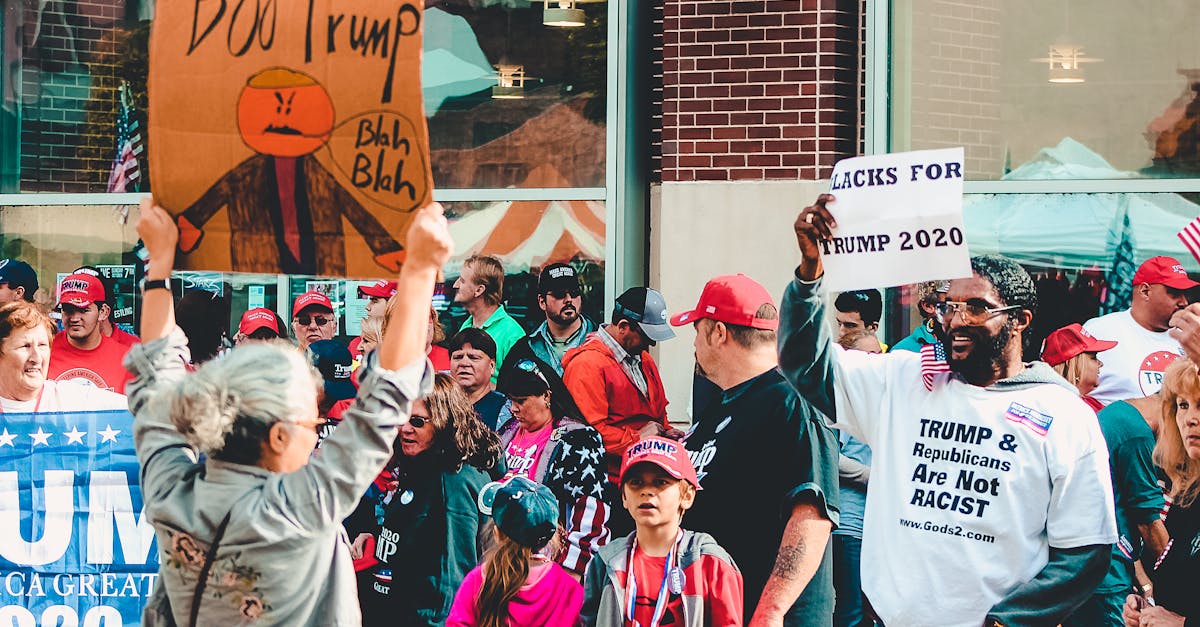
The Meme as the New Protest Sign
Think about the last time you shared a protest sign on Instagram. Was it a hand-painted cardboard rectangle with a clever slogan? Or was it a screenshot of a tweet, a reaction GIF, or a video edit set to a trending sound?
Memes are the protest signs of the digital age. They’re faster to make, easier to share, and infinitely more viral. I’ve found that a single well-timed meme can do what a 500-word manifesto cannot: make someone feel something in under three seconds.
Take the 2020 BLM protests. While news anchors debated policy, the internet was flooded with side-by-side memes comparing police militarization to dystopian movies. These weren’t just jokes—they were cognitive shortcuts. A meme says, “This is wrong, and you already know why,” without needing to explain the history, the statistics, or the nuance.
Here’s what most people miss: memes don’t just spread information—they lower the barrier to entry. You don’t need to be a policy expert to share a meme. You just need to get the joke. And once you’re in on the joke, you’re in on the movement.
The Algorithm Is Your Organizer
Let’s talk about the elephant in the room—or rather, the algorithm in your pocket. Social media algorithms are the new union halls. They don’t just show you content; they organize you.
I’ve watched this happen in real time. A TikTok video about a factory worker strike in Bangladesh gets 2 million views. Within 48 hours, a subreddit is formed. Within a week, a Discord server with 10,000 members is coordinating a global boycott. The algorithm did what a union organizer would have spent months doing: it found the people who cared and connected them.
But here’s the dark side—the same algorithm that amplifies justice can amplify chaos. We saw it with the January 6th Capitol riot, where memes, Facebook events, and viral hashtags organized a mob faster than any official political party could. The algorithm doesn’t care about your cause—it cares about engagement. And outrage? That’s the highest-octane fuel for engagement.
So, is the algorithm a tool for liberation or a weapon of mass distraction? I’d argue it’s both. The trick is learning to ride the wave without drowning in it.
Hashtag Activism: Slacktivism or Strategy?
You’ve heard the criticism: “Posting a hashtag isn’t real activism. It’s slacktivism.” I used to believe that. I rolled my eyes at #BlackLivesMatter profile picture frames and #PrayForParis filters. But I was wrong—or at least, I was only half-right.
*Hashtag activism is the front door, not the whole house. Here’s why it matters:
- Visibility creates pressure. A trending hashtag forces mainstream media to cover stories they’d otherwise ignore. The #MeToo movement didn’t win every case, but it changed the conversation about workplace harassment forever.
- It builds a digital trail. Every tweet, every Instagram story, every TikTok duet creates an archive. Researchers, journalists, and future activists can look back and see exactly when and how a movement gained momentum.
- It’s a low-stakes entry point. Let’s be real: not everyone can march in the streets. Parents, disabled people, those with demanding jobs—they can still contribute by sharing, amplifying, and donating. Calling that “slacktivism” ignores the reality of who can afford to be a “real” activist.
The trick? Treat the hashtag as a
recruitment tool, not the victory lap.
The Dark Arts: Disinformation, Dogpiling, and Deepfakes
Now for the uncomfortable truth. Internet culture isn’t a force for good by default. It’s a tool, and tools can be used to build or to burn.
I’ve seen well-meaning activists get destroyed by
dogpiling—a mob of strangers digging through their old tweets, finding a joke from 2014, and ruining their career over context-free screenshots. I’ve seen deepfakes of politicians saying things they never said, spread by both sides to manipulate public opinion. And I’ve seen disinformation dressed up as grassroots activism, where a fake account posing as a local activist organizes a protest that’s actually a trap.Here’s what most people miss: the same techniques that make internet culture powerful also make it dangerous. The virality, the emotional shorthand, the speed—these are double-edged swords.
So, how do you protect yourself and your movement?
- Verify before you amplify. That screenshot might be real. It might also be photoshopped. Take three minutes to reverse-image search.
- Build offline relationships. Online solidarity is fragile. Real trust happens in group chats, on phone calls, and at in-person meetings.
- Accept the messiness. Internet culture is chaotic. It will produce heroes and villains, wins and losses. The goal isn’t to control it—it’s to
The Future: Gamified Activism and Digital Tribes
I can already see where this is going, and it’s both thrilling and terrifying. The next wave of activism will look like a game.
Think about it: we already have apps that reward you for walking (StepBet), for meditating (Calm), for learning a language (Duolingo). Why not for activism? Imagine a platform where you earn points for signing petitions, attending virtual town halls, or fact-checking articles. Those points unlock rewards—merch, exclusive content, or even voting weight in grassroots decisions.
It sounds ridiculous. But I’ve watched Gen Z organize climate strikes through Discord servers with role-based permissions, leaderboards, and achievement badges. They’re not just activists—they’re
players in a movement.The danger? Gamification can trivialize serious issues. You don’t want people “grinding” for social justice like it’s a side quest. But the potential is real: if you can make activism feel as rewarding as a video game, you can mobilize millions.
So, What’s Your Move?
Here’s where I leave you with a question, not an answer.
Internet culture has given us the tools to organize faster, shout louder, and reach further than any generation before us. But it’s also given us the tools to lie, divide, and burn out. The meme is a double-edged sword, and the algorithm doesn’t care which side you’re on.
I don’t think the answer is to reject internet culture. That ship has sailed. The answer is to
understand* it—to learn its rhythms, its traps, and its superpowers. Share the memes. Join the Discord. Fact-check the screenshots. Show up to the real-world meeting.Because here’s the secret: the movement doesn’t live in the meme. It lives in the people who share it. And you, scrolling this article right now, are one of those people.
What will you do with that power?


