Picture this: It’s 2009, and I’m sitting in my college dorm, scrolling through a site called 4chan. I see a crudely drawn cat with a slice of bread taped to its back. “I’m in a bread sandwich,” the caption says. I laugh, close the tab, and move on. Fast forward to 2020, and that same platform’s offspring — a mix of irony, outrage, and absurdity — has sparked a global movement to storm a shopping mall in Hong Kong, or topple a statue in Bristol. The memes didn’t stop being funny. They just started being dangerous.
Let’s be honest: we used to think memes were just jokes. A funny image with text slapped on it — candy for the brain, zero calories. But somewhere between the Doge era and the rise of “ok boomer,” something shifted. Digital culture stopped being a mirror reflecting society and became the hammer that reshapes it. We're not just sharing laughs anymore. We're rewriting social norms in real-time, one share, one like, one retweet at a time.
The Secret Language of the Internet Tribe
Here’s what most people miss: memes aren’t just jokes — they’re cultural shorthand. When I say “distracted boyfriend,” you see a specific scenario: a man checking out another woman while his girlfriend glares. But that image now means any betrayal of focus — a government ignoring a crisis, a brand chasing trends, your brain choosing Twitter over work.
I’ve found that this shorthand is incredibly powerful because it bypasses logic. You don’t have to explain a complex political argument when a single image of a clown setting a car on fire does the work. Memes are emotional grenades. They detonate before your rational brain can put up a shield.
Consider the “Karen” meme. Five years ago, that was just a name. Today, it’s a social archetype — a white woman weaponizing privilege against service workers or minorities. This meme didn’t just label behavior; it shamed it. And shame, my friends, is a faster behavioral modifier than any law. I’ve seen people literally stop themselves mid-sentence, afraid of becoming a “Karen.” That’s not a joke. That’s norm enforcement through digital culture.
When the Joke Becomes the Law
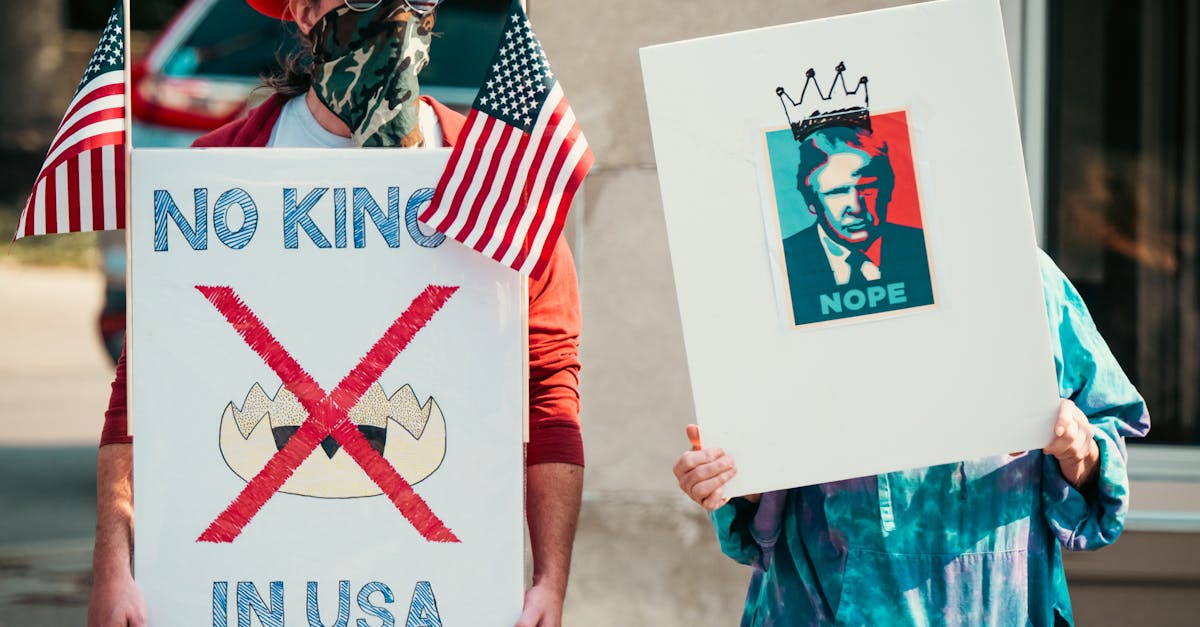
The line between entertainment and activism dissolved around 2016, but most of us didn’t notice until it was too late. Remember the “Harambe” meme? A gorilla shot at the Cincinnati Zoo. It started as dark humor. Then it became a protest symbol for systemic failure. People marched with “Dicks Out for Harambe” signs. It sounds stupid. It was stupid. But it proved a critical point: digital culture can manufacture collective meaning from nothing.
Now apply that to serious movements. The 2020 protests in Belarus used meme accounts to organize rallies. The “Bottlecap Challenge” in Chile became a coded signal for protesting police brutality. In America, the “Bernie Sanders mittens” meme raised millions for charity. The mechanism is the same: a shared inside joke becomes a shared identity, which becomes a shared mission.
Here’s what I tell my readers: Don’t underestimate the power of a shared laugh. When you laugh with a stranger on the internet, you’ve already built trust. Movements don’t start with manifestos — they start with a screenshot that makes you say, “Wait, that’s exactly how I feel.”
The 3 Things Digital Culture Does to Your Brain
I’ve spent years obsessing over this, and I’ve boiled it down to three core mechanisms. Once you see them, you can’t unsee them:
- Compression of Complexity — A 30-second TikTok explains systemic racism better than a 300-page book. Does it oversimplify? Absolutely. But it also mobilizes. Nuance is for policy wonks. Memes are for soldiers.
- Viral Accountability — Remember when that white woman called the cops on a Black birdwatcher in Central Park? The video went viral. She lost her job. Her dog was returned by the shelter. Digital culture created a consequence that the legal system couldn't. Is it perfect vigilante justice? No. But it’s instant norm enforcement.
- Identity Collapse — You used to be a Democrat or Republican. Now you’re a “based sigma” or a “woke snowflake.” Memes create tribes. And tribes rewrite what’s acceptable. If your tribe mocks “cancel culture,” you’ll defend free speech. If your tribe mocks “boomers,” you’ll embrace generational conflict. The norm isn’t written in law. It’s written in the comment section.
The Dark Side of the Meme Economy
Let’s not pretend this is all sunshine and progressive reform. Digital culture is a double-edged sword, and it’s sharp on both sides.
I’ve watched hate groups use the same techniques. The “Pepe the Frog” transformation is the textbook example. A harmless comic frog became an alt-right icon — not through argument, but through sheer meme saturation. They didn’t convince people with logic. They made the frog funny, then made it normal, then made it threatening. Same mechanism. Different outcome.
Here’s the uncomfortable truth: Digital culture doesn’t have a moral compass. It amplifies whatever gets attention. The same algorithms that boosted #MeToo also boosted QAnon. The same share button that spread “Black Lives Matter” also spread “Stop the Steal.” The tool is neutral. The user is not.
I’ve found that the only defense is digital literacy. You can’t stop the wave, but you can learn to surf it. Question everything. Ask: “Who benefits from me sharing this? What norm is this meme trying to establish?” If you can’t answer, pause before clicking share.

The New Rules of Social Engagement
We’re living through a rewriting of the social contract, and nobody voted on it. The old norms — wait three days before calling, don’t discuss politics at dinner, respect authority — are crumbling. The new norms are being written in Discord servers, Twitter threads, and Instagram comment sections.
What are those new norms? Let me give you a few I’ve observed:
- Authenticity over polish. The perfectly curated Instagram is dead. Raw, messy, “real” content wins. We’ve redefined “professional” to mean “vulnerable.”
- Speed over accuracy. First to post wins. Corrections get a fraction of the engagement. This is terrifying, but it’s the current reality.
- Micro-identity over mass identity. You’re not just a “gamer.” You’re a “souls-like enjoyer who mains strength builds and hates summoning.” Specificity is status.
- Participation over observation. Liking isn’t enough. You must remix, react, or create. Passive consumption is now low status.
Your Role in the Meme Revolution
So where does this leave you? Standing at the intersection of joke and justice, trying to figure out what’s real.
I’ll tell you what I tell myself: You are not just a consumer of memes. You are a co-author of reality. Every time you share, laugh, or remix, you’re casting a vote for what the world should look like.
That bread-sandwich cat I laughed at in 2009? It taught me that absurdity can be a tool. The same tool that built a movement can also tear one down. The question isn’t “Are memes changing society?” — that’s already happened. The question is: Are you paying attention to what you’re helping to build?
The next time you see a funny image, don’t just laugh. Ask yourself: What norm is this rewriting? Because somewhere, a 15-year-old on a phone is deciding if that meme is funny enough to share. And that decision? It’s rewriting the rules for all of us.
Your move, internet.


