
Let’s be honest: calling someone a “TikTok celebrity” used to be a borderline insult. It conjured up images of 15-year-olds dancing in their bedrooms, lip-syncing to sped-up songs while holding a Stanley cup.
But if you still think that way, you’re missing the biggest shift in entertainment since reality TV.
Here’s the controversial truth: TikTok isn’t just making celebrities. It’s breaking the entire factory model of fame. The old gatekeepers—network executives, A&R reps, magazine editors—are panicking. And honestly? They should be.
I’ve watched this platform evolve from a chaotic dance app into the most powerful cultural force on the planet. What I’ve found is that TikTok has rewritten the rules of celebrity culture so completely that the old playbook is worthless. Let me show you exactly how.
The Death of the "Overnight Success" Myth
Here's what most people miss: *TikTok didn't create overnight success. It created accelerated success. The difference is crucial.
The old model required a celebrity to be manufactured. You needed an agent, a demo tape, a lucky break, and years of grinding. TikTok flipped that. Now, anyone with a smartphone and a sharp hook can build an audience of millions in weeks.
But here’s the secret that nobody talks about: that speed comes with a brutal expiration date.
I’ve seen creators hit 10 million followers in a month, only to burn out in six. The platform’s algorithm is a dopamine slot machine—it rewards novelty, not consistency. So the new celebrity isn't just famous; they're a content machine. They have to post daily, adapt trends hourly, and keep the algorithm happy.
This creates a weird paradox: more fame, less stability. The old stars had teams. The new stars have a phone and a constant anxiety that tomorrow the algorithm will stop feeding them.
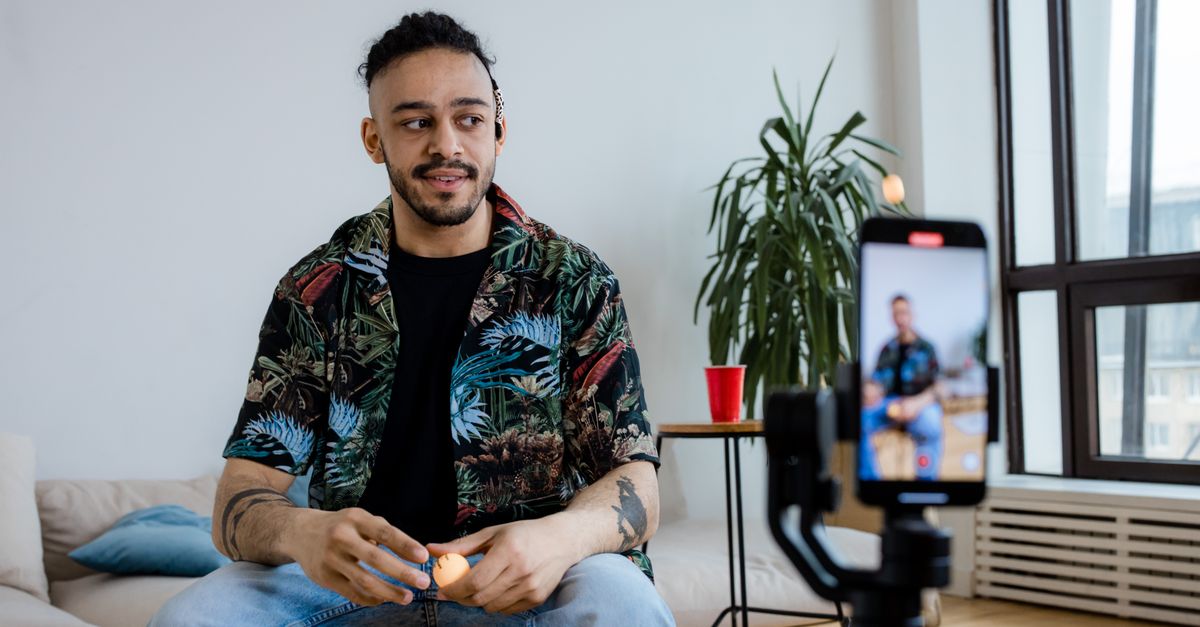
The Algorithm Doesn't Care About Your Credibility
Let’s talk about the elephant in the room: TikTok celebrities have zero gatekeeping.
In the old world, to be a "star," you had to pass through filters. You needed a good voice, a decent acting range, or at least a compelling backstory. TikTok threw that out the window.
Now, the most famous people on the platform are often famous for... being relatable. Or weird. Or accidentally funny. The algorithm rewards authenticity over polish. A shaky iPhone video of someone crying about a breakup gets more views than a professionally lit music video.
This is where the controversy gets spicy. Critics say it's "lowering the bar." But I’d argue it’s democratizing fame.
Think about it: who deserves fame more? The person who was born into a wealthy family and hired a PR team, or the kid from Ohio who made a clever skit about forgetting their lunch? TikTok says the kid.
But here's the catch: this new fame is fragile. One bad take, one controversial video, and the mob turns. The same algorithm that built you can destroy you in hours.
The "Parasocial" Contract: You Owe Them Everything
Here's something I've noticed that most entertainment analysts completely miss: TikTok celebrities don't have fans. They have friends.
The old model was simple: celebrity on stage, fan in audience. There was a clear boundary. You admired them from afar.
TikTok shattered that wall. Creators talk to you directly. They film in their bathrooms. They share their therapy breakthroughs. They ask for your opinion on their lunch.
This creates a parasocial relationship that’s incredibly powerful—and incredibly dangerous.
When a TikTok star cries on camera, millions of followers cry with them. When they promote a product, it sells out in hours. But when they mess up? The betrayal feels personal. The comments become brutal.
I've seen creators break down because the relationship is too intimate. They have no privacy. Every relationship, every breakup, every mental health struggle becomes content. The price of TikTok fame is your entire life.
And here’s the kicker: the audience knows you, but you don't know them. It's a one-way intimacy that’s psychologically draining. Many creators burn out trying to maintain that connection with millions of "friends."
Why Hollywood Is Desperately Trying to Buy Them
The most telling sign that TikTok has won? Hollywood is terrified.
Look at the numbers: major studios are now signing "TikTok talent" to multi-million dollar deals. Addison Rae is in movies. Dixie D'Amelio has a TV show. Charlie D'Amelio has a Hulu documentary. The old guard is buying credibility from the new guard.
Why? Because TikTok celebrities come with something Hollywood can no longer manufacture: audience attention.
A traditional movie star might have 10 million Instagram followers who passively scroll. A TikTok star has 10 million followers who actively engage—liking, commenting, sharing, buying what they recommend.
This is the hidden truth: engagement is the new currency. And TikTok creators have it in spades.
Here’s what I think will happen in the next 3 years:
- More "traditional" celebrities will start acting like TikTok creators — filming behind-the-scenes, being raw, breaking the fourth wall.
- More TikTok creators will cross over into film/TV — but many will fail because the skills don't translate.
- A new hybrid celebrity will emerge — someone who can dance on TikTok and* act in a movie.
The 3 Things That Separate a Fad From a Forever Star
So how do you tell the difference between a viral moment and a lasting career?
I've been watching this space for years, and I've identified three key factors that predict who will survive:
1. Adaptability. The stars who last are the ones who can pivot. They don't get stuck in one niche. They evolve with the platform. When TikTok changes its algorithm (which it does constantly), they change too.
2. Off-Platform Presence. The smartest creators don't just live on TikTok. They build email lists, start podcasts, launch merch, or create YouTube channels. They own their audience instead of renting it from the algorithm.
3. Emotional Resilience. This is the ugly one. TikTok fame is brutal. The hate comments are relentless. The pressure to perform is constant. The creators who survive are the ones who can disconnect, ignore the noise, and maintain a sense of self outside the app.
I've seen brilliant creators crash because they couldn't handle the psychological toll. Fame on TikTok is a high-speed train with no brakes.

So What Happens Next?
Here's my prediction: the TikTok celebrity model isn't going away—it's evolving.
We're already seeing a shift from "dance challenges" to "long-form storytelling." Creators are making mini-documentaries, comedy sketches, and even short films. The platform is maturing, and so are its stars.
But the core principle remains: anyone can be famous. For a moment.
The real question is: does that make celebrity culture better or worse?
I think it's both. We've lost the mystique of the untouchable star, but we've gained a more honest, messy, human version of fame. The barrier to entry is lower, which means more diverse voices get heard. But the burnout rate is higher, which means many brilliant creators will flame out before they ever reach their potential.
TikTok didn't kill celebrity culture. It just exposed how fragile it always was.
And honestly? I think that's a good thing. The old system was built on exclusion. The new system is built on chaos. Neither is perfect, but at least the chaos is honest.
What do you think? Is TikTok fame real fame, or just a digital mirage? Drop your take in the comments—I actually read them.





