Did you know that a staggering 43% of people who leave their faith cite doubt as the primary reason — not anger, not hypocrisy, not boredom? I stumbled across that stat in a Pew Research study last year, and it stopped me cold. Because here's the thing nobody tells you: doubt isn't the enemy of faith. It's the doorway. But we've been taught to treat it like a five-alarm fire, scrambling to extinguish it before it spreads. And that? That's exactly why so many of us end up feeling spiritually bankrupt when life hits hard.
Let's be honest — nobody wakes up one morning and decides, "You know what, I think I'll stop believing today." Doubt creeps in. It's the unanswered prayer that leaves you staring at the ceiling at 3 AM. It's the diagnosis that makes you question if anyone's listening. It's the tragedy that makes the old Sunday school answers feel like hollow platitudes. I've been there. I've sat in that cold, dark space where faith feels like a muscle you forgot to exercise, and now it's too weak to hold you up.
But here's the secret most people miss: rebuilding faith isn't about erasing doubt — it's about reframing it. And I've got the framework to help you do exactly that.

The Doubt-Detox: Why Your Crisis Isn't a Curse
First, let me give you permission to stop pretending. You don't have to have it all figured out. The most spiritually mature people I know aren't the ones who never question — they're the ones who've learned to question well. There's a massive difference between doubt that destroys and doubt that deepens.
Doubt that destroys is passive. It whispers, "This isn't working," and leaves you there — stuck, bitter, and alone. But doubt that deepens? It's active. It asks, "What if I'm looking at this wrong?" It pushes you to dig deeper, ask harder questions, and ultimately find a faith that's yours — not your pastor's, not your parents', not your culture's.
I've found that the most transformative moments in my own spiritual journey came not when everything made sense, but when nothing did. When I stopped trying to defend a fragile belief system and started exploring a living relationship. That's the shift. *Faith isn't a fortress you protect from doubt; it's a muscle you strengthen through doubt.
The Three Questions That Saved My Faith
When my own belief system took a hit a few years back, I didn't know what to do. I'd been raised on "just have faith" — as if it were a switch I could flip. But real life isn't that clean. So I sat down with a journal and asked myself three questions. They changed everything.
- What am I actually doubting? — Not "everything," but the specific thing. Is it God's goodness? God's existence? The church? Your own worthiness? Get surgical. Vague doubt has no answer; specific doubt can be explored.
- What would I need to believe instead? — Not what's comfortable, but what's true. If your current belief system can't hold the weight of your reality, it's not that reality is wrong — it's that your system needs expansion.
- What am I willing to risk for a bigger faith? — This one hurts. Because rebuilding faith often means letting go of the version you had. It means admitting that maybe you didn't have God figured out. And that's terrifying. But it's also liberating.

The Practice of Rebuilding: Small Steps, Not Giant Leaps
You don't rebuild a collapsed bridge by jumping across the gap. You rebuild it plank by plank. Same with faith.
Start with one honest conversation. Not with a theologian or a pastor (though those can help). Start with someone who's been through their own dark night of the soul. Someone who won't hand you a cliché or a Bible verse like a Band-Aid. Someone who'll sit in the mess with you.
Then, reclaim one practice that actually nourishes you. For me, it was silence. Not prayer, not worship music, not Bible study — just sitting in the quiet and letting my heart settle. For you, it might be nature. It might be journaling. It might be reading the Psalms like the raw, honest poetry they actually are.
And here's the counterintuitive part: stop trying to force belief. Instead, focus on desire. What do you want to be true? What do you hope is real? That desire — even if it feels small and fragile — is the seed. Protect it. Water it. Give it time.
I've found that faith doesn't return through arguments or evidence (though those can help). It returns through encounter — through small moments of beauty, connection, or inexplicable peace that you can't explain away. And those moments don't come when you're frantically searching for them. They come when you're present.
When the Silence Feels Like Rejection
Let's get real about the hardest part: the silence of God. Because sometimes you do all the right things — you pray, you read, you seek counsel — and nothing. Nada. The heavens feel like brass, and you're left wondering if anyone's home.
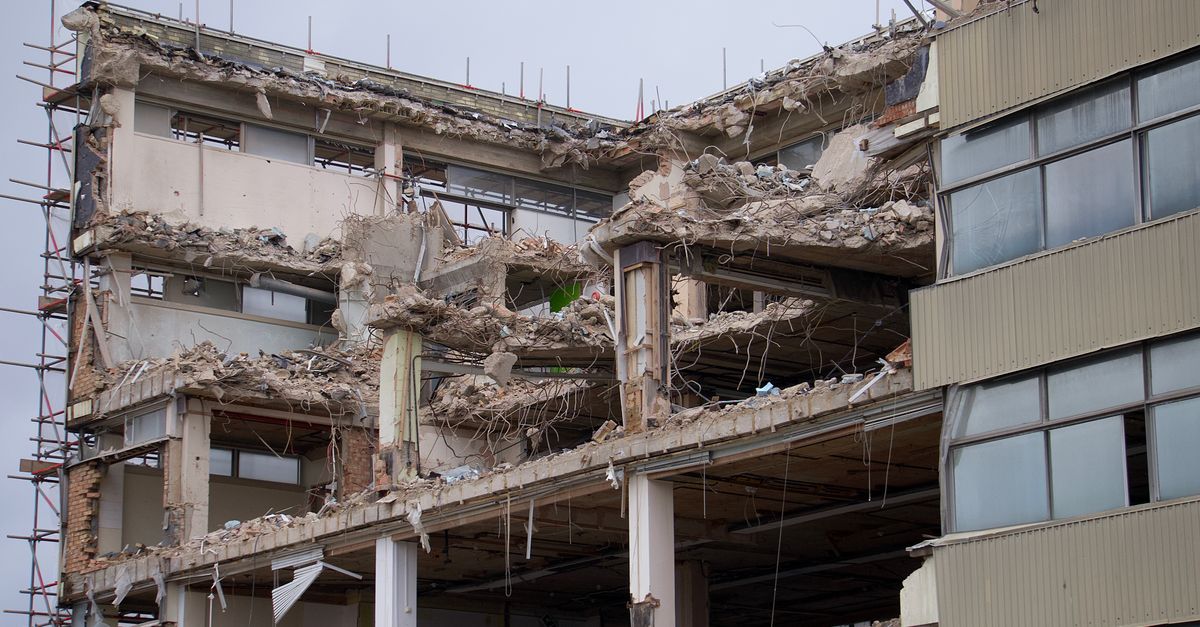
I've been there. And I'll tell you what I wish someone had told me: silence is not the same as absence. Just because you can't feel God doesn't mean God isn't working. Think of it like this — when you're in the middle of a renovation, the house looks worse before it looks better. Walls are torn down. Dust is everywhere. You can't see the vision yet. But the contractor is still on site.
Your doubt might be a renovation, not a demolition.
The people in Scripture who wrestled most honestly with God — Job, David, Jeremiah, even Jesus in the garden — they all experienced seasons of perceived abandonment. And they all emerged with something deeper than they had before. Not because their questions were answered, but because their trust was refined.
The Surprising Gift at the End of Doubt
Here's what I've learned from my own journey and from walking with others through theirs: the faith that survives doubt is stronger than the faith that never faced it.
It's like the difference between a tree grown in a greenhouse and one that's weathered storms. The greenhouse tree looks perfect — until a real wind comes. But the storm-tested tree? Its roots are deep. It's flexible. It knows how to bend without breaking.
So if you're in the middle of your own doubt-storm right now, take heart. You're not broken. You're not doomed. You're in the process of building a faith that can hold the weight of your real life — not just your Sunday morning life.
And that's worth the struggle.

So here's my challenge to you: stop treating your doubt like a shameful secret. Bring it into the light. Talk about it. Write about it. Wrestle with it. And give yourself permission to believe that the God who was big enough to handle Job's screaming accusations is big enough to handle your whispered questions.
Because the goal isn't a faith without doubt. The goal is a faith that's honest — one that can hold both your questions and your trust, your pain and your hope, your uncertainty and your devotion.
And that kind of faith? It doesn't just survive life's shaking. It grows because* of it.