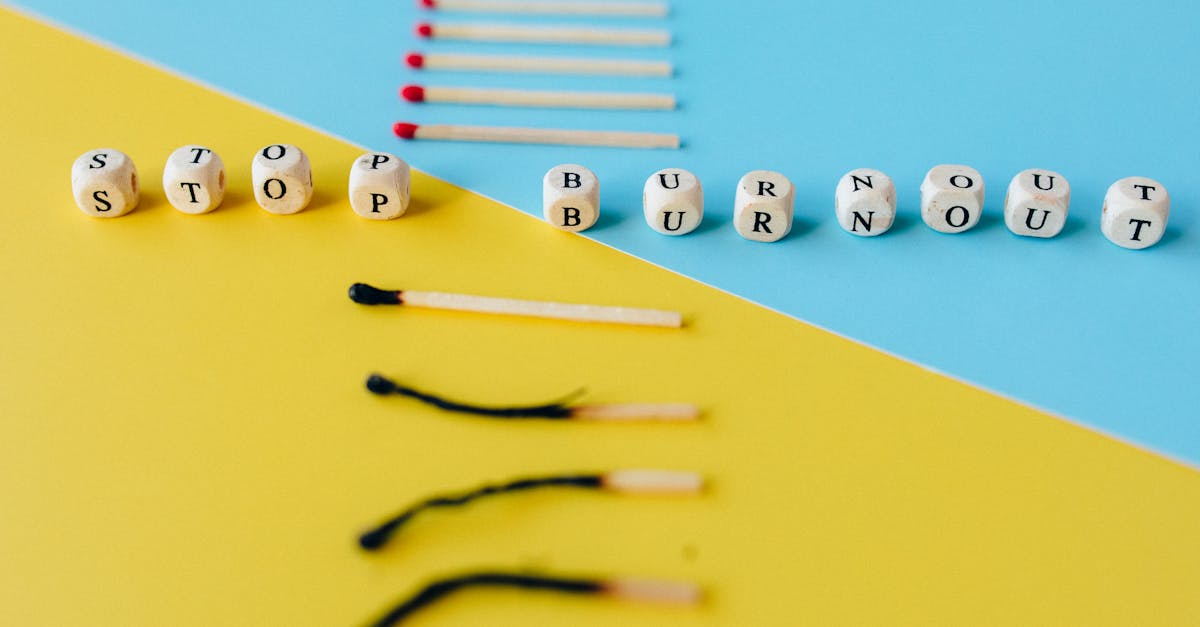
Burnout isn't a badge of honor. It's a failure of the system.
I know that's a spicy take, especially for those of us who grew up believing that exhaustion was the price of admission for achievement. But after watching too many brilliant students crash and burn under the weight of four-hour lectures and textbook marathons, I'm convinced of it: the traditional "drinking from a firehose" model of education is broken. We treat students like containers to be filled rather than minds to be cultivated, and then we act surprised when they crack under the pressure.
But here's the good news that nobody's shouting from the rooftops: there's a quiet revolution happening in classrooms and dorm rooms alike, and it's built on a shockingly simple idea. It's called microlearning, and it's doing what decades of educational reform couldn't — making learning stick without making students miserable.
The Firehose Problem Nobody Wants to Talk About
Let's be honest. When I was in school, "studying" meant barricading myself in the library for six hours, mainlining caffeine, and praying that somehow the information would absorb through osmosis. Sound familiar?
Here's what most people miss: that approach is neurologically backwards. Our brains aren't built for marathon cramming sessions. Cognitive science has shown us — repeatedly — that attention spans flag after about 15 to 20 minutes, and retention collapses when information is delivered in massive, unstructured blocks. We've known this for years, yet we keep designing courses like we're training monks for a memory Olympics.
The result? Students who are technically "educated" but functionally burned out. They've memorized enough to pass the test, but ask them to apply that knowledge three months later and you'll get a blank stare.
I've found that the most successful learners — the ones who actually retain what they study and seem genuinely energized by it — aren't the ones who work the longest. They're the ones who work the smartest. And that's where microlearning comes in.

What Exactly Is Microlearning (And Why Should You Care)?
Microlearning is exactly what it sounds like: breaking down complex subjects into small, digestible, focused chunks — usually five to ten minutes each — that you can complete in one sitting. Think of it as the difference between eating a seven-course meal in one go versus savoring a series of well-portioned snacks throughout the day. One leaves you bloated and miserable. The other actually fuels you.
The genius of this approach is that it works with your brain instead of against it. Short bursts of focused content align with how we naturally process and store information. You learn one concept, you practice it, you get immediate feedback, and then you move on. No overwhelm. No hours of passive listening. Just steady, incremental progress.
And the data backs this up. Studies on microlearning in education have consistently shown improved retention rates, higher engagement, and — here's the kicker — significantly reduced cognitive fatigue. Students who learn in short, spaced intervals outperform their cramming counterparts on long-term recall tests. Every time.
The Science of Small Wins (And Why They Matter More Than You Think)
There's something psychological happening here that goes way beyond just "shorter lessons are easier."
Every time you complete a microlearning module, you get a tiny hit of accomplishment. Your brain releases a little dopamine — the same chemical that makes social media so addictive — and you feel like you're making progress. That feeling compounds. Suddenly, learning isn't a slog you dread; it's a series of small victories you actually look forward to.
I've found that this "small wins" effect is the secret weapon that most educators completely overlook. We've been so obsessed with the big picture — the final exam, the semester-long project, the degree — that we've forgotten how motivating it is to just feel good about learning something new, even if it's tiny.
Here's what that looks like in practice:
- Five-minute vocabulary drills instead of hour-long memorization sessions
- Bite-sized video lessons on a single concept rather than sprawling 90-minute lectures
- Quick quizzes that reinforce learning immediately instead of waiting weeks for feedback
- Daily micro-challenges that build habits without overwhelming students

Real Students, Real Results: The Microlearning Revolution in Action
I recently spoke with a university student who told me she'd completely transformed her study routine after discovering microlearning. Instead of pulling all-nighters before exams, she'd spend 15 minutes each morning reviewing flashcards on her phone, watch a short video on a tricky concept during her commute, and take quick self-quizzes between classes.
Her grades went up. Her stress went down. And she actually started enjoying learning again.
That story isn't unique. Across the globe, students are ditching the cram-and-crash cycle in favor of microlearning strategies that fit into the cracks of their busy lives. Platforms like Duolingo have made language learning feel like a game rather than a chore. Apps like Khan Academy have made complex subjects accessible in bite-sized pieces. And forward-thinking educators are increasingly flipping their classrooms to deliver content in short, focused bursts that students can consume on their own schedule.
Let's be honest: the traditional education model isn't going anywhere overnight. But the shift is happening. And it's being driven not by administrators or policymakers, but by students who've realized they don't have to choose between success and sanity.
Why This Isn't Just a Trend — It's a Paradigm Shift
I know what some of you are thinking: "This sounds like a gimmick. What about deep, rigorous learning?"
Fair question. Here's my answer: microlearning doesn't replace depth — it delivers it more effectively. The goal isn't to water down complex subjects; it's to make them accessible in a way that respects how human brains actually work. You can still dive deep into a topic. You just do it in a series of focused, intentional dives rather than one exhausting plunge.
What's really revolutionary here is the shift in mindset. We're moving away from the idea that suffering equals learning and toward the understanding that engagement, curiosity, and sustainability are the real keys to mastery. That's not a trend. That's a fundamental rethinking of what education is supposed to do.
And if you're a student feeling the weight of burnout right now, here's my challenge to you: try it. Pick one subject you're struggling with and break it down into ten-minute chunks. Set a timer. Do one chunk today. One chunk tomorrow. See how it feels to make progress without the pain.
You might be surprised at what happens when you stop trying to drink from the firehose and start sipping from a cup.
Because brilliance doesn't come from burnout. It comes from consistency, curiosity, and the courage to learn a little bit at a time — until suddenly, you realize you've learned a lot.