I was sitting at a koko joint in Ho, the red dust of the main market settling on my boots, when a young man in a crisp suit walked up to me. He wasn’t selling insurance or a new mobile plan. He asked if I had ever considered the economic ripple effect of a single megachurch on a regional economy. I laughed, thinking it was a pitch. It wasn’t. It was a thesis.
Let’s be honest: when we talk about churches in Ghana, we usually talk about spiritual warfare, prosperity gospel, or the sheer size of the auditoriums. We rarely talk about supply chains, real estate valuation, or SME incubation. Christ Embassy Ho is changing that narrative. And if you think this is just a religious story, you’re missing the biggest hidden business case in the Volta Region right now.
Here’s what most people miss: From Barracks Newtown to the nations, Christ Embassy Ho is not just planting churches—it is planting economic ecosystems.
The Barracks Newtown Effect: Where the Business Started
Every empire has a launchpad. For Christ Embassy Ho, that launchpad is the Barracks Newtown area. If you’ve never been, imagine a neighborhood that feels like the underdog of Ho—dusty, a little chaotic, but buzzing with raw energy. When the church first established its presence there, it wasn’t just about Sunday services. It was about creating a destination.
I’ve found that most people underestimate the commercial gravity of a well-run church. In Barracks Newtown, the arrival of Christ Embassy Ho meant a few things immediately:
- Real estate demand spiked. Landlords started renovating properties near the church for accommodation.
- Local food vendors got a reliable customer base. Church events mean hungry people.
- Transportation routes evolved. Tro-tros started adding "Church Junction" to their routes.

The Volta Region’s Hidden Economic Engine
Let’s talk numbers for a second. The Volta Region isn’t Accra. We don’t have the same industrial base or access to international ports. But what we do have is a highly networked diaspora and a population that values community. Christ Embassy Ho tapped into this perfectly.
Here’s the secret sauce: the church runs a parallel economy. They have their own media arm (Christ Embassy TV), their own bookshop, their own music label, and a robust business networking platform under the umbrella of the "Winners' Chapel" model (yes, they share DNA with David Oyedepo’s network, but they’ve localized it).
I’ve sat in on one of their business seminars in Ho. It wasn’t a prayer meeting with a few business tips sprinkled in. It was a structured business development class. Topics included:
- How to register a business in Ghana without a lawyer.
- Supply chain logistics for small-scale farmers in the Volta Region.
- Digital marketing for local artisans.
- Accessing microfinance through church networks.
The hidden truth is that Christ Embassy Ho has become an unofficial business incubator for the Volta Region. And the ripple effect is felt from the market stalls of Ho Central to the cassava farms of Akatsi.
From the Local to the National: The Export of Influence
Here’s where it gets interesting. The church didn’t stop at Barracks Newtown. They went national. But how does a church in Ho impact the entire nation?
The answer is media and logistics. Christ Embassy Ho operates a regional media hub that produces content consumed across Ghana and the West African sub-region. This means:
- Jobs. Camera operators, editors, sound engineers, graphic designers—all hired locally.
- Training. The church runs a media school that has produced some of the best video editors in the Volta Region.
- Distribution. Their content is broadcast on satellite TV and online, putting Ho on the map as a production center.
Every year, Christ Embassy Ho hosts a regional conference that draws attendees from Togo, Benin, and Côte d’Ivoire. These visitors need hotels, food, transport, and souvenirs. The local economy sees a direct injection of capital that would otherwise bypass the region entirely.
The 3 Things Nobody Tells You About Church-Led Economic Development
I’ve spent years observing how churches operate in Ghana. Most people think it’s all tithes and offerings. But there’s a hard business logic at play here that’s worth unpacking.
1. The Church as a Credit Union
Christ Embassy Ho has an internal savings and loan scheme that operates informally but effectively. Members contribute weekly, and the church facilitates low-interest loans for business startups. This is microfinance without the bureaucracy. And it works because of social pressure—you can’t skip payments when your pastor knows your mother.2. The Real Estate Play
The church has purchased multiple properties in Ho and surrounding towns. This isn’t just for worship spaces. They’ve built guesthouses, conference centers, and even a small shopping arcade. These are revenue-generating assets that employ locals and attract foot traffic to areas that were previously undeveloped.3. The Diaspora Connection
Volta Region has a massive diaspora in the US, UK, and Europe. Christ Embassy Ho has chapters in those countries. When diaspora members visit home, they don’t just go to their family house. They attend the church, network with business owners, and often invest in projects recommended by the church leadership. This creates a direct pipeline of foreign capital into the region.Why This Matters for Every Business Owner in Ghana
If you’re reading this and you’re not a member of Christ Embassy, you might be wondering why you should care. Here’s why: the church is a distribution channel.
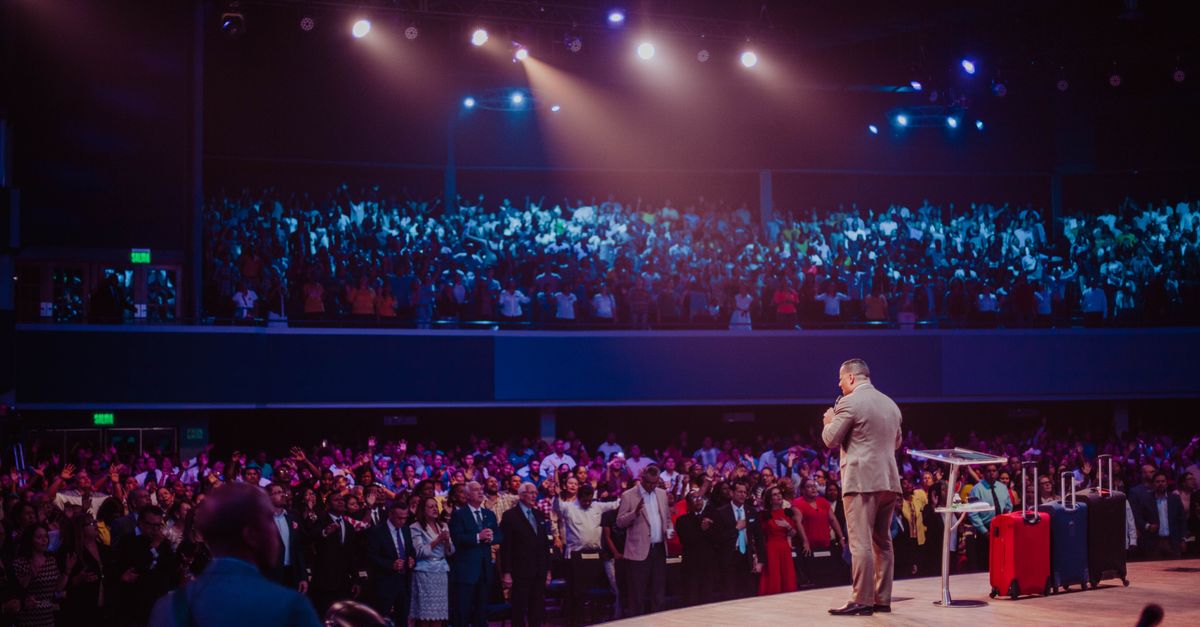
Think about it. Every Sunday, Christ Embassy Ho gathers thousands of people in one location. That’s a captive audience. If you are a business owner in the Volta Region and you are not leveraging this network, you are leaving money on the table.
I’ve seen local farmers sell produce directly to the church’s kitchen. I’ve seen tailors get contracts to sew uniforms for the choir. I’ve seen graphic designers get paid to design event flyers. The church is a micro-economy, and you can participate.
The secret that nobody talks about? The church’s leadership is incredibly business-savvy. They understand logistics, supply chain, and customer retention better than many CEOs I’ve met. This is not accidental. The global Christ Embassy network operates like a franchise, with strict operational standards. Ho is no exception.
The Future: From Volta to the World
Where does Christ Embassy Ho go from here? Based on what I’ve seen, the trajectory is clear: they are building a regional hub that will serve as a launchpad for the entire West African sub-region.
Plans are already in motion for a media complex that will rival anything in Accra. There’s talk of a business school focused on faith-based entrepreneurship. And the church is actively recruiting young professionals from Ho who are studying abroad to return and build.
The impact on the Volta Region will be transformational. We are talking about thousands of jobs, increased property values, and a shift in how the rest of Ghana views the region. No longer just a place for tourism and agriculture, the Volta Region—led by the economic engine of Christ Embassy Ho—is becoming a business destination.

The Final Truth
Let’s strip away the religion for a moment. Whether you agree with their theology or not, you cannot ignore the economic footprint of Christ Embassy Ho. From a dusty start in Barracks Newtown to a network that touches the entire nation, this church has cracked a code that many businesses still struggle with: how to build a loyal community that also drives economic growth.
The lesson for entrepreneurs is simple: Don’t underestimate the power of community-based distribution. The church model works because it combines trust, frequency of interaction, and a shared vision. If you can replicate even 10% of that in your business, you will dominate your market.
So the next time you see a church building in Ho, don’t just see a place of worship. See a logistics hub, a credit union, a media house, and a real estate developer all rolled into one.
The nations are watching. And the Volta Region is finally getting the economic attention it deserves.