
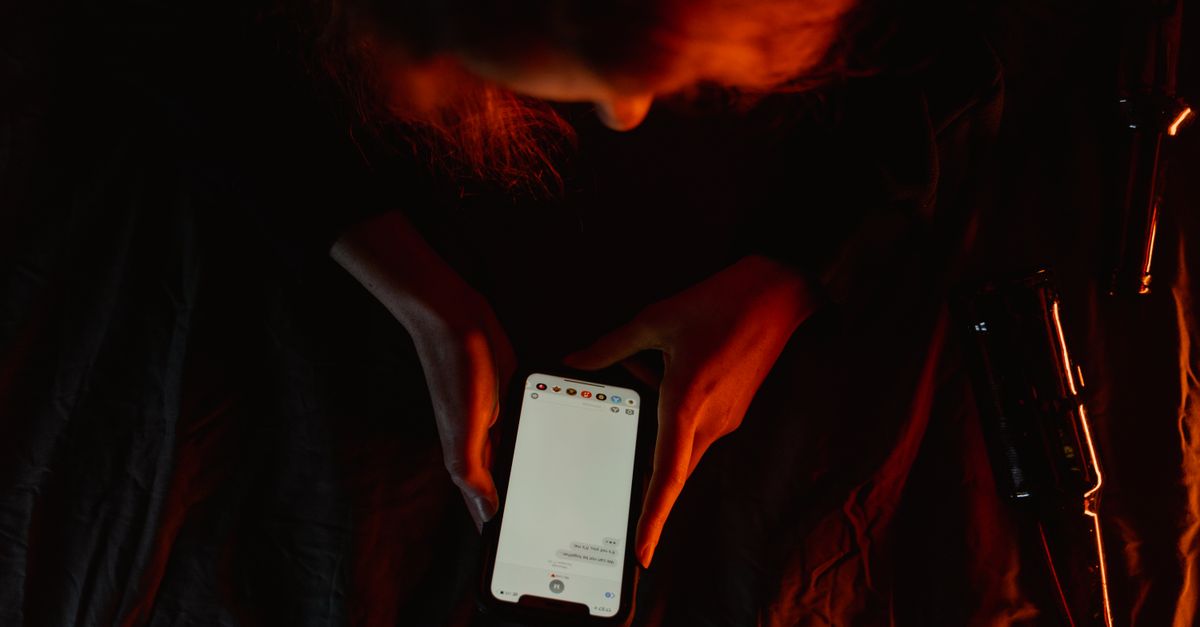
Let me tell you something that might surprise you: I found my most meaningful spiritual connection not in a church, mosque, or temple, but while scrolling through my phone at 2 AM, half-asleep and fighting the urge to doomscroll.
Yeah, I said it. And I know I’m not alone.
We’ve been told for years that social media is the enemy of deep thought — a distraction, a dopamine trap, a place where nuance goes to die. And sure, there’s truth to that. But here’s what most people miss: the same platforms that sell us fast fashion and cat videos are quietly rebuilding how we experience faith.
So let’s talk about it. How is the digital age reshaping spiritual communities? And more importantly — is that actually a good thing?
The Algorithm Didn’t Know I Was Praying
I remember the first time it hit me. I was scrolling Instagram, and a video popped up of a woman in Cairo reciting Surah Al-Fatiha with such raw emotion that I stopped breathing for a second. I wasn’t looking for it. I wasn’t following any religious accounts. But the algorithm, in its creepy, all-knowing way, served it up anyway.
Here’s the thing: algorithms don’t care about your faith — but they care about your engagement. And when millions of people are searching for comfort, meaning, or connection, the system responds. Suddenly, you’re in a rabbit hole of Quran recitations, Buddhist meditation guides, or Christian worship playlists.
I’ve found that this accidental discovery is actually one of the most powerful shifts in modern spirituality. People aren’t walking into religious institutions cold anymore. They’re finding faith through a 60-second video, a tweet that goes viral, or a TikTok sound that makes them cry.
Faith is becoming discoverable, not inherited. And that changes everything.
The Death of the Lonely Believer
Let’s be honest: traditional spiritual communities can feel… intimidating. Walking into a new mosque or church alone? Terrifying. You don’t know the customs, the people, the unwritten rules. You feel like an outsider before you even say a word.
But online? The barrier to entry is basically zero.
I’ve joined Facebook groups where strangers pray for each other’s sick parents. I’ve seen Reddit threads where people debate the nature of the soul with more respect than I’ve seen in some real-life congregations. And I’ve watched Discord servers become 24/7 prayer circles for people who can’t sleep.
What I’ve noticed is that digital spiritual communities thrive on vulnerability in a way physical ones often don’t. Behind a screen, people share doubts they’d never whisper in a pew. They ask “Does God even hear me?” without fear of judgment. They admit they’re angry at the universe, or confused about their own beliefs.
And someone always answers. Not with a rehearsed sermon, but with raw, human honesty.
Here’s a quick list of how these communities are different:
- No dress code. Show up in pajamas. Nobody cares.
- Time zones don’t matter. There’s always someone awake to pray with.
- You can leave silently. No awkward goodbyes.
- Diversity is real. You’ll talk to believers from countries you’ve never visited, with perspectives you’ve never considered.
- Doubt is welcome. Actually, it’s encouraged.
When the Sacred Goes Viral
Okay, let’s talk about the elephant in the digital room: performative spirituality.
You’ve seen it. The influencer who posts a sunrise photo with a Bible verse and a skincare sponsorship. The guy who live-streams his prayers but checks his comments mid-sentence. The “spiritual but not religious” accounts that feel more like a lifestyle brand than a faith journey.
It’s cringe. I’ll say it.
But here’s what I’ve learned to stop doing: dismissing it entirely.
Because underneath the aesthetic filters and hashtag optimization, something real is happening. When a Quran recitation gets 10 million views, that’s 10 million moments of exposure to sacred text. When a Christian worship song trends on TikTok, it’s not just noise — it’s a collective moment of spiritual resonance.
I used to roll my eyes at “Instagram faith.” Then I watched a friend reconnect with Islam after years of distance — because she found a page that explained the Quran in a way she’d never heard before. She didn’t find it in a book. She found it on her Explore page.
The medium might be messy, but the message still moves. And I’d rather have imperfect, viral faith than no faith at all.

The Hidden Danger Nobody Talks About
Now, I’m not naive. I’ve seen the dark side too.
Echo chambers exist in faith just as much as in politics. Online, it’s easy to find only the voices that confirm what you already believe. You can curate a spiritual feed that never challenges you, never makes you uncomfortable, never asks you to grow.
I’ve watched people get pulled into extremist interpretations because a charismatic YouTuber made it sound reasonable. I’ve seen sincere seekers get trapped in communities that demanded money, loyalty, or isolation from “unbelievers.”
And the worst part? Algorithms reward extremism. Angry content gets more engagement. Outrage spreads faster than compassion. A moderate, thoughtful take on theology might get 50 likes — but a fiery, divisive one can go viral overnight.
So here’s my honest advice: use the algorithm, but don’t let it use you.
Follow accounts that challenge your thinking. Seek out voices from traditions different from your own. And when you feel that dopamine hit of righteous anger, pause. Ask yourself: Is this bringing me closer to God, or just closer to being right?
The In-Person Paradox
Here’s the twist I didn’t see coming: digital faith is actually making physical communities stronger.
I know, it sounds backwards. But hear me out.
I’ve found that people who connect online first are more likely to show up in person later. They’ve already broken the ice. They know the vibe. They’ve seen the faces. When they finally walk through the door, it doesn’t feel like a stranger’s territory — it feels like coming home to people they already know.
I’ve seen this happen in my own life. A WhatsApp group for daily prayers turned into a weekly meetup at someone’s house. A Twitter thread about divine mercy became a real-life conversation over coffee. The screen is a bridge, not a wall.
And for people who physically can’t attend services — the elderly, the disabled, the homebound — digital faith isn’t a substitute. It’s a lifeline.

The Final Scroll
So where does this leave us?
I think we’re living through the most significant transformation of spiritual community since the printing press. Back then, people feared that mass-produced Bibles would destroy the sacredness of scripture. Instead, it democratized access to God.
Social media is doing the same thing — but faster, messier, and with more cat memes.
I don’t have a neat conclusion for you. Faith is never neat. But I do have a question I keep coming back to:
What if the divine is speaking to us through the chaos? What if the same algorithms that sell us junk are also delivering moments of grace we’d never find otherwise?
I don’t know the answer. But I know that at 2 AM, when I’m tired and searching, sometimes a video finds me. And for a few seconds, I feel connected to something bigger than the screen.
Maybe that’s enough.
Or maybe it’s just the beginning.





