Let’s get one thing straight right off the bat: I think the modern obsession with "clean eating" has made us terrified of bacteria, and that’s a huge mistake. We’ve been conditioned to reach for the antibacterial wipes and pasteurized everything, convinced that any microbe is the enemy. But here’s the dirty little secret of the food world — the stuff that’s alive is actually the best thing you can put in your mouth. Fermented foods aren't just a hipster trend; they are a culinary and biological revolution that our hyper-sterile diets desperately need.
I’m Marie Weber, and I’ve spent the last few years experimenting with bubbling jars of kimchi and funky jars of kombucha. Let me tell you, the journey has been messy, smelly, and absolutely worth it. If you’re still on the fence about letting bacteria into your kitchen, stick with me. Your gut is about to throw a party.
The 10,000-Year-Old Trend That’s Suddenly "New"
Let’s be honest: the word "fermentation" sounds like something a mad scientist does in a basement. But fermentation is actually the oldest form of food preservation known to humanity. Before refrigerators, before canning, our ancestors relied on salt, time, and good bacteria to keep cabbage from rotting and milk from spoiling instantly.
So why is it trending now? Because we finally have the science to back up what grandma knew instinctively. We now understand that our gut microbiome — that complex ecosystem of bacteria living inside us — is the control center for everything from our mood to our immune system. Fermented foods are essentially probiotic delivery systems that are tastier than any pill you can buy.
Here’s what most people miss: not all fermented foods are created equal. That jar of shelf-stable sauerkraut in the grocery aisle? It’s been pasteurized, which kills the beneficial bacteria. You need the live stuff, usually found in the refrigerated section. Look for words like "raw," "unpasteurized," or "live cultures" on the label.
Why Your Taste Buds Are Begging for a Shock
I’ve found that most people’s palates are stuck in a rut. We eat sweet, salty, and fatty — but we neglect the four other taste sensations. Fermentation unlocks umami (that savory depth) and sourness in ways that processed food simply cannot replicate.
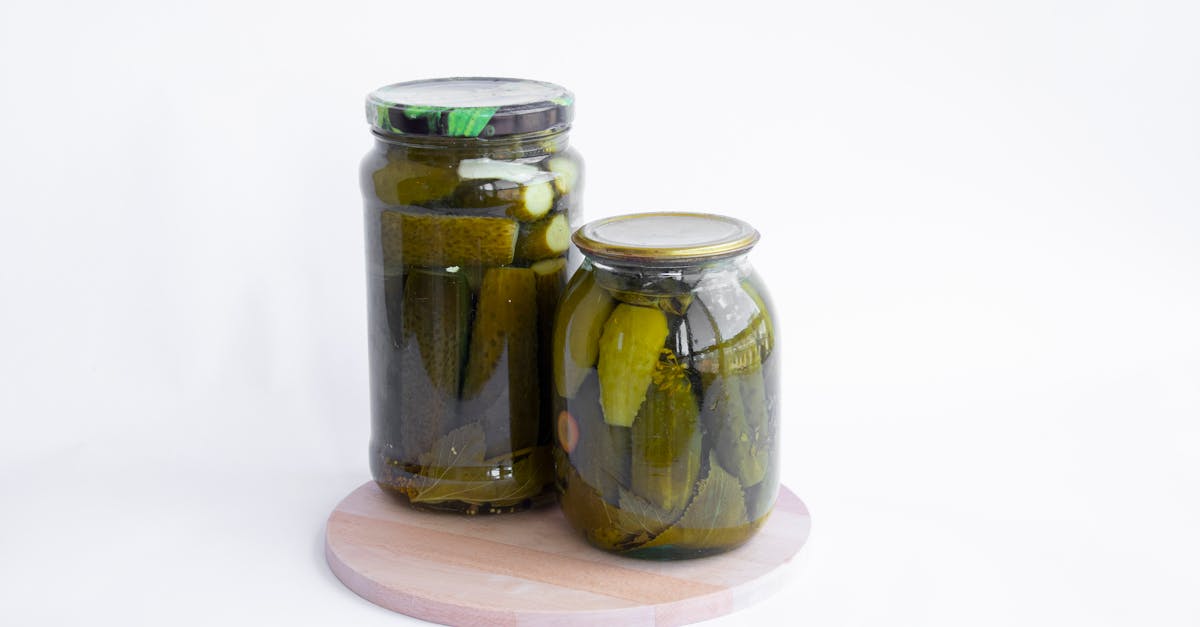
Think about the difference between a plain cucumber and a sour pickle. The pickle isn't just a cucumber soaked in vinegar; it’s a cucumber that has been transformed by lactobacillus bacteria. The texture changes, the flavor develops layers, and you get a complexity that hits your tongue like a symphony.
Let’s talk specifics:
- Kimchi: Spicy, funky, and packed with garlic and ginger. It’s a flavor bomb that wakes up tired taste buds.
- Kombucha: A fizzy, slightly vinegary tea. It’s the perfect replacement for soda if you want something bubbly without the sugar crash.
- Miso: A fermented soybean paste that adds a salty, savory depth to soups, marinades, and even salad dressings.
- Sourdough: Real sourdough (not bread with added vinegar) uses a wild yeast starter that makes the bread easier to digest and gives it that tangy, chewy crust.

The Gut-Brain Connection: More Than Just a Digestive Aid
This is where the science gets really wild. Your gut is often called your "second brain" because it produces about 95% of your body's serotonin — the "happy hormone." When you eat fermented foods, you’re not just helping your digestion; you’re potentially influencing your mood, your stress response, and even your mental clarity.
I was skeptical at first. I thought the "gut health" craze was just a marketing gimmick. But after adding a serving of kimchi to my lunch for two weeks, I noticed something. I wasn't bloated after meals, and I felt less sluggish in the afternoon. It wasn't a miracle cure, but it was a noticeable shift.
Here’s the catch: you have to be consistent. One kombucha a month isn’t going to repopulate your gut flora. Think of it like watering a plant. You need to do it regularly. Start small — a spoonful of sauerkraut with dinner, a splash of kefir in your smoothie. Your microbiome will thank you by reducing inflammation and improving nutrient absorption.
The "Gross" Factor: How to Get Over It
Let’s address the elephant in the room. Fermented foods can smell... challenging. I’ll never forget the first time I opened a jar of homemade kimchi that had been fermenting for three weeks. It smelled like a gym sock mixed with garlic. Honestly, I almost threw it out.
But here’s the truth: the smell is not the taste. Often, the pungent aroma is actually a sign of a healthy, active fermentation. If it smells like rotting garbage, that’s a red flag. But if it smells funky, tangy, or yeasty? That’s the good stuff.
To get over the "ick" factor, start with milder ferments. Kefir (fermented milk) tastes like a thinner, tangier yogurt. Sourdough bread is just delicious bread with a slight tang. Once your palate adjusts, you can graduate to the heavy hitters like natto (fermented soybeans) or fish sauce.

A Practical Survival Guide for the Fermentation Newbie
You don’t need to start making your own sauerkraut from scratch (though I highly recommend it eventually). Here’s how to dip your toe in:
- Start with store-bought, refrigerated options. Look for brands that specify "live cultures."
- Add it to existing meals. A spoonful of sauerkraut on a hot dog or a dollop of kimchi on rice is an easy win.
- Don’t heat it. If you cook your fermented foods, you kill the probiotics. Add them after cooking or at the very end.
- Watch the salt. Many fermented foods are high in sodium. Balance is key.
- Listen to your body. If you have a sensitive gut, start with very small amounts (like a teaspoon) to avoid gas or bloating while your microbiome adjusts.
The Final Bite: Why You Should Join the Cult
I’m not saying fermented foods will solve all your problems. They won’t make you immortal or pay your bills. But they are one of the simplest, cheapest, and most delicious ways to invest in your long-term health. In a world of ultra-processed junk, these foods are a rebellion. They are proof that food can be both nutritious and exciting.
So, here’s my challenge to you: Pick one fermented food you’ve never tried and buy it this week. Taste it. Don’t judge it by the smell. Give your taste buds a chance to evolve. Your gut is waiting for an invitation, and trust me, it’s the best party in town.