
Ever had one of those weeks where your brain feels like a browser with 47 tabs open, all of them playing different anxiety-inducing videos? You’re praying for peace, but your mind is running a marathon of worst-case scenarios. I’ve been there—kneeling in a quiet chapel while internally rehearsing a stressful conversation for the hundredth time. It’s in that dissonant space, between the faith we profess and the mental noise we experience, where a dangerous stigma often grows: the idea that strong faith and mental health struggles can’t coexist.
Let’s be honest, in many faith communities, admitting to anxiety, depression, or intrusive thoughts can feel like confessing a weak spirit. You might get a well-meaning “Just pray more” or “You need to have more faith.” But what if that’s a profound misunderstanding? What if ancient spiritual wisdom wasn’t meant to replace mental health care, but to walk alongside it, offering a framework for wholeness that modern psychology is only now beginning to map?
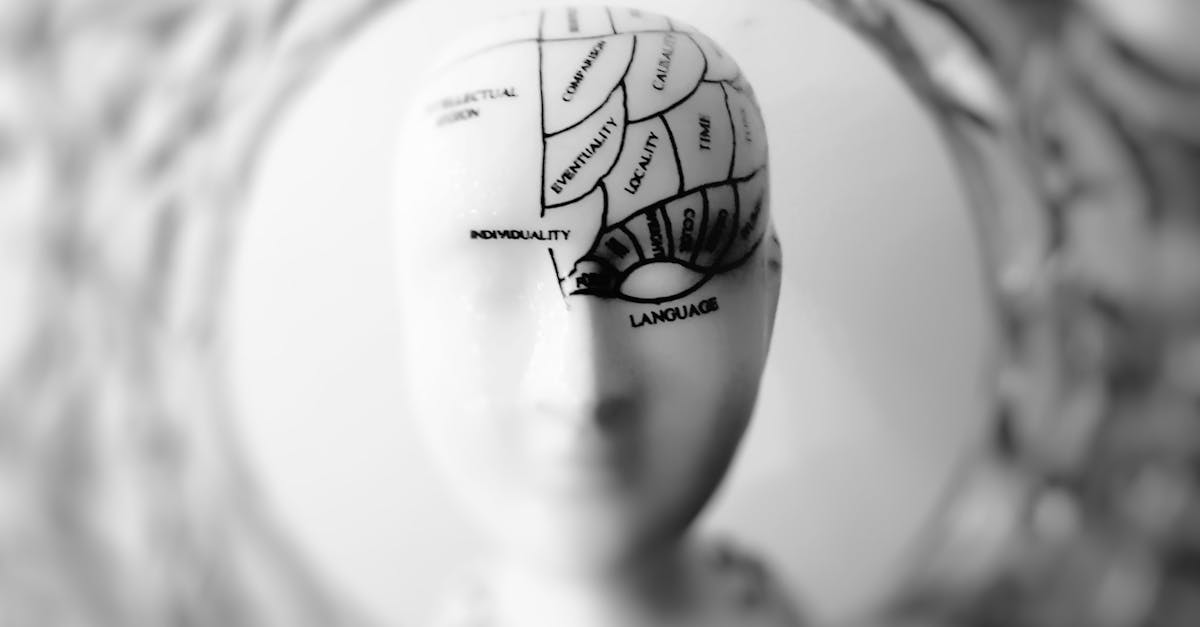
The Ancient Divide That Never Really Was
We often think of faith and science, spirit and mind, as separate domains—a modern invention. But dive into the sacred texts and practices of the world’s great traditions, and you’ll find they are deeply psychological. The Psalms are raw, unfiltered journals of despair and hope. Buddhist mindfulness is a precise toolkit for observing and calming the mind’s chaos. The Islamic concept of fitrah speaks to an innate, peaceful human nature that mental distress clouds over. These weren’t abstract theological concepts; they were survival guides for the human psyche.
Here’s what most people miss: these traditions didn’t pathologize human emotion. They normalized the struggle. Consider the lament. An entire genre of prayer dedicated to crying out in pain, doubt, and anger. Where’s the modern equivalent? We scroll through curated highlight reels of others’ lives while silencing our own inner lament, thinking it’s a sign of spiritual failure. Ancient wisdom gives us permission to bring our broken pieces to the altar.
Three Timeless Practices for a Modern Mind
So how do we translate this? It’s not about throwing out therapy or medication. It’s about integrating spiritual disciplines that have, for millennia, cultivated mental resilience. Think of them as complementary practices for soul and synapse.
- Sabbath as Sacred Boundary-Setting: We burn out because we’ve forgotten how to stop. The ancient practice of Sabbath isn’t just a religious rule; it’s a radical act of mental health hygiene. It’s a 24-hour period where your worth is not tied to your productivity. It’s a boundary against the tyranny of the urgent. I’ve found that intentionally unplugging—not just from work, but from the news cycle and social media’s dopamine hits—creates space for my nervous system to reset. It’s a weekly declaration that I am a human being, not a human doing.
- Confession & Community as Cognitive Relief: Holding onto shame, regret, and secret pain is a heavy cognitive load. The practice of confession—whether in a formal rite, a trusted circle, or through journaling—is like defragmenting a hard drive. It externalizes the internal chaos. You speak it, you hear it, and in the hearing, its power often diminishes. This pairs perfectly with the therapeutic concept of “unburdening.” You are not meant to carry it all alone. The ancient wisdom of community (sangha, ummah, koinonia) is a built-in support system, a check against the isolation that fuels so much mental illness.

- Mindful Prayer & Meditation as Neural Training: When we reduce prayer to a spiritual shopping list, we miss its profound psychological effect. Contemplative prayer, centering prayer, or the repetition of a mantra or prayer word is essentially focus training. It’s gently returning your attention from the spiraling “what-ifs” to a single, grounding point. Neuroscience shows this practice strengthens the prefrontal cortex (the brain’s CEO) and dampens the amygdala (the fear center). The ancients were doing brain plasticity exercises long before we had the MRI to prove it.
When the Stigma Comes from Inside the House
The hardest stigma to break is often the one we’ve internalized from our own faith traditions. We believe the lie that our mental health struggle is a spiritual deficit. This is where we must reclaim the narrative.
The prophet Elijah, after his greatest spiritual victory, fled into the desert, prayed to die, and slept under a broom tree. God’s response? He didn’t rebuke him. He sent an angel to feed him and let him sleep more. Only then did He speak. The divine prescription was rest and nourishment—basic mental and physical health care—before any further spiritual direction. That story alone should shatter the stigma.
Building Your Own Integrated Toolkit
You don’t have to choose. You can have a therapist and a pastor. You can take prescribed medication and partake in communion. You can practice mindfulness and pray without ceasing. The goal is integrated wellness.
Start small. Reframe your prayer: Instead of only asking, try 10 minutes of silent, listening prayer. Just sit. Breathe. Notice your thoughts without judgment and gently return to your breath. That’s it. Audit your community: Are you in relationships where you can say “I’m not okay” without fear of a simplistic spiritual fix? If not, seek one person or group where you can.
- Honor the body: Ancient fasting and feasting traditions remind us our mental state is tied to our physical one. Prioritize sleep, move your body, notice how food affects your mood. Spirituality is incarnational.
The journey toward mental wellness isn’t a departure from faith; it can be its deepest expression. It’s the courageous work of tending to the mind and spirit God gave you. Our ancient traditions aren’t relics to be venerated from a distance. They are field manuals, filled with time-tested wisdom for navigating the wilderness of our own minds. It’s time we opened them up, not instead of modern science, but in conversation with it. The path to peace isn’t about silencing one voice to hear the other. It’s about listening to the harmony they can create together.
What’s one ancient practice you can experiment with this week to bring a little more peace to your modern mind?





