
I was scrolling through my phone on the subway last week, a familiar ritual in the dead space between stops. My thumb moved on autopilot: Instagram, a quick email check, a news headline that made me sigh. Then, a notification popped up. It was a calendar reminder I’d set months ago: “Mom’s birthday – call her.”
For a second, I hesitated. I could just send a text. A funny GIF. A heartfelt message in the family group chat. It would be faster, easier, and she’d still know I was thinking of her. But something in me pushed back. I tapped her contact and pressed “call.”
The sound of her voice, the little pauses, the unplanned stories that tumbled out—it was a ten-minute conversation that filled me up in a way a hundred heart emojis never could. I hung up feeling… connected. Actually connected. And it got me thinking: in an age where our primary mode of interaction is through algorithmically-curated feeds and digital avatars, where do we find that deeper, sacred sense of connection? Not just to each other, but to something bigger than ourselves?
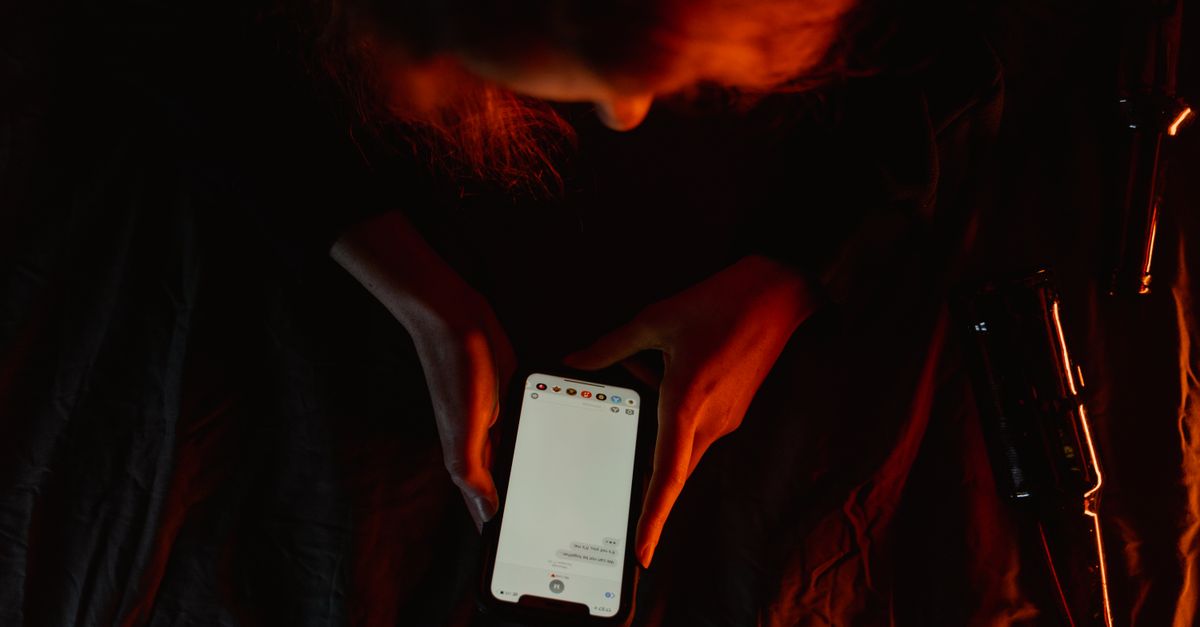
The Digital Cathedral: Is Your Feed Your New Congregation?
Let’s be honest, our phones have become modern-day confessionals, pulpits, and community halls. We scroll through a digital cathedral of sorts, absorbing curated wisdom from influencers, sharing our struggles in vulnerable posts, and finding “amen” in the form of likes and shares. There’s a real community to be found there, especially for those physically isolated or questioning.
But here’s what most people miss: the architecture of these spaces is designed for engagement, not necessarily for depth. The algorithm’s goal isn’t your spiritual fulfillment; it’s your attention. It feeds you content that triggers emotion—outrage, envy, inspiration—to keep you scrolling. It can create an illusion of intimacy without the messy, beautiful, and transformative work of real, sustained relationship.
So, is it all bad? Of course not. I’ve found profound threads of faith in online communities. The key is intentionality.
Sacred Pixels: Curating Your Digital Spirituality
You wouldn’t walk into just any physical space for quiet reflection. You’d choose a garden, a house of worship, a quiet corner of a library. We must learn to do the same online. This isn’t about rejecting technology; it’s about redeeming our digital habits.
Think of your attention as a form of prayer. What are you praying to? The god of comparison? The altar of busyness?
Here’s a practical way to start:
- Audit Your Inputs: Unfollow accounts that leave you feeling empty or anxious, even if they’re “spiritual” in name. Follow voices that challenge and nourish you in equal measure.
- Create Digital Sanctuaries: Use apps for sacred text readings, meditation timers, or prayer journals. Make them a launchpad for offline reflection, not the destination.
- Schedule Sacred Scrolling: Give yourself 10 minutes to intentionally engage with uplifting content, then close the app. Treat it like a short devotional, not a bottomless well.

The Un-Googleable Question: Holding Mystery in a World of Answers
This is the heart of it, isn’t it? We live in the age of the answer. Any question, from “how to fix a leaky faucet” to “the meaning of suffering,” is met with 4.7 billion search results in 0.48 seconds. But faith thrives in the soil of mystery, in the questions that don’t have clean, SEO-optimized answers.
The algorithm seeks to resolve tension immediately. Faith often asks us to dwell in it, to be comfortable with “I don’t know,” to trust in the unfolding.
When was the last time you sat with a truly un-answerable question without immediately reaching for your phone? The practice of sacred boredom—allowing your mind to wander without digital stimulus—is where some of the most profound inner connections spark. It’s in those quiet, un-curated moments that we might just hear the whisper we’ve been scrolling to find.
From Connection to Communion: The Essential Human Touch
A “like” is not a hug. A prayer hands emoji 🙏 is not the feeling of someone’s hand on your shoulder when you’re grieving. A livestreamed service is a lifeline, but it is not the same as singing in a room where the sound vibrates in your chest, or sharing silence with others.
Our faith and our humanity are incarnational. They are meant to be lived in bodies, in shared bread, in eye contact that holds pain without flinching. The digital world can point us toward communion, but it cannot be the communion itself.
This is the non-negotiable work: to use the online world to facilitate the offline one. That group chat that plans the actual coffee meetup. The podcast that inspires you to call an old friend and make amends. The online donation that translates into showing up at the soup kitchen.

Your Next Right Click: Practical Steps for a Hybrid Faith
So, what do we do? We become architects of a hybrid faith—one that acknowledges the reality of our digital age without losing the soul of sacred connection.
Designate Tech-Free Zones: The dinner table. The first 30 minutes of the morning. Your dedicated prayer or meditation space. Make these non-negotiable. Transform Consumption into Creation: Instead of only consuming spiritual content, create some. Write a real letter. Journal with a pen. Sing, even if you’re off-key. Creation is an act of faith that algorithms can’t replicate.
- Seek the “Third Space”: Find one activity that connects you to others and the tangible world. Gardening, volunteering, a book club, a hiking group. Let it be your anchor.





