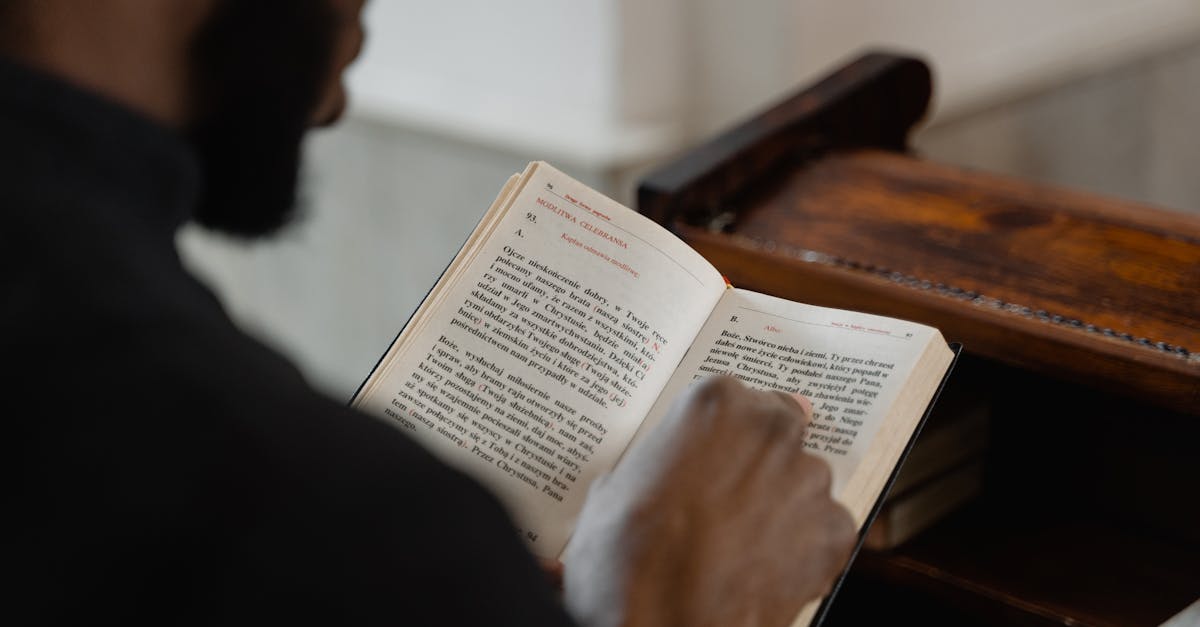
Let me tell you something that's been gnawing at me for months now. I was sitting in a small café after church last Sunday, and a friend — a devout woman who's been praying the rosary since she was seven — leaned across the table and asked me something that stopped me cold: "Do you think God can hear me if a machine is the one answering?"
That question hit different. Because here's the thing — we're not just living in the age of AI anymore. We're living in the age where faith and technology are sharing the same pew. And nobody handed us a manual for how to sit comfortably in both.
The Machine That Prays With You (And Why That's Weirdly Beautiful)
I've found that most conversations about AI and faith start with fear. The robot is coming for your soul. The algorithm is replacing your pastor. Your prayer life is being outsourced to silicon.
But let's be honest — that's the lazy take.
What I'm actually seeing in my own circles is something far more fascinating. Believers aren't running from AI. They're wrestling with it. And that wrestling match is producing some genuinely profound questions that no tech CEO in Silicon Valley has an answer for.
Take the prayer apps. There are now AI-driven apps that generate devotional reflections, suggest scripture based on your mood, and even "pray with you" in conversational tones. Some people find this comforting. Others find it borderline blasphemous.
I get both reactions. I really do.
But here's what most people miss: the question isn't whether AI can pray. It's whether YOU can pray while using AI. The tool isn't the spiritual problem. The heart behind the tool is.
When Your Pastor Is a Chatbot and Your Doubt Is Real
Okay, let's talk about the elephant in the sanctuary.
People are asking AI spiritual questions. Lots of them. Late at night. When they're too ashamed to call their pastor. When the church doors are locked. When they're sitting in a parked car outside a Walmart wondering if God even exists anymore.
I've done this myself. Not because I lost my faith — but because I wanted to test the waters. I asked a popular AI model, "Why does a good God allow suffering?" It gave me a theological answer that was technically accurate, emotionally sterile, and completely missing the point.
Because here's the truth: AI can give you an answer. It cannot give you a witness.
Faith has never been about information transfer. It's about transformation through relationship. A chatbot can quote Romans 8:28. It cannot sit with you in your grief and mean it.
That distinction matters more than ever.
The 4 Things Believers Are Actually Doing With AI Right Now
I've been paying attention. And I've noticed believers are splitting into four rough camps when it comes to AI. See if you recognize yourself in any of these:
- The Cautious Disciple — Uses AI for practical stuff (sermon prep, study notes, translation) but draws a hard line at anything devotional. "This is a tool, not a spiritual guide."
- The Curious Seeker — Asks AI the big questions, tests its limits, and treats it like a sparring partner for their faith. Not threatened. Not fully trusting either.
- The Enthusiastic Adopter — Embraces AI as a gift from God, like electricity or the printing press. Believes resisting it is resisting progress.
- The Skeptical Watchman — Warns that AI is a Trojan horse for secular ideology and spiritual deception. Sees the whole thing as a test of faithfulness.
The Cautious Disciple might miss out on genuine insight. The Enthusiastic Adopter might swallow something they shouldn't. The Watchman might be right about the dangers but wrong about the posture. And the Seeker? Well, the Seeker is probably where most of us actually live.
The Trust Problem Nobody Wants to Name
Let me get real with you for a second.
The deepest issue with faith in the age of AI isn't whether the technology is good or evil. It's about trust. Where do you place it?
We trust AI with our schedules, our finances, our health questions, and now — increasingly — our spiritual searches. But trust is a sacred currency. You can't just hand it to whatever algorithm shows up with a friendly interface.
I've found that the believers who navigate this best are the ones who've gotten crystal clear on one thing: AI is a mirror, not an oracle. It reflects back what we put into it. If we feed it shallow questions, we get shallow answers. If we bring it our genuine wrestling, it can actually help us articulate what we already sense God is doing in us.
But the moment we start treating it like a divine source? That's when we've crossed a line that no firmware update can fix.

Faith Didn't Survive the Printing Press By Being Afraid of It
Here's a little historical perspective that might calm some nerves.
When the printing press was invented, plenty of religious leaders panicked. If everyone could read the Bible for themselves, wouldn't that destroy the authority of the church? Wouldn't it lead to chaos, heresy, and a thousand competing interpretations?
Well... it kind of did. And it also sparked the Reformation, spread literacy, and put scripture in the hands of ordinary people in ways that transformed the world.
Every major technology has been a faith test. The radio. The television. The internet. And yes, AI.
The question has never been whether the technology is coming. It's already here. The question is whether believers will show up to the conversation with wisdom, humility, and a spine.
I believe we will. I've seen too many thoughtful, faithful people wrestling honestly with these questions to believe otherwise.
So What Do We Actually Do Now?
Let me leave you with something practical instead of just philosophical.
Pray before you prompt. Seriously. If you're going to bring your spiritual questions to a machine, bring them to God first. Let the AI be a tool in your hands, not a replacement for your knees.
Stay in community. The algorithm doesn't know your name. Your small group does. Your pastor does. Don't let convenience replace incarnation.
Test everything. Paul told the Thessalonians to test everything and hold onto what's good. That instruction didn't expire when the servers went live.
Be the witness AI can never be. You can sit with someone in their pain. You can cry with them. You can show up at their hospital room at 2 AM. No model, no matter how advanced, can do that.
The age of AI isn't the end of faith. It might just be the moment faith gets more real than it's been in decades.
Because when the easy answers are automated, the hard questions get personal again.
And that's exactly where God has always done His best work.





