
Faith is more than just a belief system; it profoundly influences daily decisions and lifestyles. From personal choices to community interactions, the role of faith can be seen in various facets of life. This article explores how faith shapes individual actions and societal norms, highlighting its importance in fostering a sense of purpose and connection.
Through examining specific examples and insights, readers will understand the vital role faith plays in navigating daily life.
- Faith influences personal decision-making and lifestyle choices.
- Community engagement is often driven by shared beliefs.
- Religious practices can foster resilience in challenging times.
- Faith-based organizations play a critical role in societal support.
- Understanding faith's influence can enhance interfaith dialogue.
How Does Faith Shape Daily Decisions?
Faith serves as a guiding principle in the daily lives of many individuals, impacting their choices in various ways. For instance, individuals often turn to their faith when faced with moral dilemmas or significant life decisions, seeking guidance through prayer, scripture, or community counsel.
Influence on Choices
For example, a study revealed that 68% of individuals who actively engage in their faith report making choices that align with their values and beliefs. This alignment can manifest in different areas such as dietary habits, ethical business practices, and family dynamics.
- Individuals may choose to volunteer, reflecting their faith in action.
- Faith can dictate how one approaches work-life balance.
- Many rely on their beliefs for coping strategies during crises.
The Role of Faith in Community Engagement
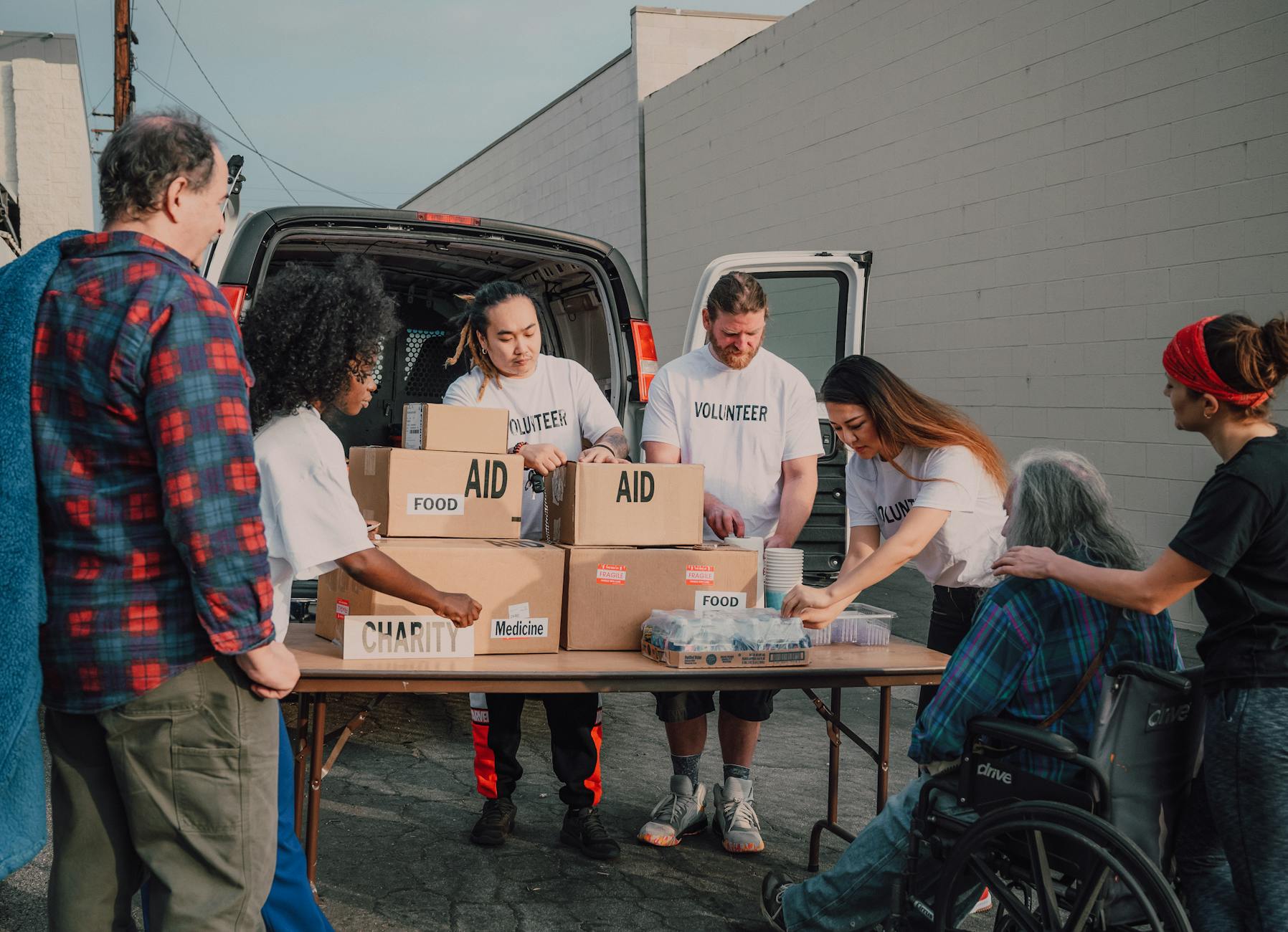
Faith often acts as a catalyst for community engagement, bringing people together to work towards common goals. Many religious organizations organize outreach programs, charity events, and social justice initiatives that reflect their core values.
Examples of Community Impact
For instance, churches and mosques frequently host food drives and fundraisers to support local families in need. According to a recent report, faith-based organizations contribute over $100 billion annually to charitable causes in the United States alone.
- Faith fosters connections among diverse groups.
- Religious institutions often address social issues through advocacy.
- Communities united by faith often exhibit higher levels of trust and cooperation.
Faith and Personal Resilience
In times of adversity, faith can provide individuals with strength and resilience. Many people find comfort in their beliefs, which can help them navigate life's challenges, including loss, illness, and uncertainty.
Support Systems Through Faith
Research shows that individuals who engage in regular spiritual practices report lower levels of stress and anxiety. For instance, a survey conducted among patients in recovery found that those who relied on their faith experienced greater emotional stability and support from their faith communities.
- Faith can provide a sense of belonging during tough times.
- Spiritual practices often promote mental well-being.
- Support groups centered around faith can foster healing.
Interfaith Understanding and Dialogue
As societies become more diverse, the role of faith in fostering understanding and dialogue among different groups becomes increasingly important. Engaging in interfaith dialogue can help bridge gaps and promote mutual respect.
Building Bridges Through Faith
For example, local interfaith councils often host events where members from various faith traditions come together to discuss common values and collaborate on community projects. These initiatives not only enhance relationships but also create a more inclusive environment.
- Interfaith initiatives can reduce stereotypes and misconceptions.
- Shared community service projects foster unity.
- Dialogue promotes a greater understanding of different beliefs.
Frequently Asked Questions
How does faith influence daily decision-making?
Faith guides individuals in making decisions that align with their values, often providing clarity and direction during moral dilemmas.
What role does community play in faith?
Community is central to faith, as it fosters connections and collective action, often leading to charitable initiatives and support systems.

How can faith support resilience during tough times?
Faith can offer emotional strength and coping strategies, helping individuals navigate challenges with a sense of hope and belonging.
Why is interfaith dialogue important?
Interfaith dialogue promotes understanding and respect among diverse faiths, fostering cooperation and unity in communities.
Conclusion
Faith plays a vital role in shaping daily life, influencing decisions, and fostering community engagement. It serves as a compass for individuals navigating moral choices and provides resilience in challenging times. As we engage with our beliefs, we can better understand ourselves and connect with others, creating a more compassionate society.
Recognizing the impact of faith on daily life encourages us to appreciate the diverse ways individuals navigate their beliefs and the positive contributions of faith communities to society.


