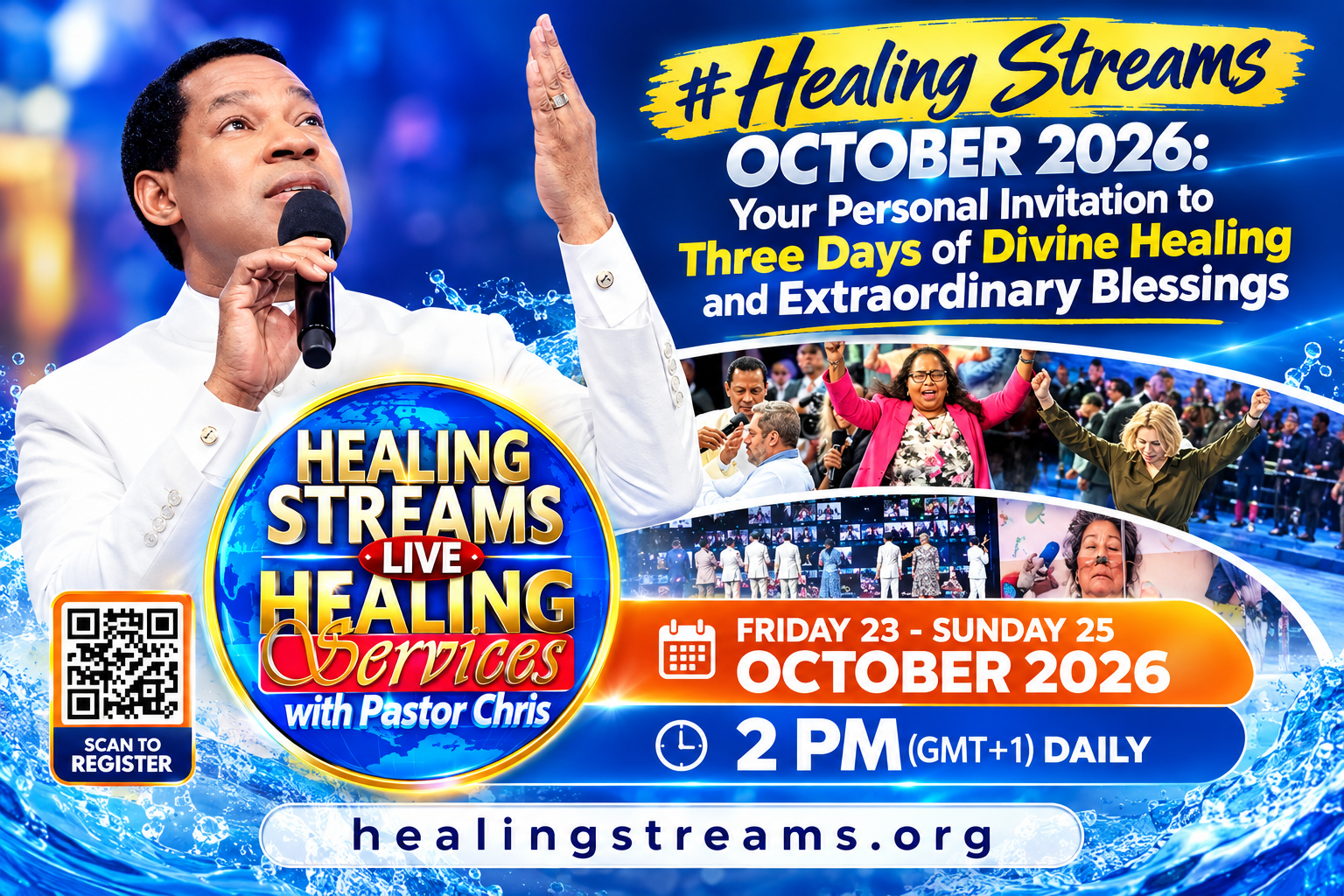
The intersection of faith and technology is reshaping how communities connect, engage, and grow. As digital tools become integral to everyday life, faith communities are embracing these innovations to enhance outreach efforts and foster deeper engagement with their members. This article will explore the current trends in faith and technology, highlighting specific examples of how religious organizations are adopting tech solutions to thrive in a digital world.
From social media outreach to virtual worship services, the ways in which faith communities are utilizing technology are not only fascinating but also essential for their continued relevance and impact.
- Faith communities are leveraging social media for real-time engagement.
- Virtual worship has expanded accessibility for congregations worldwide.
- Mobile apps are enhancing community-building and resource sharing.
- Digital tools help faith organizations reach younger audiences effectively.
- Tech innovations support fundraising and outreach initiatives.
- Data analytics are driving strategic decisions within faith organizations.
How Are Faith Communities Using Social Media for Engagement?
Social media has become a powerful tool for faith communities, allowing them to engage members in real time and reach wider audiences. Many churches and religious organizations are utilizing platforms like Facebook, Instagram, and Twitter to share messages, host live events, and foster community interaction.
Real-Time Engagement
For example, the Elevation Church, based in North Carolina, has effectively used Facebook Live to broadcast its services, attracting thousands of viewers from around the globe. This not only increases attendance but also creates a sense of community among viewers who can interact through comments and shares.
- Real-time prayer requests
- Daily inspirational posts
- Community events announcements
The Rise of Virtual Worship Services
Virtual worship services have surged in popularity, especially during the COVID-19 pandemic. Faith communities quickly adapted to provide online services through platforms like Zoom, YouTube, and various church-specific apps, ensuring that worship could continue despite physical distancing mandates.

Accessibility for All
For instance, the Church of the Highlands in Alabama transitioned to virtual services, allowing those unable to attend in person, such as the elderly or those with disabilities, to participate fully. This shift has not only maintained existing congregations but has also attracted new members who might not have otherwise engaged with the church.
- Increased global participation
- Opportunities for online fellowship
- Enhanced accessibility for diverse populations
Mobile Apps as Community Builders
Many faith organizations are developing mobile applications to foster community building and streamline communication among members. These apps often feature resources like sermon notes, event calendars, and donation options, making it easier for congregants to stay connected.
Example of Effective Use
The Life.Church app is a prime example, offering users access to a library of sermons, daily devotionals, and a community chat feature. This kind of engagement not only keeps members informed but also strengthens their connection to the church's mission.
- Instant access to resources
- Community chat features
- Streamlined donation processes
Leveraging Technology for Outreach and Fundraising
Technology is also playing a crucial role in outreach and fundraising efforts for faith communities. From crowdfunding platforms to digital donation tools, technology is making it easier than ever for organizations to connect with supporters and secure funding.
Innovative Fundraising Strategies
For instance, the Catholic Church has embraced platforms like GiveCentral, which allows parishioners to make donations online, set up recurring giving, and even contribute to specific campaigns. This not only simplifies the donation process but also attracts younger, tech-savvy donors who prefer digital transactions.
- Online donation platforms
- Social media fundraising campaigns
- Text-to-give options
Frequently Asked Questions
How are faith communities using technology for outreach?
Faith communities are using technology for outreach by leveraging social media, virtual worship services, and mobile apps to engage members and attract new audiences.
What are the benefits of virtual worship services?
Virtual worship services increase accessibility, allowing individuals who cannot attend in person to participate fully and engage with the community.

How do mobile apps enhance community engagement in faith organizations?
Mobile apps enhance community engagement by providing resources, facilitating communication, and offering instant access to church events and services.
What role does technology play in fundraising for churches?
Technology facilitates fundraising for churches through online donation platforms, crowdfunding, and social media campaigns, enabling easier contributions from members.
Conclusion
As faith communities navigate the digital landscape, it is clear that technology is not just a trend but a vital component of outreach and engagement strategies. By embracing these tools, religious organizations can connect with their members more effectively, foster community, and expand their reach in the ever-evolving digital age.
Incorporating technology into faith practices is crucial for maintaining relevance and ensuring that the mission of faith communities continues to thrive in the modern world.