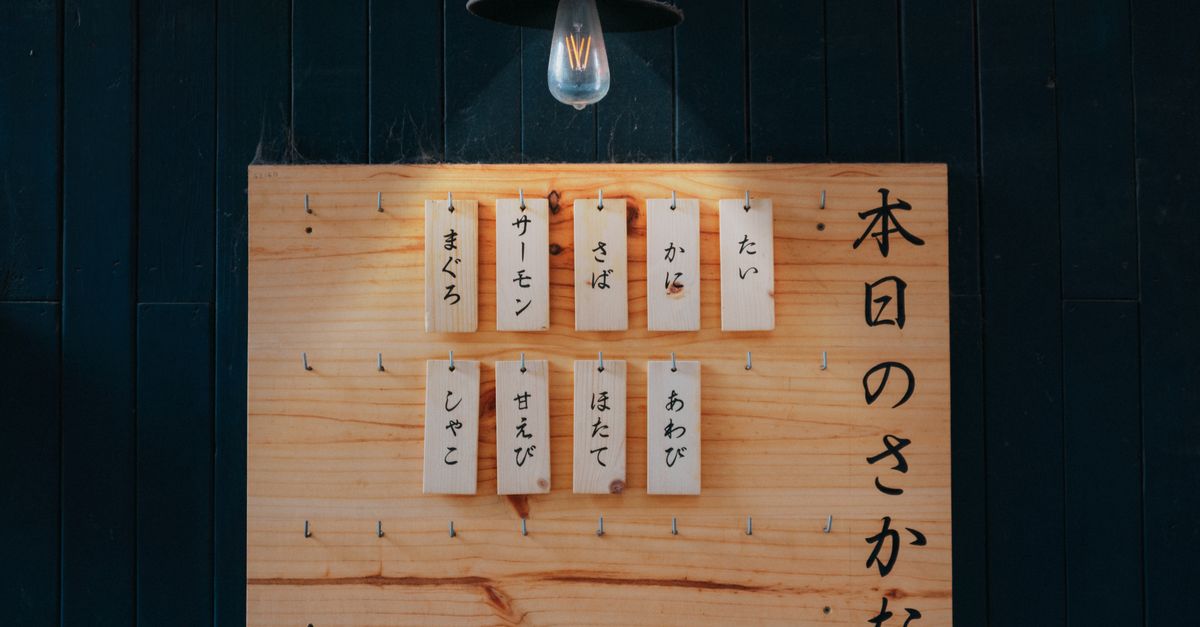
Across the globe, various cultural celebrations are taking place, each showcasing the unique heritage and traditions of diverse communities. These events not only bring people together but also foster a greater understanding and appreciation for different cultures. In this article, we explore the significance of these cultural celebrations, highlighting their role in promoting unity and enriching our global society.
From vibrant festivals to solemn rituals, each celebration offers a glimpse into the customs and practices that define a community's identity. Understanding these celebrations helps us appreciate the rich tapestry of human culture.
- Cultural celebrations enhance community bonds and social cohesion.
- They provide an opportunity for education and cultural exchange.
- Such events often include traditional music, dance, and food.
- Participation in local celebrations encourages tourism and economic growth.
- These celebrations preserve historical traditions for future generations.
What Are Cultural Celebrations and Why Do They Matter?
Cultural celebrations are events that honor the traditions and customs of a particular community or group. They serve as a platform for expressing identity, preserving heritage, and fostering community spirit. These events often include a blend of local customs, music, art, and cuisine, making them vibrant expressions of culture.
Examples of Cultural Celebrations
A prime example is the Chinese New Year, which is celebrated worldwide with fireworks, dragon dances, and family gatherings. This festival signifies the start of a new year and is steeped in traditions that date back thousands of years.
- Diwali, the Festival of Lights in India, symbolizes the victory of light over darkness.
- Oktoberfest in Germany celebrates beer and Bavarian culture with music, dancing, and traditional foods.
- Holi, the festival of colors in India, marks the arrival of spring and the triumph of good over evil.
How Cultural Celebrations Foster Community and Unity
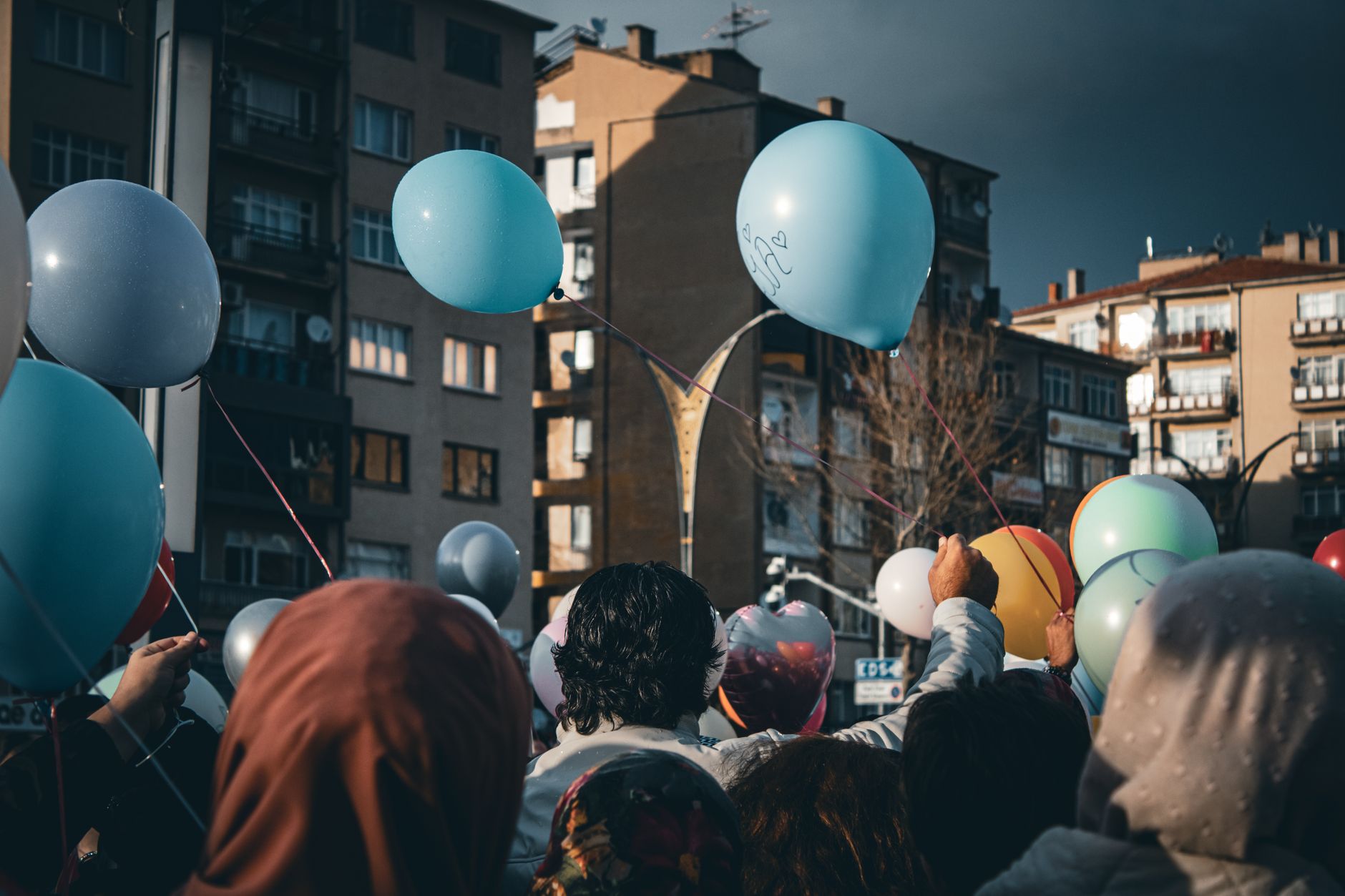
Cultural celebrations play a crucial role in bringing communities together. They create a sense of belonging and provide opportunities for individuals to connect over shared traditions and experiences. These events can serve as a bridge between different cultural groups, promoting understanding and tolerance.
Building Community Through Celebrations
For instance, the Carnaval in Brazil is not just a festival; it is a powerful expression of Brazilian culture that invites participation from both locals and tourists. This inclusive spirit fosters community pride and encourages collaboration among diverse groups.
- Encourages local participation and volunteerism.
- Promotes intergenerational dialogue and sharing of traditions.
- Strengthens local economies through tourism and commerce.
The Economic and Educational Impact of Cultural Celebrations
Cultural celebrations are not only significant for social cohesion but also have substantial economic benefits. They attract tourists, which boosts local economies, and provide educational opportunities about different cultures and traditions.
Economic Contributions
Events like the Edinburgh Festival Fringe in Scotland generate millions in revenue, showcasing local talent while attracting visitors from around the world. This influx of visitors supports local businesses and creates jobs.
- Festivals often lead to increased sales for local artisans and vendors.
- Educational workshops during celebrations enhance knowledge about cultural practices.
- Local governments may invest in infrastructure improvements to support these events.
Preserving Heritage Through Cultural Celebrations
Many cultural celebrations are essential for the preservation of heritage and identity. They provide a platform for passing down traditions to future generations, ensuring that cultural practices are not lost over time.
Tradition and Innovation
An example of this is the Powwow, a Native American gathering that celebrates cultural identity through dance, music, and sharing of stories. These events are crucial for maintaining cultural ties and educating younger generations about their heritage.
- Encourages cultural pride and awareness among youth.
- Facilitates the documentation and preservation of traditional practices.
- Offers a venue for cultural exchange and innovation.
Frequently Asked Questions
What is the significance of cultural celebrations?
Cultural celebrations are significant as they honor traditions, foster community spirit, and promote understanding among diverse groups.
How do cultural celebrations impact local economies?
These celebrations boost local economies by attracting tourists, increasing sales for vendors, and creating jobs.

Can cultural celebrations help preserve traditions?
Yes, cultural celebrations play a vital role in preserving traditions by passing them down to future generations and promoting cultural pride.
What are some examples of global cultural celebrations?
Examples include Chinese New Year, Diwali, Oktoberfest, and Holi, each showcasing unique cultural practices.
Conclusion
In conclusion, cultural celebrations are essential to the fabric of societies worldwide. They not only celebrate the rich diversity of traditions but also foster community, promote understanding, and contribute to economic growth. As we continue to embrace and participate in these events, we strengthen our global community and ensure that these vibrant traditions thrive for generations to come.
Participating in cultural celebrations enriches our lives and fosters a deeper appreciation for the world's diverse cultures.
Sources & Further Reading
- National Geographic on Cultural Festivals
- UNESCO's Intangible Cultural Heritage
- Smithsonian Folklife Festival