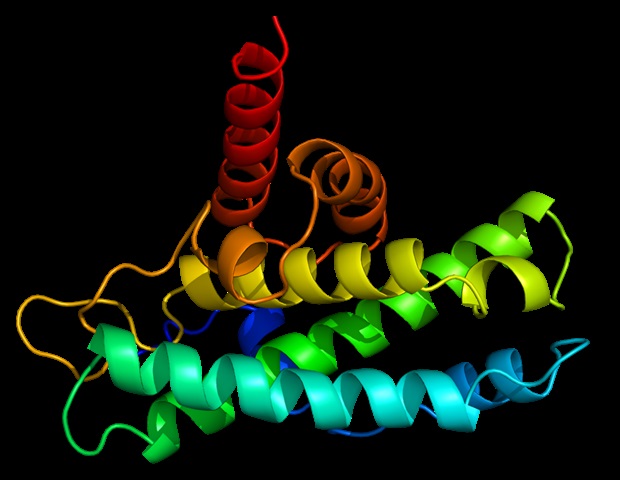
News-Medical reported on Thursday that a modified zinc finger scaffold was found to suppress microglial activation in the mouse brain. The finding concerns microglia, the immune cells of the central nervous system, and their activity in brain tissue.
The report was carried alongside separate coverage from BigGo Finance stating that South Korea's KAIST has confirmed a zinc finger protein reduces the buildup of Alzheimer's toxic protein by 53 percent. Both items point to zinc finger-based approaches as an area of active research interest.
According to News-Medical, the work described involves a scaffold built on zinc finger structures that has been modified, and the observed effect was a reduction in microglial activation in mice. The available summary does not specify the research team, the institution behind the mouse study, or the experimental method used.
The KAIST result, as reported by BigGo Finance, concerns a different measure: the accumulation of a toxic protein associated with Alzheimer's disease, which the outlet says was cut by 53 percent. The summary does not describe how that figure was measured or in what model.
Taken together, the two reports sit within broader efforts to use zinc finger proteins and related engineered scaffolds as research tools or potential therapeutic candidates in neurodegenerative disease. Neither report, as summarized, establishes a treatment for human patients.
Watch for the underlying studies to be published in full, which would clarify the research groups involved, the experimental designs, and whether the mouse and protein findings can be reproduced.





